
A computerized embroidery machine turns a spare corner into a production line, whether that means monogramming baby blankets on weekends or running cap orders out of a garage studio. The catch is that the category splits sharply: beginner-friendly single-needle units like the Poolin and Brother models sit a world away from the multi-needle Smartstitch workhorses built for hats and bulk runs. Choosing wrong costs you either stalled projects or money spent on capacity you’ll never touch. This guide sorts the field by real hoop sizes, needle counts, and workflow features so you can match the machine to the actual work in front of you.
The Shortlist At A Glance

PooLin EOC06 Computerized Embroidery Machine, 11″x7.9″

Poolin EOC05 Embroidery Machine for Beginners

Smartstitch S-1001 Upgraded Embroidery Machine, 10 Needles
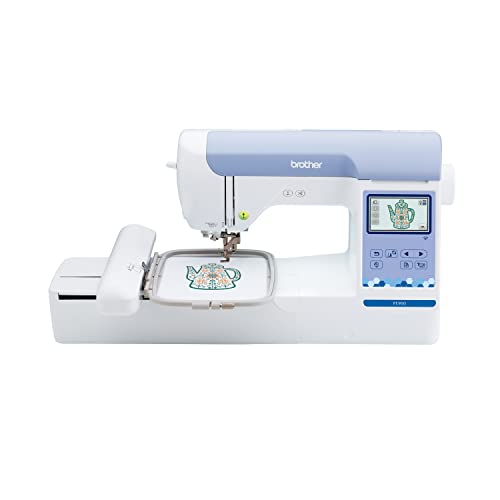
Brother PE900 Wireless Embroidery Machine with WLAN

Smartstitch S-1501 Commercial Embroidery Machine, 15 Needles
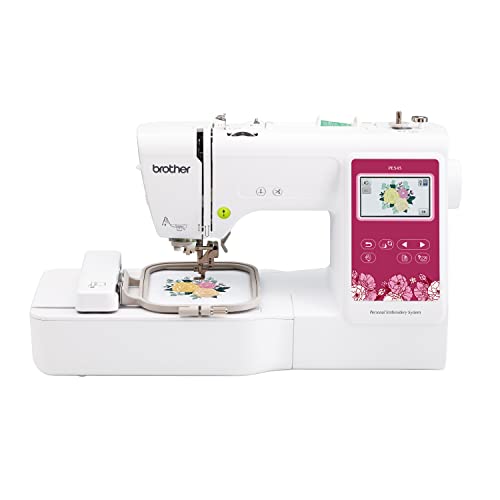
Brother PE545 Wireless Embroidery Machine 4×4 Hoop LCD

Smartstitch S-1201 Plus Embroidery Machine, 12 Needles
A Breakdown Of The Leading Choices
The headline here is hoop choice: three included frames spanning 11 by 7.9 inches down to 5.5 by 5.5 inches let you scale between jacket-back designs and small chest logos without buying extra hardware. The 7-inch touchscreen handles design selection directly on the machine, which matters once you’re mid-project with thread-covered hands.
Wireless and USB transfer cover both sides of the design-loading habit, so you can pull files off a laptop or sideload them offline. Compared with the smaller Poolin EOC05 below, this model trades starter-kit handholding for raw workspace, and that’s the right trade for anyone past their first dozen projects.
Features That Help
- Three hoop sizes mean one purchase covers everything from tote bags to back panels.
- The large 11 by 7.9-inch field fits most shirt-front designs in a single hooping, saving repositioning time.
- Touchscreen navigation keeps setup quick even during long sessions.
- Both wireless and USB file paths fit whatever design workflow you already use.
Points To Note
- It’s embroidery-only, so garment construction still needs a separate sewing machine.
- New owners commonly report spending their first sessions learning tension and hooping basics, so budget patience for week one.
Feature Snapshot
Who It Suits Best
Hobbyists who’ve outgrown a 4×4 starter machine and want room to grow without jumping into commercial territory.
Swap It Out When
Total newcomers may prefer the Poolin EOC05, whose bundled hoops and starter kit flatten the early learning curve.
Everything about the EOC05 reads as a deliberate first machine. The 4 by 9.25-inch embroidery area covers shirts, hoodies, bags, and gifts comfortably while staying physically manageable on a desk or craft table, and the bundled second hoop plus starter kit means day one doesn’t require extra shopping.
The 7-inch touchscreen mirrors its bigger sibling’s interface, so skills learned here carry forward if you upgrade later. WiFi and USB loading give you the same two-lane design access as the EOC06, just in a smaller footprint that suits apartment corners and shared craft rooms.
What Helps Most
- Two included hoops plus a starter kit remove the usual first-week accessory scramble.
- The tall 4 by 9.25-inch frame suits sleeves, cuffs, and narrow placements that square hoops struggle with.
- Touchscreen menus keep the interface approachable for someone who has never threaded an embroidery machine.
Worth Noting
- No sewing function, so it pairs with rather than replaces a regular machine.
- Larger all-over designs will need splitting or rehooping at this width, which adds finishing time.
Made For
Home DIY users starting embroidery from zero who want a forgiving, well-supported entry point.
Reach For A Different Pick When
You already know your way around hooping and want the bigger canvas of the PooLin EOC06 instead.
Ten needles change the math entirely. Instead of stopping to swap thread every color change, the S-1001 cycles through ten spools automatically, which is why multi-color logo runs that eat an evening on a single-needle unit finish in a fraction of the time here. The 1200 SPM maximum speed pushes that further.
Automation does the heavy lifting: automatic trimming, color changes, self-lubrication, and thread-break detection mean fewer mid-run rescues. Laser positioning takes the guesswork out of placement, and newly added physical buttons give you tactile control alongside the 7-inch screen. Flat goods, hats, and tees are all in scope thanks to the 9.5 by 14.2-inch field.
Real-World Strengths
- Automatic color changing across ten needles eliminates constant rethreading during multicolor jobs.
- Thread-break detection catches snapped threads before they ruin a run.
- Laser positioning speeds up accurate placement on caps and garments.
- Self-lubrication trims routine maintenance compared with older industrial designs.
Things To Consider
- Multi-needle threading takes practice, and owners often describe the initial ten-spool setup as the steepest part of the curve.
- Its footprint and weight demand a dedicated bench rather than a folding craft table.
Quick Facts
Right Fit For
Sellers taking paid orders who need commercial throughput but lack space for a full-size industrial head.
A Better Fit Elsewhere
Hobby-only users will find the Brother PE900 simpler and better matched to weekend pacing.
Brother’s reputation for approachable interfaces shows here. The PE900 offers a 5 by 7-inch embroidery field, noticeably larger than the PE545’s 4×4 frame, so monograms and medium motifs fit without shrinking. Built-in designs cover the common cases, and importing your own files keeps the library open-ended.
Wireless connectivity via WLAN is the quiet convenience: send a design from a compatible device and skip the USB shuffle entirely. In our view, this sits in the sweet spot of the list, more capable than the compact Brother below yet far less demanding than any of the Smartstitch multi-needle units.
Real Benefits
- The 5 by 7-inch field accommodates larger projects than entry 4×4 machines allow.
- Wireless design transfer cuts cable clutter and file-juggling steps.
- Built-in design selection gets beginners stitching within minutes of unboxing.
Small Caveats
- Single-needle operation means manual thread changes on every color switch in a multicolor design.
- Owners commonly note that lint buildup around the bobbin area needs regular cleaning to keep stitches crisp.
Core Details
The Right Fit
Dedicated home crafters making regular personalized gifts who want reliability over raw capacity.
Consider Something Else When
Order volume justifies automation, in which case the Smartstitch S-1001’s auto color changes pay for themselves quickly.
This is the ceiling of the shortlist. Fifteen needles, a 14 by 20-inch embroidery area, and a wide-angle cap system covering 270 degrees put jackets-back, full-cap wraps, and oversized flat goods all inside one machine’s range. The 12-inch touchscreen gives you serious real estate for managing complex jobs.
WiFi support, laser positioning, automatic color change, and a smart control system round out a spec sheet aimed squarely at revenue work. Where the S-1001 suits a side hustle, this is the machine for someone turning orders away. Fair warning: it needs floor space, stable power, and an operator comfortable with industrial-style maintenance routines.
Benefits That Matter
- The 270-degree wide-angle cap system handles full-wrap hat embroidery that smaller frames can’t reach.
- 15 needles minimize downtime on dense multicolor commercial designs.
- 14 by 20 inches of workspace fits jacket backs and large flat panels in one pass.
- Laser positioning keeps placement consistent across repeat orders.
Factors To Consider
- The size and weight call for a permanent workstation, not a multipurpose room.
- Owners report that mastering cap hooping takes several practice pieces before results look sellable.
The Numbers That Matter
Who Should Grab It
Small shop owners fulfilling daily orders across caps, flats, and garments who need genuine production capability.
Another Choice May Suit
Anyone still validating demand should start with the Smartstitch S-1201 Plus, which offers much of this capability in a lighter package.
Smallest footprint on the list, smallest commitment too. The PE545 works within a 4 by 4-inch embroidery area, which sounds limiting until you remember that monograms, kids’ apparel accents, patches, and quilt labels all live comfortably in that space. An LCD display guides design selection, and wireless connectivity lets you send files without cables.
The built-in library includes 135 designs, ten frame patterns, and ten font styles for lettering and monogramming, enough variety that many casual users rarely import anything at all. Compared with the Poolin EOC05, this trades hoop versatility and bundled extras for Brother’s famously straightforward menu system.
The Value In It
- 135 built-in designs plus ten fonts cover most personalization needs out of the box.
- Wireless transfer keeps the workflow tidy on a crowded desk.
- The compact body stores easily in a closet or on a shelf between sessions.
Less Ideal Details
- The 4×4 hoop rules out jacket backs, large logos, and most hat fronts.
- Single-needle threading means hands-on color changes throughout longer designs.
Whose Shelf It Belongs On
Casual monogrammers and gift-makers working mostly on small items in limited space.
Look Elsewhere When
Shirt-front and hoodie-scale designs are your norm, since the Brother PE900’s 5 by 7-inch field removes that ceiling.
Running a business from home changes what matters, and noise tops that list when the machine shares walls with family or neighbors. The S-1201 Plus uses a direct vertical guiding system aimed at steadier operation and lower sound levels, which owners frequently highlight as the reason they chose it over louder industrial heads.
Twelve needles and a 12 by 16-inch field handle flat goods, hats, and tees at up to 1200 SPM, with a 10-inch touchscreen and WiFi keeping job management modern. Against the S-1501 above, you give up three needles and four inches of width but gain a machine that behaves better in a living environment.
Advantages To Know
- The vertical guiding system targets quieter, more stable runs suitable for in-home operation.
- 12 needles support automated color changes on demanding multicolor orders.
- The 12 by 16-inch area covers most commercial garment and cap work.
- WiFi plus a 10-inch touchscreen streamline file handling and monitoring.
Details To Watch
- Twelve spools still require careful initial threading, and rushing that step is the most commonly reported early frustration.
- Very large jacket-back designs exceed this frame, pushing you toward the S-1501.
Product At A Glance
Built With In Mind
Home-based sellers who need multi-needle productivity without exiling the machine to a garage.
Not Your Match When
Budget is the deciding factor, because the PooLin EOC06 delivers hobby-scale results at a fraction of the investment.
What Matters Most Before You Buy
Hoop Size Decides Your Projects
The embroidery area is the hard limit on what a single pass can stitch. A 4×4 frame covers monograms and patches, while jacket backs and full shirt fronts need 11 inches or more of width. Measure the actual items you plan to decorate before falling for any other feature.
Single Needle Or Multi Needle
Single-needle machines stop for every color change, which is fine for hobbies and painful for orders. Multi-needle models hold ten to fifteen spools and switch colors automatically, cutting run times dramatically. The trade-off is cost, footprint, and a steeper threading routine.
Connectivity And Design Workflow
USB ports suit offline designers, while WiFi lets you push files straight from editing software. Touchscreen size affects how comfortably you position and preview designs on the machine itself, which adds up over long sessions.
Support And Learning Curve
Your first month determines whether the hobby sticks. Brands offering video tutorials, user communities, and responsive after-sales help shorten that ramp considerably, especially on multi-needle units where threading mistakes are common early on.
Key Considerations Across These Picks
Where Shoppers Go Wrong
The classic error is buying for the projects you imagine rather than the ones you actually finish. A 15-needle commercial head gathering dust in a spare bedroom helps no one, and a 4×4 hobby unit can’t rescue a backlog of cap orders either. Match the machine to your next ninety days of real work, not your best-case scenario.
The Case For Spending Up
Higher-tier models earn their price through automation: auto trimming, thread-break detection, laser positioning, and multi-needle color changes convert hours of babysitting into supervised uptime. Once you’re selling finished pieces, that recovered time is the return. Until then, a capable single-needle machine teaches the same fundamentals for less.
Frequently Asked Questions
Do computerized embroidery machines also sew?
Most dedicated embroidery machines, including every model listed here, do not perform general sewing. You’ll need a separate sewing machine for constructing garments.
How hard is a multi-needle machine for a beginner?
Threading twelve to fifteen needles looks intimidating but becomes routine within a few sessions. Manufacturers typically provide video tutorials and community support to shorten the ramp.
What does SPM mean?
SPM stands for stitches per minute, the machine’s maximum stitching speed. Higher values translate to faster completion of dense designs.
Can I import my own embroidery designs?
Yes, all seven picks accept imported design files through USB, wireless transfer, or both. Built-in libraries simply supplement your own collection.
How much space do these machines need?
Single-needle home units fit on a sturdy table, while multi-needle commercial models need a dedicated bench with clearance for hooping garments. Measure before ordering.
Closing Thoughts
The right choice comes down to honest self-assessment about volume and ambition. Casual gift-makers will be genuinely happy with the Brother PE545 or PE900, while growing hobbyists get the most runway from the PooLin EOC06. Anyone chasing orders should weigh the Smartstitch trio against available space and noise tolerance. Whichever direction points true for you, start with the hoop size you need today and let the rest follow.
