
Anyone who has wrestled a king-size quilt through a cramped domestic throat knows the frustration. This roundup gathers seven tools that ease that fight, from full computerized workhorses to a tabletop frame that turns any desk into a quilting station. Whether you piece tops on weekends or finish quilts for clients, one of these belongs in your studio.
The Leading Options At A Glance

Brother CP100X Computerized Sewing and Quilting Machine

Honbay Quilting Guide Bar for Brother/Singer/Janome

Armilem Magnetic Seam Guide Clip-On Hem Guide

Janome MC6650 Sewing and Quilting Machine

Juki HZL-F600 Computerized Sewing and Quilting Machine
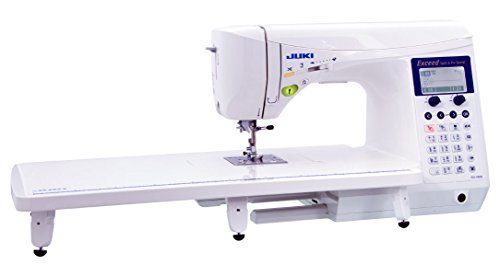
Juki HZL-F600 Full Sized Computer Sewing and Quilting Machine

Cutie Breeze Table Top Hoop Quilting Frame
More Details On Our Top Picks
Starting out in quilting usually means fighting your equipment as much as the fabric. The CP100X takes that friction out with an on-screen LCD that shows stitch choices clearly, plus threading diagrams printed right on the body. In a craft room where you’re learning free-motion basics alongside straight piecing, that kind of guidance matters.
The wide extension table gives bulky quilt sandwiches somewhere to rest instead of dragging off the bed edge, which is where most beginners lose tension control. Adjustable speed limiting also keeps foot-pedal surges from ruining a corner.
Advantages To Know
- LCD display makes stitch selection visible at a glance, so you’re not flipping through a manual mid-project
- One-step automatic needle threader saves eyesight strain during long piecing sessions
- Quick-Set bobbin system drops in without fiddly threading paths
- Speed control slider helps new hands keep seams even
- Included large table supports big quilts through the machine
Things To Consider
- The plastic-bodied housing is lighter than metal-frame rivals like the Janome MC6650, so expect more vibration at top speed
- Owners commonly report the threader needs careful alignment to work every time
Key Specs
Who Will Love This
A first-time quilter who wants computerized convenience without an intimidating price or learning curve.
Where A Sibling Pick Shines
Quilters planning heavy daily use should step up to the Janome MC6650, whose all-metal frame absorbs vibration far better over marathon sessions.
Even-spacing quilt lines don’t require electronics, just something rigid to ride against. This all-metal guide bar attaches to most low-shank or high-shank snap-on machines from Brother, Singer, and Janome, giving you a physical fence for channel quilting through multiple layers of fabric and batting.
Because it screws into the shank rather than magnetically clinging to the needle plate, it stays put even when thick seams pass underneath, a spot where weaker guides drift. At roughly three inches tall, it clears most presser feet without interfering with the needle area.
Points In Its Favor
- Metal construction resists bending, unlike thin stamped alternatives
- Fits both low-shank and high-shank snap-on machines, covering most household brands
- Keeps parallel lines consistent across layered quilts without marking every row
Small Caveats
- You’ll re-measure spacing each time you move it, since the bar locks to the shank rather than a numbered ruler
- Some users note the attachment screw can loosen over long sessions and needs a periodic tighten
Right Fit For
Walk-in-the-ditch and channel quilters who want dependable straight lines for pocket change.
Swap It Out When
If you change seam widths constantly between blocks, the Armilem Magnetic Seam Guide repositions faster than any screw-mounted bar.
A seam gauge you can move with one finger changes how quickly you work. The Armilem guide sits on the needle plate using a strong magnet, so switching from a quarter-inch piecing seam to a half-inch hem takes seconds, no screwdriver required. Fabric simply slides along its edge while the magnet holds the line steady.
It also handles curves better than fixed bars, since you can nudge it incrementally around gentle bends. Compared with the Honbay guide above, this one trades rigidity-through-thick-seams for pure convenience of adjustment.
Positive Takeaways
- Powerful magnetic grip keeps your chosen seam width locked while fabric feeds past
- Lift-and-reposition design means width changes take seconds, not minutes
- Works on any machine with a steel needle plate, no shank compatibility worries
- Supports both dead-straight seams and smooth curved edges
Worth Noting
- Computerized machines with plastic or coated plates may not provide enough ferrous surface for a firm hold, worth checking before ordering
- Keep it away from electronic components and stored needles, as magnets and small metal parts are a messy combination
Made For
Garment sewists and quilters who adjust seam allowances often and hate reaching for a hex key.
Consider Something Else When
For deep channel quilting through dense batting layers, the Honbay Quilting Guide Bar’s screwed-down stability holds truer under pressure.
This is the machine for quilters whose projects outgrew hobby-grade gear. A cast aluminum frame paired with a ten-inch all-metal seamless flatbed gives the Memory Craft 6650 the kind of stiffness that keeps stitch quality identical at stitch one and stitch ten thousand. That flatbed also swallows bulk, denim hems, and layered batting without complaint.
Speed reaches up to 1,000 stitches per minute, which turns chain-piecing a hundred blocks from an afternoon into a morning. Against the lighter Brother CP100X earlier in this list, the trade-off is weight and footprint: plan a dedicated table for it.
What It Does Well
- Heavy-duty aluminum frame dampens vibration, keeping high-speed seams tidy
- Ten-inch seamless metal flatbed offers generous room for maneuvering quilt sandwiches
- Up to 1,000 stitches per minute speeds through production piecing
- Build quality suits years of near-daily use in a working studio
Factors To Consider
- The metal build makes it heavy, so moving it between rooms or classes is a two-hand job
- Beginners may find the feature set more machine than they need on day one
Core Details
Who Should Grab It
Intermediate to advanced quilters running regular large projects from a permanent studio table.
Not Your Match When
Sewists who want maximum decorative variety per dollar will get more built-in stitches from the Juki HZL-F600 below.
Juki built its name on industrial heads, and the F-series brings that engineering mindset home. The headline number here is 255 built-in stitches spanning utility, stretch, decorative, lettering, and buttonhole styles, enough that you’ll rarely wish for an add-on unit for embellishment work.
Selecting them is refreshingly simple: push-button navigation with the choice confirmed on the LCD panel, so there’s no dial-hunting mid-flow. For quilters who also make bags, garments, and home decor from the same table, this breadth is the whole argument.
Strong Points
- 255 built-in stitches cover basic, stretch, decorative, lettering, and buttonhole needs in one box
- Push-button stitch selector with LCD confirmation removes menu confusion
- Stretch stitches handle knit garments as comfortably as cotton quilting
- Juki’s industrial heritage shows in feed consistency through layered fabric
Points To Note
- With this many options, learning where everything lives takes a few sessions with the manual
- Some owners report the stock accessories tray fills up fast once you start collecting presser feet
Feature Snapshot
The Right Fit
Makers juggling quilting with garment sewing and craft projects who want one versatile machine.
Another Choice May Suit
Shoppers focused purely on raw quilting muscle should compare the Janome MC6650, which prioritizes frame strength over stitch count.
Same model family as the previous entry, packaged as the full-sized variant aimed at people who sew like it’s their job. The F-series platform was designed from the ground up for superior quilting, home decor, and garment construction, and the larger body gives those tasks more stable footing on the table.
Where the compact version suits mixed hobby use, this configuration leans toward sustained output: longer sessions, heavier fabrics, less fuss. Owners commonly praise how little maintenance the mechanism demands once it’s dialed in.
The Good Stuff
- Full-sized body provides a steadier platform for long quilting runs
- Multi-function design covers quilting, decor, and garment work without swapping machines
- Backed by Juki’s industrial-sewing reputation for reliability
- Controls are laid out for efficient operation rather than novelty features
Trade Offs
- The larger footprint demands real desk space, tighter than it looks in listing photos
- Occasional reports mention shipping damage to accessory trays, so inspect contents on arrival
At A Glance
Built With In Mind
Home-based sellers and prolific makers who log hours at the machine every week.
Reach For A Different Pick When
Desk space is scarce, the Cutie Breeze frame later in this list turns a small table into a quilting station without adding machine bulk.
Here’s the twist ending of this list: instead of buying a bigger machine, buy a frame that moves the quilt instead. The Grace Company’s Cutie Breeze mounts your existing sewing machine on a carriage that glides over fabric held taut in a hoop, freeing you from pushing a heavy sandwich through a narrow throat.
It accommodates almost any machine with an eight-inch throat, and Grace notes it can carry up to a 19-inch long arm, so the frame grows with you. Setup fits nearly any desk, and it stores away when company comes.
The Upside
- Glide-style motion makes free-motion patterns dramatically easier on shoulders and wrists
- Works with machines you already own, protecting your current investment
- Fits almost any desk or table, then disassembles for storage
- Accepts machines up to a 19-inch long arm throat for future upgrades
Honest Caveats
- Assembly and learning the hoop workflow take an evening or two before stitching feels natural
- Frame quilting changes your muscle memory, so expect a short awkward phase coming from sit-down quilting
Quick Facts
Whose Shelf It Belongs On
Apartment quilters and beginners who want long-arm-style motion without dedicating a room to it.
Look Elsewhere When
Those wanting an all-in-one powered solution out of the box will prefer the Janome MC6650, a complete machine ready to sew immediately.
What Matters Most Before Choosing Computerized Long Arm Quilting Machines
Throat Space Decides Everything
The distance between the needle and the machine body determines how much rolled-up quilt fits beside the head. Ten inches feels luxurious after eight, especially on border work. Measure the largest quilt you actually finish, not the one you dream about.
Frame Weight Versus Portability
All-metal frames such as the Janome MC6650 stay still at speed, but they live where you put them. Lighter machines travel to classes and retreats. Decide honestly whether your machine will ever leave the house, because hauling twenty extra pounds gets old by the second trip.
Stitch Library Versus Focus
A 255-stitch bank earns its keep only if you decorate as well as quilt. Straight-stitch purists pay for features they never open. Match the library to your project list.
Accessories Change The Math
Guides and frames extend any machine cheaply. A magnetic seam guide or a hoop frame can deliver more practical improvement than a pricier motor ever will.
Key Considerations Across These Picks
Traps First Timers Fall Into
New quilters frequently overspend on stitch counts they’ll never touch, then discover their real bottleneck is throat space. Others skip measuring their table, then find a full-sized machine won’t fit. Check the needle-plate material too, since magnetic guides need steel to grip.
What Separates Premium From Basic
Higher-tier models spend your money where it counts: cast frames, wider beds, faster motors, and smoother feeding through layers. That translates to fewer skipped stitches on thick seams and less fatigue over long sessions. Pay up when quilting is weekly, stay modest when it’s monthly.
Frequently Asked Questions
Do I need a true long arm machine to quilt at home?
No. A capable domestic machine with decent throat space handles most home quilts, and a frame like the Cutie Breeze extends what you already own. Full long arms mainly pay off for king-size volume work.
Will a magnetic seam guide work on my computerized machine?
It depends on the needle plate. Magnetic guides grip steel plates firmly, while some modern machines use coated surfaces that weaken the hold. Verify your plate material before ordering.
How much throat space is enough for quilting?
Eight inches manages lap quilts with patience, while ten inches or more makes larger sandwiches far easier. Anything beyond that enters specialized long-arm territory.
Can I use my current sewing machine on a quilting frame?
Most frames accept standard domestic machines, and the Cutie Breeze specifically fits models with eight-inch throats or larger. Confirm your machine’s dimensions against the frame’s carriage limits first.
Are computerized quilting machines harder to maintain?
Not meaningfully. They need the same cleaning routine as mechanical models, mostly lint removal around the bobbin case. Electronics add no user-serviceable burden for normal owners.
Closing Thoughts
The right choice depends less on the spec sheet than on your actual sewing week. Beginners get everything they need from the Brother CP100X, while production-minded studios justify the Janome MC6650’s metal bones. Add the Armilem or Honbay guide for straighter lines today, and let the Cutie Breeze turn whatever machine you own into a glide-quilting setup. Start with the bottleneck that frustrates you most, and the rest of the list will wait patiently.
