
Learning to sew on a machine that fights you is the fastest way to quit. A good computerized model takes the guesswork out of stitch selection, threading, and buttonholes, so your energy goes into the project instead of the manual. This roundup covers six beginner-friendly machines that handle everything from hemming pants to first quilts. Each one earns its place through features that genuinely help someone new, not just a long spec sheet.
Your Options, Compared

Brother XM3700 Sewing Machine 37 Built-in Stitches
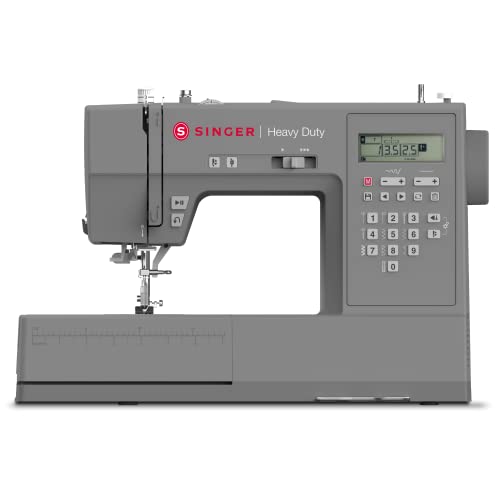
SINGER 6700C Heavy Duty Computerized Machine

Janome JW8100 Computerized Sewing Machine

Brother CP100X Sewing and Quilting Machine

Brother CS7205 Computerized Machine White

Brother CS7205 with Wide Table and Thread Pack
What Each Pick Brings To The Table
The XM3700 keeps things deliberately simple. Thirty-seven built-in stitches cover utility work, decorative touches, and heirloom-style sewing, which is plenty of range without an overwhelming menu. In a small apartment craft corner, its footprint stays manageable.
Five presser feet ship in the box: zigzag, zipper, blind stitch, buttonhole, and button sewing. That means common beginner tasks, from inserting a zipper to attaching buttons, need no extra purchases on day one.
The Value In It
- Thirty-seven stitches give room to grow past straight-sewing basics
- Five included feet handle zippers, buttonholes, and blind hems immediately
- Built-in storage compartment keeps bobbins and tools tidy between sessions
- Suits garment construction, decorative stitching, and light quilting alike
Worth Noting
- Owners commonly report the plastic body needs gentle handling during transport
- Stitch count trails the larger Brother models further down this list
Who It Suits Best
A true first machine for someone learning seams, hems, and simple garments at home.
Where A Sibling Pick Shines
Shoppers wanting far more decorative options should look at the Brother CS7205 instead.
Where the Brother XM3700 plays it lean, the SINGER HD6700C goes broad. Its 411 stitch applications span basic utility work, stretch stitches for knits, decorative patterns, and even a lettering font for monogramming. That breadth means the machine you learn on can carry you into home décor and personalized gifts later.
An included accessory kit rounds out the package, so threading tools and feet arrive together rather than piecemeal. For a beginner who already knows they want to sew seriously, that headroom matters.
Benefits That Matter
- 411 stitch applications cover garments, stretch fabrics, décor, and lettering
- Heavy-duty construction suits frequent sessions and thicker projects
- Accessory kit arrives bundled, cutting early add-on spending
- Stretch stitches open up knit fabrics most starter machines avoid
- Built-in font enables simple monogramming without extra equipment
Things To Consider
- The sheer stitch menu may feel intimidating until you memorize favorites
The Numbers That Matter
Right Fit For
Committed beginners planning garment sewing, monogramming, or heavy fabric work from the start.
Another Choice May Suit
Occasional menders will find the lighter Brother XM3700 easier to live with daily.
Janome built the JW8100 to remove friction. A built-in needle threader saves eyesight and patience, while auto-declutch bobbin winding stops the classic beginner error of winding the bobbin with the needle engaged. The backlit LCD screen makes navigation straightforward even in dim evening lighting.
The bundle is the real story here: a hard cover, extension table, and 22 accessories come standard. Compare that to buying those pieces separately and the value becomes obvious quickly.
What Pays Off
- Automatic needle threader cuts setup time dramatically
- Seven buttonhole styles suit shirts, cushions, and garments
- Hard cover protects the machine between projects
- Extension table supports larger quilting and curtain work
Small Caveats
- With 22 accessories onboard, organizing them takes some initial effort
- Janome’s interface differs from Brother models, so tutorial videos vary
- Larger footprint demands dedicated table space
At A Glance
Whose Shelf It Belongs On
Learners who want a complete, protected setup and plan to sew for years.
Reach For A Different Pick When
Tight budgets point toward the Brother CS7205, which trims cost while keeping core features.
Quilting ambitions change what a beginner needs, and the CP100X answers them directly. The wide table gives bulky quilt sandwiches somewhere to rest instead of dragging off the machine bed, a detail that matters more than any stitch count when piecing a throw.
Speed control deserves special mention. Adjustable sewing speed lets nervous newcomers slow down on curves, then open up on long straight runs, something fixed-speed machines simply cannot offer.
Notable Gains
- Adjustable speed control builds confidence on tricky seams
- One-step automatic needle threader with clear threading diagrams
- Quick-Set bobbin system reduces jam-related frustration
- Sharp LCD display simplifies stitch selection
- Large wide table supports quilting and big projects
Points To Note
- Owners commonly report dust buildup around the bobbin area needs regular cleaning
- Quilt-focused extras add bulk compared with the slimmer XM3700
Quick Facts
Who Will Love This
New quilters and crafters working on patchwork, bindings, and larger home projects.
Skip It When
Pure garment sewists may prefer the SINGER 6700C’s broader stitch applications.
The CS7205 punches well above its price bracket. One hundred fifty built-in stitches plus eight one-step auto-size buttonhole styles put it in territory usually reserved for pricier machines, and eleven included feet mean specialty tasks rarely require extra shopping.
A flip chart sits right on the machine showing every stitch at a glance, which beats scrolling menus mid-project. Basic monogramming comes via a lettering font with 55 alphanumeric characters.
A Strong Showing
- 150 stitches deliver near-premium variety at a friendlier cost
- Eight auto-size buttonholes adapt to fabric thickness automatically
- Flip chart displays all stitches without menu digging
- Eleven feet cover quilting, zippers, and decorative work
Room For Improvement
- The white finish shows lint and dust faster than darker housings
- No hard cover included, unlike the Janome JW8100
Made For
Cost-conscious learners who refuse to sacrifice stitch variety or accessory depth.
Look Elsewhere When
Anyone wanting a ready-to-sew bundle should consider the CS7205 variant below with thread included.
This version of the CS7205 keeps everything that made pick five appealing, then adds a six-piece premium thread pack. Unbox it and you can thread up and start stitching the same hour, no supply run required. As a gift for someone starting out, that completeness removes a real barrier.
The large backlit LCD display and wide table carry over too, so quilting and garment work both stay comfortable.
What It Does Well
- Thread pack means zero-delay first project
- Backlit LCD keeps settings visible in low light
- Wide table handles quilting and larger fabric panels
- Lettering font with 55 alphanumeric stitches covers simple monograms
Softer Spots
- Duplicate model of pick five, so existing owners gain little by switching
Feature Snapshot
The Right Fit
Gift givers and complete newcomers who want every supply in one purchase.
Swap It Out When
Sewists prioritizing protection and accessories over thread should weigh the Janome JW8100.
Choosing Wisely Before You Commit
Match The Machine To Your Projects
Garment sewing rewards stretch stitches and buttonhole variety. Quilting rewards throat space and a wide table. Write down three projects you want to finish this year, then check each machine against that list rather than chasing raw stitch counts.
Weight The Included Accessories
Feet, extension tables, and covers bought separately add up fast. The Janome JW8100 bundles 22 accessories, while the CS7205 variants include 11 feet. Count what ships in the box against what your shortlist omits before comparing headline prices.
Think About Your Workspace
A full-size computerized machine wants stable table real estate and decent lighting. Apartment dwellers with a corner desk should favor compact footprints like the XM3700, while anyone with a dedicated craft room can absorb the larger bodies comfortably.
Plan For The Learning Curve
Every computerized machine here automates threading or tension to some degree, but menus differ by brand. Stick with tutorials made for your exact model during the first month, and expect a few scrapped practice seams before things click.
Key Considerations Across These Picks
Traps First Timers Fall Into
Chasing maximum stitch counts is the classic error; most sewists use twenty stitches regularly. Skipping the accessory audit hurts too, since missing feet quietly inflate the true cost. Buy for your actual project list.
What Separates Premium From Basic
Higher-tier machines buy automation and durability: automatic threaders, adjustable speed control, metal internals, and bundled tables. Paying up pays off when you sew weekly. Casual menders get plenty from entry models.
Frequently Asked Questions
Are computerized machines harder to learn than mechanical ones?
Not usually. Menus replace dials, and features like auto-size buttonholes remove manual skill requirements. Most beginners find computerized models easier overall.
How many stitches does a beginner actually need?
Around 30 to 50 covers hems, zippers, buttons, and decoration. Extra stitches matter mainly for quilting and monogramming ambitions.
Do these machines handle denim and thick fabrics?
Lightweight denim layers are fine on most models listed. Repeated heavy canvas work favors the SINGER 6700C’s heavy-duty build.
Is an extension table necessary for quilting?
For anything larger than a placemat, yes. It supports fabric weight and prevents dragging that distorts seams.
How much maintenance do computerized machines require?
Regular lint removal around the bobbin case and occasional oiling where the manual directs. Ten minutes monthly keeps stitching consistent.
Closing Thoughts
Your first machine should invite you to sit down and sew, not send you hunting through manuals. Every option here does that job, from the approachable Brother XM3700 to the fully loaded Janome JW8100. Match the pick to your projects and workspace, trust the bundled accessories to save you money, and give yourself a few imperfect practice runs. The seam quality improves faster than you expect.
