
Cosplay sewing punishes weak machines. Foam-backed armor, four layers of twill, satin hems that fray at a glance: your machine has to switch gears fast and keep seams straight through marathon convention-prep nights. The six options below cover every stage of that journey, from a first-ever hem to a fully computerized workhorse with hundreds of stitch applications.
The Choices Worth Comparing
The Choices Worth Comparing

Brother XM3700 Sewing Machine
SINGER 6700C Heavy Duty Computerized Machine

Janome JW8100 Computerized Sewing Machine

Brother FB1757X Mechanical Sewing Machine

SINGER 4411 High Speed Heavy Duty Sewing Machine (Pink)
Verdanika Portable Mini Sewing Machine (Black)
A Deeper Look At The Lineup
Cosplayers moving past straight-line basics tend to hit this one first. Thirty-seven built-in stitches give you room for garment construction, decorative topstitching on capes, and heirloom-style trim work without paying computerized prices.
The five included presser feet matter more than they sound. A zipper foot handles corset lacing panels, while the buttonhole foot turns tabard closures into quick work, and everything stows in the built-in compartment between projects.
Why It Works Well
- 37 stitches cover garment seams, decorative edging, and quilting-style detail in one affordable body
- Zigzag, zipper, blind stitch, buttonhole, and button feet arrive in the box, so trim and closure work starts day one
- Built-in storage keeps small accessories from wandering off during long build sessions
- A sensible step up from entry-level mechanicals without a steep learning curve
Things To Consider
- Owners commonly report that lightweight bodies vibrate at high speed on dense layers, so steady the table for heavy armor fabrics
- No automatic thread cutter means trimming by hand adds minutes across a big project
Who It Suits Best
An intermediate cosplayer who wants decorative freedom beyond basic seams but isn’t ready for a full computerized interface.
Where A Sibling Pick Shines
Total beginners should start with the Brother FB1757X instead, since its simpler control layout builds confidence faster.
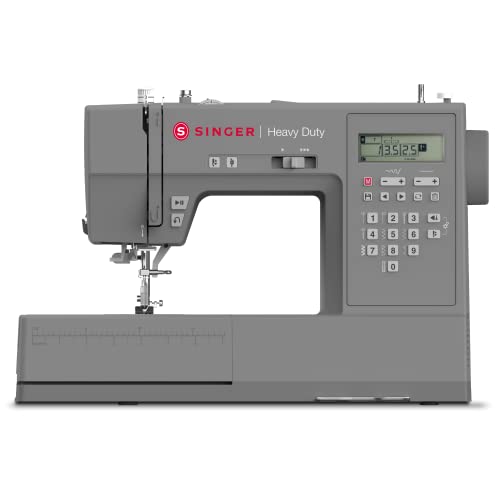
Where the Brother XM3700 offers a solid starter set, this SINGER goes wide: 411 stitch applications spanning basic construction, stretch seams, and decorative patterns, plus a lettering font for name tapes and guild patches. Stretch stitches alone justify the upgrade for spandex bodysuits, which tear plain straight seams apart the moment you move.
The heavy-duty frame targets thick stacks, think pleather over interfacing over lining. An included accessory kit rounds out the package for garment, décor, and monogramming work alike.
Strong Points
- 411 stitch applications handle basic, stretch, and decorative work plus lettering for custom patches
- Stretch stitches hold knit bodysuits and dance costumes together under real movement
- Heavy-duty construction suits layered costume fabrics that stall lighter machines
- Accessory kit included, so specialty tasks don’t require separate purchases
Potential Drawbacks
- The sheer menu size can overwhelm newer sewists who mostly need three or four stitches per project
- Computerized models generally deserve periodic servicing, an ongoing cost worth budgeting for
Made For
A committed costume builder producing multiple garments a year who wants lettering, stretch, and heavy-layer capability in one unit.
Swap It Out When
Shoppers wanting a curated, less overwhelming feature set will find the Janome JW8100’s 100-stitch lineup easier to live with.
This is the pick that behaves like studio equipment. A backlit LCD screen navigates 100 stitches cleanly, seven buttonhole styles cover everything from bound-edge cape slits to tailored plackets, and the 7mm stitch width gives decorative lines real presence on visible seams.
The details show Janome’s experience. A built-in needle threader saves eyes during late-night sessions, the auto-declutch bobbin winder stops winding automatically, and the extension table plus hard cover mean you get a proper work surface and dust protection rather than improvising both.
The Upside
- 100 stitches with LCD navigation make pattern selection quick mid-project
- Seven buttonhole styles suit tailored collars, capes, and structured costume pieces
- Extension table supports large panels like full skirts and cloak hems
- Hard cover protects the machine between conventions and off-season storage
- Built-in needle threader and auto-declutch bobbin winder cut setup friction noticeably
Small Caveats
- Twenty-two accessories take drawer space, so plan storage before unboxing
- You may find the feature depth more than needed for occasional mending-only use
At A Glance
The Right Fit
A dedicated home sewist finishing complex garments who values precision features and a protected, permanent workspace.
Consider Something Else When
Speed-focused builders pushing dense leather and canvas stacks may prefer the raw motor power of the SINGER 4411 below.
Seventeen stitches sounds modest next to the Janome’s hundred, but that’s exactly the point here. Mechanical dials mean no menus to learn, which matters when you’re already wrestling a pattern for the first time. Garments, simple props covers, and home décor pieces are all within reach straight away.
Practical touches round it out: a reverse button for locking seam ends, LED lighting over the needle area so dark navy twill stays visible, and a free arm for cuffs and sleeves. The 4-step buttonhole is slower than automatic versions yet teaches you what’s actually happening at the needle.
A Few Highlights
- Simple dial controls remove the learning curve that stalls many first projects
- Free arm makes sleeve hems and cuff work far less awkward
- LED work light improves visibility on dark costume fabrics
- Reverse button secures seam starts and finishes quickly
Points To Note
- The 4-step buttonhole demands manual engagement at each stage, adding time on multi-button garments
- Limited stitch selection means decorative work will feel cramped as skills grow
Who Should Grab It
A first-time cosplayer making their inaugural garment who wants dependable basics without computerized complexity.
Another Choice May Suit
Anyone planning elaborate embroidery-style detailing will get more mileage from the Brother XM3700’s 37-stitch spread.
Armor builds live and die on motor torque, and this is where the 4411 earns its reputation. A powerful motor drives through stacked foam, canvas, and vinyl, while the stainless steel bedplate lets heavy fabric glide instead of dragging. At up to 1,100 stitches per minute, deadline-week production moves fast, though the honest read is that most people dial it down for precision work anyway.
The pink finish is a genuine differentiator in a category full of white boxes. Accessories come bundled, so basic setup requires nothing extra.
Where It Excels
- Strong motor pushes through layered costume materials that stall lighter machines
- Stainless steel bedplate reduces friction on bulky fabric passes
- Up to 1,100 stitches per minute speeds up long straight-seam runs
- Distinctive pink colorway stands out in a shared craft room
Trade-Offs To Consider
- Owners commonly report thread tension needing careful adjustment when switching between thin and thick fabrics
- High speed takes practice to control on curved seams around armor edges
Quick Facts
Best Suited To
A builder working regularly with leather, denim, canvas, and multi-layer armor who prioritizes power over stitch variety.
Reach For A Different Pick When
Decorative stitching fans will find the SINGER 6700C’s 411 applications far better suited than this machine’s simpler set.
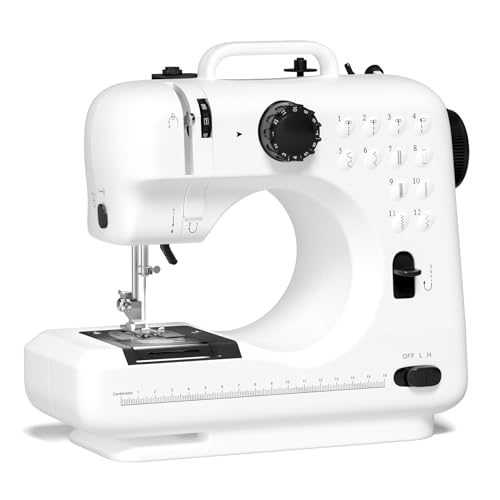
Every cosplay group knows the panic: a strap pops in the hotel room the night before the con. This compact Verdanika exists for that moment. Twelve built-in stitches, a foot pedal for traditional control, and a two-speed setting make emergency repairs manageable even in a cramped space, and clear guides for stitch selection and tension keep things simple under stress.
The maker claims it handles delicate silks through heavy denim. In practice, treat it as a repair and light-garment tool; marathon armor fabrication belongs to the heavier picks above. As a backup machine or a dorm-room starter, though, it fills its role well.
Useful Strengths
- Two-speed control helps beginners pace their stitching on tricky repairs
- Foot pedal option preserves the familiar rhythm of a full-size machine
- Compact footprint tucks into a suitcase or closet shelf easily
- Clear guides for tension and stitch choice reduce fumbling mid-repair
Worth Bearing In Mind
- Mini frames generally struggle with sustained heavy-duty work, so expectations should stay realistic on thick stacks
- Small parts are easy to misplace in travel bags; a dedicated pouch helps
Who Will Love This
A student or traveling cosplayer who needs a lightweight backup for repairs and small projects away from a full studio.
Not Your Match When
Anyone building large garments weekly should step up to the Janome JW8100, whose extension table and stitch depth handle serious volume.
What Matters Most Before Choosing Cosplay Sewing Machines
Match The Motor To Your Fabrics
Costume materials swing wildly, from chiffon capes to pleather chest plates. A machine with a strong motor and metal bedplate feeds dense stacks smoothly, while lighter frames handle silks and cottons beautifully but bog down under armor layers. Sort your planned builds by fabric weight first, then buy for the heaviest material you’ll touch regularly.
Count The Stitches You’ll Actually Use
Big numbers look impressive, yet most cosplayers lean on a dozen workhorse stitches: straight, zigzag, stretch, buttonhole, and a few decorative lines. Beginners benefit from a shorter menu that’s easy to navigate, while experienced builders doing lettering or heirloom detail genuinely use the extra range.
Think About Your Workspace
An extension table transforms how full skirts and cloak panels behave under the needle, and a hard cover protects your investment between projects. Small apartments favor compact bodies with storage compartments; a dedicated craft room justifies larger, heavier units that stay put.
Plan For Growth
The machine that suits your first tunic won’t suit your third armored gown. Choosing a model with headroom, extra stitch types, or accessory compatibility saves a full replacement cycle later.
Key Considerations Across These Picks
Traps First Timers Fall Into
The most common mistake is buying for the fantasy project instead of the next one. A beginner who purchases a 400-plus stitch flagship often abandons it out of menu fatigue. Another trap: ignoring fabric weight entirely, then discovering a lightweight frame can’t push through interfacing layers. Check what the machine handles before committing.
Where The Extra Money Goes
Higher-tier machines spend their budget on automation and durability: automatic needle threaders, wider stitch widths, metal internals, and extension surfaces. Those features pay off once you’re finishing multiple garments per season. Until then, a capable mid-range body delivers most of the results at a friendlier cost.
Frequently Asked Questions
Do I need a heavy duty machine for cosplay?
Only if your builds involve leather, canvas, or multi-layer armor. Lightweight garments sew fine on standard machines.
How many stitches does a cosplayer really need?
Around ten core stitches cover most costume construction. Extra decorative options help with visible trim and lettering work.
Can a mini sewing machine handle costume repairs?
Yes, for straps, hems, and small fixes. Sustained heavy fabrication calls for a full-size model.
Is a computerized machine worth the upgrade?
It pays off for frequent sewists using stretch stitches, buttonholes, and lettering. Occasional makers rarely tap that depth.
What maintenance do these machines require?
Regular lint removal, occasional oiling where the manual specifies, and periodic professional servicing keep computerized models running well.
Closing Thoughts
Your ideal machine depends less on specs and more on honest self-assessment: what you build now, what you plan next season, and where you sew. Start with the Brother FB1757X for fundamentals, grow into the Janome JW8100 or SINGER 6700C as ambitions expand, and keep the Verdanika nearby for emergencies. Whichever direction fits, measure it against your real workload rather than the biggest number on the box.
