
Cotton fabric shopping looks simple until you’re staring at a cart full of muslin, poplin, and batting with no idea which one suits your project. The wrong weight puckers in a quilt top; the wrong weave fights your embroidery needle. This roundup sorts seven solid options by what they actually do well, from budget muslin to print cottons and quilt batting. Match the material to the job and you’ll skip most of the frustration.
The Main Contenders

PEASUG Cotton Muslin Fabric 63 Inch x 2 Yards

FFPDYBEST Candy Pink Cotton Poplin Fabric 1 Yard

FFPDYBEST Lake Blue Cotton Poplin Fabric 1 Yard

FFPDYBEST Black Cotton Poplin Fabric 1 Yard

iNee Cotton Embroidery Fabric 20 x 60-Inch White

David Textiles Football Print Cotton Fabric by the Yard
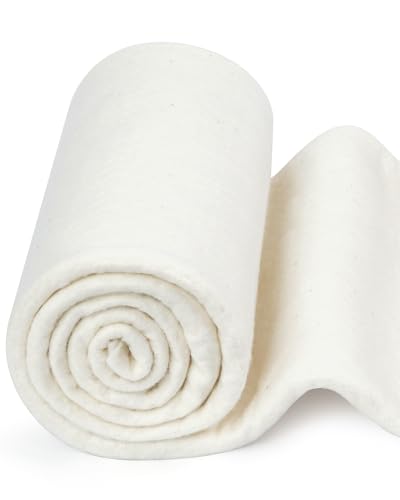
FIVEIZERO Natural Cotton Quilt Batting 47 Inch x 1 Yard
What Each Pick Brings To The Table
Muslin is the plain-weave workhorse of the sewing room, and this unbleached version leans into that role. At 63 inches wide with a two-yard cut per order, there’s enough yardage to mock up a garment pattern or back a small quilt without piecing strips together. The natural off-white tone also makes it a sensible choice for drafting toiles before committing to pricier cloth.
The smooth surface and breathable hand suit craft projects where comfort matters more than polish. One ordering note worth flagging: multiple quantities arrive as separate packs rather than one continuous length.
Positive Points
- Extra-wide 63-inch cut means fewer seams on wide backings and table linens
- Unbleached cotton takes dye and tea-staining well for custom color work
- Soft, airy texture works for swaddling-style crafts and reusable kitchen wraps
- Two-yard length covers most pattern-muscling needs in a single order
Small Caveats
- Natural flecks in unbleached muslin show up under dark thread, so prewash and inspect first
- Split shipments mean seamstresses needing one long run should plan cuts carefully
Key Specs
Who It Suits Best
Beginners practicing garment construction and quilters who need affordable backing cloth.
Where A Sibling Pick Shines
For finished apparel with a smoother face, the FFPDYBEST Candy Pink Cotton Poplin offers a silkier combed-cotton surface.
Poplin gets its crisp character from a tight plain weave, and this combed-cotton version pairs that structure with a candy-pink shade that photographs beautifully in children’s clothing and spring accessories. Combing removes short fibers before spinning, which is why the surface feels closer to sateen than to the PEASUG muslin above. For anyone sewing sundresses, pillow accents, or embroidered keepsakes, that finish shows up immediately.
The 59-inch width gives decent coverage for a single-yard cut, though larger garments will need extra yardage ordered up front.
Bright Spots
- Combed fibers deliver a smoother, silkier touch than standard muslin
- Lightweight body drapes nicely for skirts, blouses, and lined accessories
- Holds embroidery detail cleanly thanks to the fine, even weave
Points To Note
- A one-yard cut limits you to smaller projects unless you order multiples
- Lightweight poplins can shift during cutting; starch or pins help keep grain true
Right Fit For
Sewists making bright, soft-touch children’s wear and decorative pieces where color carries the design.
Swap It Out When
Neutral palettes call for something quieter, and the FFPDYBEST Black Cotton Poplin covers that role in the same weave family.
This is the same combed poplin construction as the candy pink sibling, traded into a calmer lake-blue tone that behaves better as a lining. Liners live inside garments, so the priority shifts from showy color to a smooth glide over skin and clean pressing behavior. The fine weave handles both, and the shade sits comfortably under lighter outer fabrics without shadowing through.
Quilters will find it useful too; the even surface takes fine stitching without snagging. As with its pink counterpart, one yard goes fast on anything beyond accessory-scale work.
A Strong Showing
- Soft combed hand feels pleasant against skin in lined garments
- 59-inch width reduces piecing on vest and jacket liners
- Lake blue reads muted enough to pair with both warm and cool prints
- Tight weave supports dense machine embroidery without puckering badly
Things To Consider
- Single-yard packaging means big lining jobs require several orders stitched together
Details At A Glance
Made For
Home sewists finishing jackets, dresses, and quilt blocks that need a calm mid-tone filler.
Another Choice May Suit
Darker wardrobe builds pair better with the FFPDYBEST Black Cotton Poplin, which hides interior seams more discreetly.
Black cotton earns its shelf space through sheer versatility, and this poplin version keeps the same silky combed finish as the pink and lake blue cuts earlier in the list. It’s the kind of shade that disappears into a project quietly: contrast sashing on a quilt, waistbands, tote linings, appliqué backgrounds. Nothing about it shouts, which is exactly why experienced sewists keep a yard or two on hand.
The lightweight build suits summer-weight garments rather than structured tailoring, so set expectations accordingly.
Reasons It Performs
- Deep black grounds colorful prints in patchwork without competing
- Combed surface presses flat and resists the fuzzy look of cheaper weaves
- Works across apparel, quilting, and craft categories in one purchase
Where It May Fall Short
- Dark cottons commonly show lint and dust, so store rolls wrapped between uses
- One-yard cuts run out quickly on trousers or full-length skirts
- Black dyes can fade unevenly with hot washing; cold cycles protect the depth
Best Suited To
Quilters and garment makers who want a reliable neutral staple for contrast work and linings.
Look Elsewhere When
You need a dedicated stitch-ready ground instead, and the iNee Cotton Embroidery Fabric is engineered precisely for needlework.
Embroidery punishes the wrong ground fabric. Loose weaves let stitches sink, heavy twills fight the needle, and cheap blends distort under hoop tension. This iNee panel sidesteps those problems by being built specifically for the job, sized at 20 by 60 inches so a single piece covers several hoop loads or one long sampler. White is the classic starting canvas because transfer patterns and light-box tracing read clearly against it.
It accommodates both hand needles and machine work, which matters if your interests straddle the two. Compared with the general-purpose poplins above, the trade is simple: less yardage flexibility, more purpose.
What Earns Its Place
- Designed for both needle and machine embroidery, no improvising required
- Long 60-inch panel fits samplers, banner edges, and repeated motifs
- Clean white base makes tracing and pattern transfer straightforward
Honest Caveats
- Fixed 20-inch width won’t cover wide panels such as full pillow fronts without seaming
- White fabric shows handling marks; wash hands often or use gloves during long sessions
Quick Facts
Who Will Love This
Hand-embroidery hobbyists and beginner machine stitchers building samplers or personalized gifts.
Not Your Match When
Full garment sewing is the goal, and any of the FFPDYBEST poplin cuts offer far more usable width per yard.
Themed prints live or die on clarity, and this football motif holds up well: the graphics stay sharp at quilting scale, which matters when small repeat elements would otherwise blur into noise. Underneath the print sits a 150 GSM cotton at 44 inches wide, a standard quilting-cotton spec that balances softness against enough body to survive daily handling. Kids’ pajama pants, game-day tote bags, and novelty quilt blocks are the obvious territory here.
Ordering multiple yards yields one continuous piece, so backing a lap quilt won’t force awkward joins mid-pattern.
What Helps Most
- Continuous-cut policy keeps multi-yard projects seamless end to end
- 150 GSM weight feels substantial yet still sews easily on home machines
- Cold machine washing preserves print vibrancy over repeated cycles
- 44-inch width matches standard quilting layouts and cutting mats
Trade Offs To Consider
- Narrower than the 59-inch poplins, so wider projects need extra piecing
- Novelty prints date quickly; buy only what a current project consumes
Feature Snapshot
Whose Shelf It Belongs On
Parents and gift-makers sewing for young sports fans, plus quilters building team-themed throws.
Reach For A Different Pick When
Your project needs loft rather than print, and the FIVEIZERO Cotton Quilt Batting supplies exactly that layer.
Every other item here is a face fabric; batting is the warmth layer sandwiched between them, and skipping straight to it saves beginners a common mistake. FIVEIZERO sells this natural cotton wadding in four lengths, from a single 36-inch yard up to four yards for king-size tops, all pre-cut and vacuum-packed. The 47-inch width clears most crib and throw layouts without splicing. Potholders, coasters, and cushion inserts are equally within reach given how cleanly small squares cut from the sheet.
One practical note: vacuum-packed batting arrives compressed and benefits from airing out before layering.
Useful Touches
- Four size options match everything from trivets to bed quilts
- Pre-cut sheets remove the measuring guesswork from project planning
- Unblended natural cotton breathes, keeping finished quilts comfortable year-round
- Lightweight hand prevents bulky seams on densely quilted designs
Details To Watch
- Expect flattening out of the pack; allow time to relax before basting
- Cotton batts can shrink slightly after washing, so pre-shrink if a flat finish matters
Core Details
Who Should Grab It
New quilters assembling their first layered project and crafters making heat-safe kitchen textiles.
Consider Something Else When
You need printed face fabric to pair with it, and the David Textiles Football Print Cotton delivers theme and durability in one roll.
Choosing Cotton Fabric Without Second-Guessing Yourself
Match Weight To Project First
Fabric weight decides success more than color does. Lightweight poplins around shirt weight drape well for apparel but collapse in structured bags, while mid-weight quilting cottons hold shape in home décor yet feel stiff next to skin. Decide what the finished item must do, then filter candidates by that requirement before anything else.
Width Changes Your Math
A 63-inch muslin and a 44-inch print are not interchangeable at the same yardage. Narrower cloth forces extra seams, and seams interrupt large prints and slow down backs. Measure your largest pattern piece, add seam allowances, and confirm the bolt width clears it in one pass.
Read Care Requirements Early
Cold-wash prints, dark dyes prone to fading, and pre-shrink-worthy battings each demand different laundry habits. Households that wash everything hot should favor sturdy weaves and darker tones tested for fastness, or accept some fading as part of ownership.
Buy Continuous Cuts For Big Jobs
Pieced yardage weakens quilts visually and structurally. Sellers offering continuous multi-yard cuts, like the David Textiles roll above, remove that risk entirely on anything wider than a pillow cover.
Key Considerations Across These Picks
Wrong Turns To Avoid
The classic slip is buying on color alone and ignoring width, then discovering your quilt back needs three awkward seams. A close second: skipping the prewash. Unbleached muslins and dark dyed cottons can both shift or shed residue on first laundering, so run everything through a cold cycle before cutting.
When Paying More Pays Off
Higher-tier cottons justify their cost through fiber preparation. Combed yarns, like those in the FFPDYBEST poplins, remove short fibers for a smoother, stronger thread, and that shows up as softer hand and cleaner stitches. Specialty grounds such as the iNee embroidery panel charge for purpose-built performance. General muslin remains the smarter spend for mockups and hidden layers.
Frequently Asked Questions
Is muslin suitable for finished garments?
It can be, especially for casual summer pieces where breathability matters more than drape. Most sewists reserve it for fitting mockups and linings instead.
What does GSM mean on cotton fabric listings?
Grams per square meter, a standard measure of fabric weight. Higher numbers indicate denser, heavier cloth suited to bags and upholstery-style projects.
Should cotton fabric be washed before sewing?
Yes, almost always. Prewashing removes finishing residues and lets shrinkage happen before your seams exist, protecting the final fit.
Can poplin be used for quilting?
Absolutely. Its tight weave takes crisp stitches, though its lighter body produces a thinner-feeling quilt than traditional quilting cotton.
How much batting do I need for a throw quilt?
Add roughly eight extra inches beyond your quilt top on every side to allow for trimming and shifting during basting. A 47-inch-wide batting covers most throw widths in one piece.
Closing Remarks
Seven fabrics, seven distinct jobs, and the right answer depends almost entirely on what sits on your cutting table next. Muslin for practice and backing, poplins for wearable color, the iNee panel for stitchwork, the football print for playful gifts, and FIVEIZERO batting underneath it all. Start with the project, not the fabric, and the rest of the decision tends to make itself.
