
Color by number is a quiet little pleasure, but the wrong markers can turn it into a chore. Bleeding paper, dry tips, and ink that smells like a science experiment are all common headaches. The right set fades into the background, letting you focus on the satisfaction of filling in shapes until the picture appears.
We’ve focused on sets that suit real color by number work, from kid-friendly washable packs to alcohol-based pens built for adult kits. Every pick below keeps tip control, ink consistency, and color range front and center, so you can match your next project without overthinking it.
A Side-By-Side Look

Crayola Super Tips Marker Set (100ct), Fine Point Washable

Ohuhu Alcohol Markers 48 Colors Brush & Chisel

Pagather Acrylic Paint Markers, 72 Colors Dual Tip

Pagather Acrylic Paint Markers, 48 Colors Dual Tip
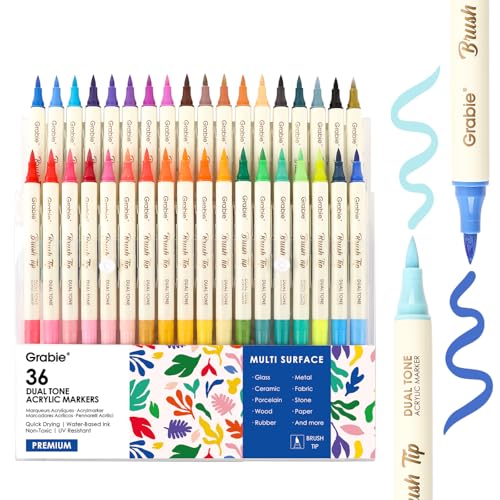
Grabie 72 Color Acrylic Paint Markers, 36 Dual Tip

Grabie 24 Color Acrylic Paint Markers, 12 Dual Tip
A Closer Look At Each Pick
If you have kids at the table, the Crayola Super Tips set is the easy default. The 100-count box covers the full rainbow with primary, secondary, and a healthy spread of in-between shades, so most printed color by number sheets match up without much fuss.
The flexible fine-point tip is the real draw for paper projects. It lays down a thin line for tight shapes, then flexes a little when you press harder to flood a larger area. Because the ink is washable, stray marks on sleeves, desks, and tablecloths tend to come out with soap and water, which is a relief during weekend sessions.
Advantages To Know
- 100 distinct colors cover the spectrum most color by number pages use, so kids rarely hit a “no match” gap.
- Washable ink eases cleanup after long sessions, which matters for parents and teachers.
- Flexible tip handles both small numbered zones and broader blocks without swapping pens.
- Friendly to younger hands and a familiar choice for classroom supply lists.
Things To Consider
- Paper-color match is approximate, since the set focuses on classic Crayola names rather than Pantone-style numbers.
- Washable ink can reactivate slightly on humid days, so finished sheets benefit from a quick dry before stacking.
Feature Snapshot
Whose Shelf It Belongs On
Families and classrooms where multiple ages share a single supply stash.
Consider Something Else When
Adults chasing the saturated, blendable results of alcohol ink will prefer the Ohuhu Alcohol Markers 48 Colors set instead.
For adult color by number kits with layered shading, alcohol-based markers hit differently than water-based options. The Ohuhu 48-color set leans into that workflow with a dual-tip build: a flexible brush end for sweeping strokes, and a chisel nib for fast fills and crisp borders.
Alcohol ink (a fast-drying, pigment-rich formula that blends on the page rather than in the pen) plays nicely with the heavyweight paper that ships in most adult kits. You can lay down two shades side by side and watch them melt into a gradient before they set, which is hard to replicate with washable markers. The 48-color spread covers the main shading families without overwhelming a small desk.
Positive Takeaways
- Brush and chisel tips in one pen reduce the need to swap tools mid-section.
- Alcohol ink blends smoothly on coated paper, which suits gradient-heavy designs.
- 48 colors strike a good balance between range and storage footprint.
- Quick-drying formula helps prevent smearing when stacking finished pages.
Worth Noting
- Alcohol ink carries a faint solvent smell, so a ventilated workspace helps during long sessions.
- Brush tips can fray with heavy pressure over time, and replacement nibs add an extra cost line.
Made For
Adults working through cozy coloring books and detailed kits that reward blending and layering.
Not Your Match When
You need a kid-safe, washable option for shared family time, where the Crayola Super Tips Marker Set fits far better.
The Pagather 72-color acrylic set is built for color by number projects that ask for nuance. Acrylic-based pens lay down opaque, water-resistant pigment (color particles bound in a plastic-like medium) that holds its own against the thin lines of a printed key, which keeps each numbered zone looking clean even after multiple passes.
You get two tips per pen, a fine point for tight numbers and a brush end for shading, which mirrors the versatility of the Ohuhu set above but with a broader color range. The 72-count spread gives you room to handle the trickier keys in elaborate adult kits, where a limited palette tends to force compromises.
Positive Points
- Opaque acrylic coverage hides any printed lines bleeding through thin paper.
- Dual-tip design covers detail and fill work without extra tools.
- 72 colors handle complex keys without forcing awkward substitutions.
- Water-resistant finish helps pages survive the occasional coffee spill.
Trade Offs
- Acrylic ink dries fast on the nib, so caps need to go back on promptly between zones.
- A 72-pen footprint takes up more shelf and table space than smaller sets.
Feature Snapshot
Who It Suits Best
Hobbyists tackling intricate adult kits who want the broadest color range in the lineup.
Look Elsewhere When
You want a more compact acrylic set, in which case the Pagather 48-color set covers the basics without the extra bulk.
If the 72-color Pagather set feels like too much, the 48-color version keeps the same dual-tip acrylic build in a friendlier size. You still get a fine point for small numbers and a brush tip for shading, but the color list trims down to a core palette that covers most mid-size kits.
That smaller count makes the set easier to store, easier to budget for, and less overwhelming for newer hobbyists. The acrylic base behaves the same way as the larger set, so coverage stays opaque and pages resist smudging once dry. For many color by number projects, 48 shades is the sweet spot between range and restraint.
A Favorable Mix
- Same dual-tip acrylic build as the 72-color set in a more approachable size.
- 48 colors cover the shading families most adult kits actually use.
- Compact footprint fits standard pen cases and small craft shelves.
Honest Caveats
- Highly detailed kits with unusual key colors may push you toward the larger 72-count set.
- Brush tips still require quick recapping to avoid drying out mid-session.
Best Suited To
Intermediate colorists who want a versatile acrylic set without committing to the largest color count.
A Better Fit Elsewhere
Anyone chasing the maximum color range should step up to the Pagather 72 Color set, which covers the same workflow with more shades.
The Grabie 72-color set earns its place for crafters who bounce between paper and harder surfaces. Each pen carries dual brush tips, so you cover detail and fill work without swapping mid-project, and the acrylic formula holds up on stone, glass, and canvas as readily as on standard color by number sheets.
That flexibility is the real headline. You can finish a printed kit and then move straight to painting a planter or a ceramic mug without changing media, which appeals to hobbyists who like their supplies pulling double duty. The 36-pen, 72-color count lands right between the two Pagather sets for range.
Noteworthy Benefits
- Multi-surface acrylic formula works on paper, stone, glass, and canvas.
- Dual brush tips keep the workflow simple for mixed media projects.
- 72 colors give crafters room to experiment beyond standard kits.
- Quick-drying ink reduces smudges on layered designs.
Points To Keep In Mind
- Acrylic pigment can feel thicker on thin paper, which may show texture through lighter layers.
- Storage takes planning because the 36-pen pack still needs a dedicated case or shelf spot.
Feature Snapshot
Right Fit For
Crafters who split their time between printed color by number projects and standalone surface painting.
Swap It Out When
You mostly color paper kits and want a slimmer acrylic set, in which case the Grabie 24-color pack keeps the formula simple and compact.
Not everyone needs a sprawling color library on day one. The Grabie 24-color set, packaged as 12 dual-tip pens, gives newcomers a low-commitment way into acrylic color by number work. You get 24 working shades, enough to handle most beginner kits, in a pack that fits on a small desk or in a drawer.
The dual-tip design keeps the workflow approachable, and the same quick-drying acrylic formula the larger Grabie set uses. For a first project, that means fewer decisions about which pen to pick up and less chance of the kit sitting untouched because the supplies felt like a hurdle.
Everyday Advantages
- Compact 12-pen format suits small desks, gift bags, and travel use.
- 24-color range covers the basics in entry-level color by number kits.
- Acrylic finish produces opaque, water-resistant results without specialized paper.
- Lower upfront cost makes it easy to try acrylics before scaling up.
Small Caveats
- Limited palette will run out of shades for elaborate adult kits.
- You may outgrow the set within a few projects and need to add a larger pack later.
Who Should Grab It
Newcomers who want a starter acrylic set to see if the medium clicks before investing in a larger collection.
Reach For A Different Pick When
You already know you enjoy acrylic color by number work and want room to grow, since the Grabie 72-color set covers the same formula with much more range.
Picking The Right Markers For Your Coloring Style
Match The Tip To The Kit
Color by number pages vary a lot. Kid-oriented sheets have larger zones that respond well to broad flexible tips like the ones on the Crayola Super Tips set. Adult kits, by contrast, rely on fine numbering and tight boundaries, so a dual-tip pen with a brush and chisel or fine point makes shading and detail work manageable.
Understand The Ink Base
Water-based washable ink is forgiving on skin, clothes, and household surfaces, which is why kid-friendly sets lean on it. Alcohol and acrylic inks sit on top of the page instead of soaking in, which gives deeper color and lets adjacent shades blend before drying. Alcohol formulas can carry a faint solvent smell, so they suit a ventilated spot more than a shared kitchen table.
Count The Colors You Actually Need
More shades sound better on paper, but oversized sets bring clutter and decision fatigue. A 24 or 48-color acrylic pack covers most beginner and mid-level kits comfortably. Larger 72-color ranges help when you tackle elaborate keys with unusual tones, but the extra pens only earn their keep if you regularly finish those complex projects.
Think About Storage And Care
Acrylic and alcohol pens both dry out if caps stay off, so plan for a case or upright holder. Washable water-based markers tolerate casual storage, but they can reactivate in humid rooms. Whichever you choose, a flat workspace with decent lighting protects the tips and keeps finished pages from smudging as you work.
Key Considerations Across These Picks
Wrong Turns To Avoid
A common misstep is buying a giant color range before knowing which ink base you actually enjoy. People who want blending usually need alcohol or acrylic, while those coloring with kids need washable water-based ink. Another trap is assuming every printed number has an exact match; real kits sometimes ask you to substitute a close shade, so a versatile mid-size set often serves better than a sprawling one with awkward gaps.
The Upgrade Payoff
Stepping up from a washable starter set to an alcohol or acrylic marker brings deeper color, smoother blending, and more durable pages. That upgrade makes sense once you know you enjoy the hobby and want richer results on heavier paper. Beginners may not feel the difference right away, so the extra spend is usually worth waiting for until your coloring habit is established.
Frequently Asked Questions
What type of marker works best for color by number?
Water-based washable markers suit kids and casual pages, while alcohol and acrylic pens give deeper color and smoother blending for adult kits.
Are alcohol markers safe to use indoors?
Alcohol markers release a mild solvent smell, so opening a window or working in a ventilated room keeps the air comfortable during longer sessions.
How many colors do I need for a typical kit?
Most beginner and mid-level color by number kits use somewhere between 20 and 50 distinct shades, which a 48-color set handles without strain.
Do I need special paper for alcohol or acrylic markers?
Heavier, coated paper holds up best because the ink sits on the surface rather than soaking through, which keeps colors vivid and lines crisp.
Can I mix marker types in the same project?
Yes, many hobbyists use washable markers for base layers and switch to alcohol or acrylic pens for accents, though the layers can interact, so a test swatch helps.
