
A weekend repaint sounds simple until the weather shows up. Sun, rain, frost, mildew, and muddy sprinkler splash all hit exterior surfaces differently, and the right coating depends on the substrate underneath. This list sorts through nine options that show up across exterior projects, from a quart of machine-implement enamel to full garage-floor kits, so you can match the formula to the wall, floor, or pool in front of you.
The Picks In Brief

Rust-Oleum Paint Implement JD Green QT 280108
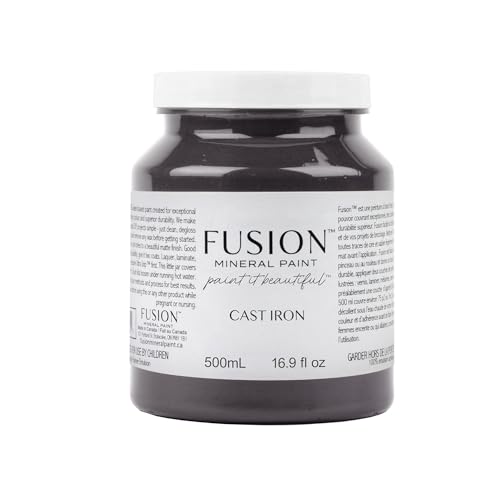
Fusion Mineral Paint 500ml Cast Iron

Winsor & Newton Professional Acrylic 200ml Yellow Ochre
Taiyin Epoxy Floor Flake 6.17 lb Black White Grey

Fusion Mineral Paint Tough Coat Matte Wipe-on Poly

STF Two-Component Epoxy Floor Kit 4 Gallon Bright Green

STF Pool Paint Blue 1 Gallon Acrylic Resin

STF Pool Paint White 1 Gallon Acrylic Resin

ShangTianFeng Floor or Wall Paint Kit 5 Gallon Bright Blue
What Each Pick Brings To The Table
Farm tractors, wheelbarrows, and cast-iron implements take more punishment than a wood fence ever will. This Rust-Oleum quart is a JD Green machine enamel designed for that kind of abuse, built around the brand’s reputation for rust-resistant finishes on metal. The shade matches older John Deere equipment closely, which matters if you’re color-matching a panel rather than repainting a whole machine.
Where it sits in the lineup is narrow but specific. Compared to the furniture paints from Fusion Mineral Paint below, this one is engineered for outdoor metal exposure rather than decorative wood. One quart is enough to refresh a small implement or a set of garden tool handles, and the finish holds up to grease, sun, and the occasional hose-down.
Everyday Wins
- JD Green tone blends with vintage farm equipment color schemes
- Rust-Oleum formula is widely used for outdoor metal substrates
- Quart size suits spot repairs and small implements
- Brush or roller compatible for typical DIY application
Things To Consider
- Surface prep on rusty metal still matters; owners commonly report that skipping primer shortens the life of the topcoat
- Limited to JD Green; not a general-purpose exterior wall paint
Key Specs
Built With In Mind
Anyone restoring small farm gear, garden implements, or metal accents who wants a familiar green tone.
Consider Something Else When
The Fusion Mineral Paint Cast Iron quart is a better match for furniture upcyclers who want a true off-black with warm undertones.
Cast Iron from Fusion Mineral Paint is a warm off-black with depth that reads as charcoal in low light and near-black in direct sun. The 500 ml jar sits in the brand’s “Foundation to Finish” line, which means the formula is built to apply without a separate primer or topcoat for furniture-scale projects. For most upcyclers working on a dresser, side table, or set of dining chairs, that single-step approach saves an entire weekend.
The non-toxic, lead-free, and low-VOC (volatile organic compounds, the solvents that cause paint fumes) profile matters in enclosed spaces like a closed-up garage during winter. Pair this with the Tough Coat wipe-on poly later in this list for tabletops that see daily cups and laptops.
The Upside
- True off-black that leans warm rather than blue or green
- Self-leveling formula helps hide brush marks on flat panels
- Low odor makes indoor winter painting realistic
- No separate primer or wax topcoat required for most furniture uses
Worth Noting
- 500 ml covers small to mid-size furniture only; a large hutch may need more than one jar
- Color shifts subtly between wet and cured, so sample on a hidden spot first
Whose Shelf It Belongs On
Furniture upcyclers and small-batch refinishers who want a forgiving, all-in-one formula.
Look Elsewhere When
The Winsor & Newton Professional Acrylic in Yellow Ochre is the better fit for artists and crafters doing decorative trim or mural-style work.
Yellow Ochre is one of those grounded earth tones that anchors any palette, and the Winsor & Newton Professional Acrylic version delivers strong tinting strength in a 200 ml tube. The Professional line uses a 100% acrylic resin binder (the polymer film that holds pigment to the surface), which gives it flexibility and weather resistance well beyond student-grade acrylics. For decorative trim accents, house numbers, planter pots, or hand-painted signage, that durability pays off.
Where this lives in the lineup is the opposite of the Rust-Oleum quart above. Instead of covering metal implements, it’s a precision artist paint that you might brush onto a small exterior detail or mix into a tinted primer. The 200 ml tube is generous enough to base-coat a sizeable project without rushing to use it up.
Reasons It Performs
- High pigment load gives strong coverage and rich mixing tone
- Professional acrylic resin handles outdoor exposure once cured
- 200 ml tube covers more ground than typical 75 ml artist sizes
- Plays well with other acrylics for custom tinted coatings
Honest Caveats
- Artist-grade cost per ounce is higher than wall paint
- Best on small decorative elements rather than whole walls or fences
Feature Snapshot
Who Will Love This
Crafters, sign painters, and DIYers adding decorative trim accents in an earth-tone palette.
Swap It Out When
The ShangTianFeng 5-gallon floor kit is the right call for anyone coating an entire patio or garage slab in one session.
Decorative color flakes turn a plain epoxy pour into something that looks closer to a show garage than a warehouse floor. Taiyin’s 6.17 lb pack delivers black, white, and grey rock slices in the 2 to 4 mm range, which is the sweet spot for broadcast application (throwing flakes by hand across wet epoxy). You sprinkle them onto freshly coated epoxy, let the resin cure, and then seal with a clear topcoat.
The honest read is that flakes are an accessory, not a finish. Pair this with the STF two-component epoxy kit further down for a coordinated look, or use it to disguise minor imperfections on an older floor. The black-white-grey palette is the safest choice for resale-friendly garage spaces.
What It Does Well
- Neutral color mix suits most garage and basement floors
- 2 to 4 mm flake size broadcasts evenly without clumping
- Lightweight rock slices don’t sink too fast in standard epoxy
- 6.17 lb covers a typical two-car garage section
Minor Gripes
- Flakes alone don’t seal or protect; you still need epoxy base and topcoat
- Excess flakes must be swept up after curing, adding cleanup time
Feature Rundown
Best Suited To
Homeowners upgrading a garage floor who want a custom broadcast finish without buying a pre-tinted kit.
Reach For A Different Pick When
The STF two-component epoxy kit is the better starting point if you don’t already own a base epoxy to broadcast into.
Topcoats are the part of the paint job that decides whether your work survives contact with reality. Fusion’s Tough Coat is a wipe-on poly (a thin urethane-acrylic sealer that you apply with a cloth rather than a brush) that dries to a true matte, so it protects without the plastic shine that glossy polyurethanes leave behind. For painted tables, kitchen islands, or bar tops that see daily cups, that’s the right balance.
The water-based formula cleans up with soap and warm water, which is genuinely useful when you inevitably drip on the floor mid-application. Coverage of about 75 square feet per 500 ml jar puts it in the same refill-size category as the Cast Iron paint above, so you can plan both purchases together.
Real-World Strengths
- Wipe-on application avoids brush marks on large flat panels
- Non-yellowing formula keeps whites and off-blacks true over time
- Matte sheen protects without looking like a thick plastic coating
- Easy soap-and-water cleanup during application
Points To Note
- Needs 12 to 24 hours of drying on a freshly painted surface before use
- Multiple thin coats outperform a single thick coat, so plan for repeat passes
Right Fit For
Painted furniture owners who want a durable, low-sheen sealer on tables, counters, or high-touch cabinets.
A Better Fit Elsewhere
The Fusion Mineral Paint Cast Iron jar is the more logical starting point if you haven’t yet picked a base coat to seal.
Two-component epoxy (a base resin that you mix with a separate hardener just before pouring) is the standard for serious garage and shop floors, and this STF kit delivers 100% solids content, meaning what you pour onto the slab is what cures; there are no solvents evaporating out. The result is a 6H hardness rating (a pencil-hardness scale where 6H is harder than standard HB) and the kind of wear resistance that handles dropped tools and rolling workbenches.
The bright green color is a deliberate choice. Compared to the neutral Taiyin flake blend above, this kit brings its own pigment, so you’re not relying on color flakes to carry the look. You can still broadcast flakes like the Taiyin pack for texture, but the base color already pops.
A Few Strong Suits
- 100% solids formula means no shrinkage as it cures
- 6H pencil hardness resists scuffs from rolling jacks and toolboxes
- Self-leveling pour reduces trowel work on flat slabs
- Compatible with decorative flake broadcasts for custom texture
Trade-Offs To Consider
- Two-component mixing has a pot life (the working time before the epoxy hardens in the bucket), so timing matters on large pours
- 4 gallons is sized for full garage floors; smaller projects will leave excess
Feature Overview
Who Should Grab It
Shop owners, hobbyist mechanics, and homeowners with active garages who want a tough, colored floor in one weekend.
Skip It When
The ShangTianFeng 5-gallon single-component kit is easier for DIYers who don’t want to measure and mix two parts.
Refreshing a tired pool surface used to mean draining the pool and waiting days for solvent-based coatings to off-gas. The STF acrylic pool paint flips that script with a water-based resin that dries fast and works on concrete, plaster, masonry, and even metal shells. At one gallon covering about 40 square feet, one bucket is the right size for a small residential pool touch-up or a koi pond.
The blue tone reads as classic pool blue, and the quick-drying profile means a second coat can go on the same day in good weather. Compared to the white version below, this is the color choice when you want the deep water look rather than a bright reflective finish.
Practical Pluses
- Water-based formula keeps fumes manageable during application
- Adheres to concrete, plaster, masonry, and metal pool surfaces
- Quick-drying finish shortens the refill-and-recoat timeline
- Helps reduce leak risk on aging plaster shells
Points To Keep In Mind
- Pool must be drained and fully dry before application
- Coverage assumes two coats, so plan the math on square footage carefully
Perfect Match For
Homeowners with a concrete or plaster pool who want a classic blue refresh without solvent fumes.
Not Your Match When
The STF Pool Paint White is the right pick for older pools where a brightening white finish helps reflect heat and light.
White pool paint does more than change color. A bright white finish reflects sunlight, which can keep shallow water cooler and make the pool read cleaner at a glance. This STF acrylic delivers the same water-based, quick-drying profile as its sibling blue, just in a tone suited to older plaster shells that have yellowed over the years.
The compatibility list matches the blue version: concrete, plaster, masonry, and metal. For a fish pond, a water tank, or a small above-ground pool, the same gallon covers roughly 40 square feet. The honest trade-off is that white shows dirt and calcium scale faster than blue does, so maintenance brushing becomes part of the routine.
The Value In It
- Brightens older plaster shells that have yellowed
- Reflects sunlight to keep shallow water cooler
- Same quick-drying water-based formula as the blue version
- Multi-surface adhesion across concrete, plaster, and metal
Some Limits To Know
- White finish shows scale and debris more visibly than darker tones
- Touch-ups blend less invisibly than on a blue base
Quick Facts
Made For
Pool owners with older plaster shells who want a brighter, cooler, more reflective finish.
Another Choice May Suit
The STF Pool Paint Blue is a better match if you prefer the classic deep-water look over a bright reflective surface.
Five gallons of single-component acrylic (a ready-to-use formula that doesn’t require mixing a separate hardener) covers 800 to 1000 square feet, which is exactly the footprint of a two-car garage floor or a sizeable patio. The no-mix approach is the headline feature here. You crack the lid, stir, and roll, with no measuring cups, no pot-life clock, and no leftover catalyzed material going to waste in the bucket.
The scratch-resistant, low-VOC formula is meant for both indoor and outdoor use, so the same kit handles a basement workout room or a back patio. Compared to the STF two-component epoxy above, this trades ultimate hardness for convenience, and for most homeowners that trade is worth it.
Positive Takeaways
- Single-component format removes mixing and pot-life pressure
- Large 5-gallon kit covers a full two-car garage in one purchase
- Low-VOC formula suits indoor applications like basements
- Scratch-resistant acrylic handles daily foot and tire traffic
A Few Limitations
- Acrylic hardness won’t match a 100%-solids epoxy on heavy rolling loads
- 5-gallon volume is overkill for a small patio or single-room project
Best Suited To
DIYers coating a full garage or patio who want a one-coat convenience kit without measuring or mixing.
Where A Sibling Pick Shines
The STF two-component epoxy kit is the stronger choice for active shops with rolling toolboxes and heavy point loads.
Choosing Coatings That Match The Surface
The first question isn’t color; it’s substrate. Wood siding, concrete floors, plaster pools, and metal implements all want different chemistries, and a mismatched product tends to peel within a season. Acrylics flex well on wood and concrete, epoxies bond aggressively to prepared concrete, and enamel is built for metal.
Climate matters as much as substrate. Cold regions with freeze-thaw cycles put extra stress on coatings, so flexibility and adhesion matter more than raw hardness. Hot, sunny climates push UV resistance to the top of the list, while shaded, damp areas reward mildewcide additives.
VOCs are worth a quick check, especially for indoor or enclosed projects. Low-VOC formulas cost a little more but make weekend painting realistic without relocating the family. Coverage rates, expressed in square feet per gallon or per jar, tell you how much to buy for the job.
Prep Work That Saves The Whole Job
Surface prep does more for paint longevity than the brand on the can. Pressure washing, sanding glossy spots, and patching cracks before opening any of these paints often doubles the life of the finish. Skip the prep, and even the best epoxy will lift at the weak spots.
Drying and recoat windows are the second prep step. Acrylics typically need a few hours between coats, epoxies run on longer cures, and pool paints need a full drain-and-dry cycle before refill. Read the dry times on the listing and build the schedule around them rather than the other way around.
Common Shopping Slip Ups
Buying wall paint to cover a garage floor is the most common mismatch. Wall acrylics lack the abrasion resistance for vehicle tires, and the floor fails within months. Match the product class to the use case first, then pick the color.
Underestimating coverage is the second trap. The square-foot ratings on the listing assume one coat over a smooth, primed substrate. Two coats over raw concrete or textured wood can run through a gallon faster than expected, so adding a buffer avoids a second delivery.
When Paying More Pays Off
Premium coatings earn their higher cost through longer re-coat intervals and tougher resins. For a high-traffic garage floor or a pool that sees daily use, the upgrade from a basic acrylic to a 100%-solids epoxy or a professional pool paint saves a refinish cycle. For a one-time patio refresh, the budget-friendly single-component kit is usually enough.
Frequently Asked Questions
What’s the difference between interior and exterior house paint?
Exterior formulas add UV blockers and flexibility to handle temperature swings, while interior paints prioritize low odor and scrub resistance. Using interior paint outside usually leads to early fading and cracking.
Can I use the same paint on wood and concrete?
Most exterior acrylics are formulated for one substrate or the other. Concrete-specific products bond to alkaline surfaces, while wood paints flex with the grain. The ShangTianFeng kit is one of the few that lists both.
How long does exterior paint typically last?
Acrylic exterior wall paint usually runs five to ten years before a repaint. Floor epoxies stretch longer when sealed properly, and pool paints sit in the two-to-five-year range depending on water chemistry and sun exposure.
Do I need a separate primer?
Most of these products are formulated as paint-and-primer combinations, but bare concrete and bare metal benefit from a dedicated primer coat for adhesion. The Fusion Mineral Paint line is the exception; it’s designed to skip primer on furniture.
How do I estimate how much paint to buy?
Measure the surface area in square feet, then divide by the listed coverage rate per coat. Multiply by the number of coats you plan to apply, and add 10 percent for touch-ups and absorption into textured substrates.
Final Verdict
Match the formula to the surface first, then pick the color that fits the project. Whether you’re sealing a small piece of furniture with the Fusion Tough Coat or resurfacing an entire garage with the ShangTianFeng 5-gallon kit, the right chemistry saves a refinish cycle down the road. Start with a clear sense of substrate, climate, and traffic, and the rest of the decision lines up naturally.
