When it comes to decorating your space, understanding size and scale is key. Size refers to the actual dimensions of decorative accessories, while scale relates to how these items fit within your room. Think of it this way: if you place a tiny vase on a large table, it may get lost in the space. On the other hand, a massive sculpture might overwhelm a small room. By grasping these concepts, you can create a balanced and harmonious environment that enhances your interior design.
Key Takeaways
Understand the difference between size and scale to create a balanced decor.
Choose accessories that complement your furniture size for a cohesive look.
Use oversized pieces in large rooms to prevent emptiness and enhance visual interest.
Mix different sizes of accessories, but maintain balance to avoid chaos.
Pay attention to visual weight to achieve harmony in your space.
Size in Decor
Importance of Dimensions
When you think about decorative accessories, size takes precedence. The physical dimensions of your accessories can make or break the look of your space. Imagine placing a tiny picture frame on a large mantelpiece. It might get lost among the other items, leaving your decor feeling unbalanced. On the flip side, a massive piece can dominate the room, making it feel cramped.
To avoid these pitfalls, consider these guidelines for matching accessory size to room dimensions:
60% of the space should be occupied by the floor, ceiling, and walls. This allows for aesthetic choices and easy navigation.
30% of the space should be dedicated to furniture. This ensures comfort without overcrowding.
10% of the space is reserved for accessories. These items help to unify the room’s design.
By keeping these proportions in mind, you can create a more harmonious environment.
Size and Room Relation
The size of your accessories should relate directly to the overall space. In smaller rooms, many people make the mistake of using numerous small decorative items. This can clutter the area and create a chaotic feel. Instead, consider using a single large piece. A bold statement accessory can have a more significant impact and make the room feel more cohesive.
In larger spaces, you have more flexibility. You can mix and match different sizes, but be mindful of balance. Too many oversized items can overwhelm the room, while too many small pieces can make it feel sparse. Striking the right balance is essential for achieving a well-designed interior.
Remember, the goal is to create a space that feels inviting and well thought out. By paying attention to size and how it relates to your room, you can enhance your decor and make your home truly shine.
Scale and Proportion
Understanding Scale
Scale in interior design refers to the relationship between the size of one object and another within a space. It also considers how these objects relate to the overall size of the room. Understanding this relationship is crucial for achieving a harmonious design. When you choose accessories, think about how they fit within the context of your space.
Here are some key aspects of scale to consider:
Visual Scale: This is how our brain perceives size. Designers can manipulate visual scale through various elements to create a desired effect.
Human Scale: This relates to human dimensions. You want your space to feel comfortable and functional for those using it.
Mechanical Scale: This involves actual measurements. Designers often use scaled drawings to ensure that everything fits well within the room’s dimensions.
By keeping these aspects in mind, you can create a more inviting and balanced environment.
Visual Weight in Design
Visual weight plays a significant role in how accessories interact within a space. It refers to how heavy or light an object appears based on its characteristics. For instance, larger elements naturally carry more visual weight than smaller ones. Here’s a quick table to illustrate how different characteristics affect visual weight:
Characteristic | Effect on Visual Weight |
|---|---|
Size | Larger elements have more visual weight than smaller ones. |
Color | Warm colors advance and weigh more than cool colors. |
Value | Dark elements weigh more than light elements. |
Position | Higher elements are perceived to weigh more than lower ones. |
Texture | Textured elements appear heavier than non-textured ones. |
Shape | Regular shapes appear heavier than irregular shapes. |
Orientation | Vertical objects appear heavier than horizontal ones. |
Density | More elements in a space increase visual weight. |
Local white space | White space makes surrounding objects appear heavier. |
Intrinsic interest | More complex elements attract more attention. |
Depth | Greater depth of field increases visual weight. |
Saturation | Saturated colors appear heavier than desaturated ones. |
Perceived physical weight | Heavier objects are perceived as such. |
When you arrange your accessories, consider their visual weight. Balancing heavier items with lighter ones creates a sense of harmony. This balance is essential for achieving proportion in interior design.
Proportion refers to the relationship between the sizes of different elements in a space. Proper application of scale and proportion creates balanced, inviting, and harmonious interiors. It enhances both visual appeal and functional comfort. When you understand these concepts, you can ensure that all elements work together cohesively.
Select the Right Size
Tips for Selection
When you want to select the right size for your decorative accessories, keep a few tips in mind. First, vary the sizes of your accessories to create interest and drama in the room. A mix of large and small items can make your space feel dynamic. However, avoid drastic differences in scale. For example, pairing a large lamp with a small table can look awkward. Instead, aim for balance.
Here are some quick tips to help you select the right size:
Choose accessories that are two-thirds the length of your sofa.
Ensure a side table is about one-third the size of an accent chair.
For artwork, aim for pieces that cover one-third of the wall.
If you have a chandelier, it should be one-third or two-thirds the width of your dining table.
These guidelines help create visual harmony and balance in your interior.
Size Relative to Furniture
Understanding the size of your accessories in relation to your furniture is crucial. You want everything to fit well within the space. For instance, if you have low-profile furniture, consider using lower accessories. This keeps the visual balance intact, especially in rooms with low ceilings. Conversely, taller pieces work better in rooms with high ceilings.
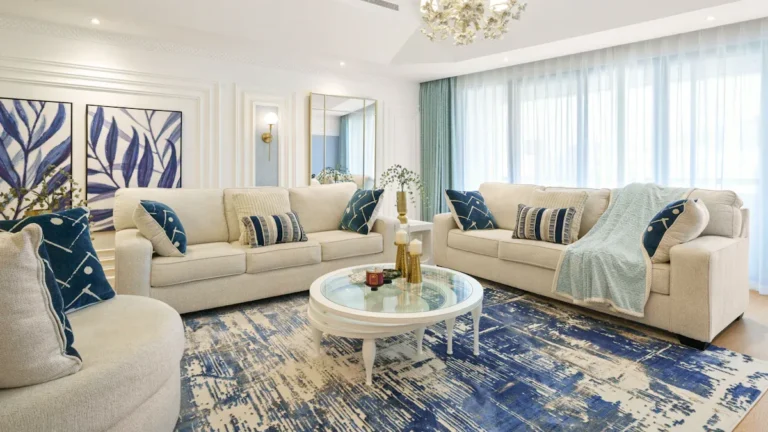
When you select the right size rug, make sure it complements your furniture. Ideally, the front legs of your sofa and chairs should sit on the rug. This creates a cohesive look and helps define the seating area. Also, leave plenty of room around the edges of the rug to avoid a cramped feel.
By paying attention to these size relationships, you can ensure that your decorative accessories enhance your space rather than overwhelm it. Remember, the goal is to create a comfortable and inviting environment that reflects your style.
Scale in Accessories
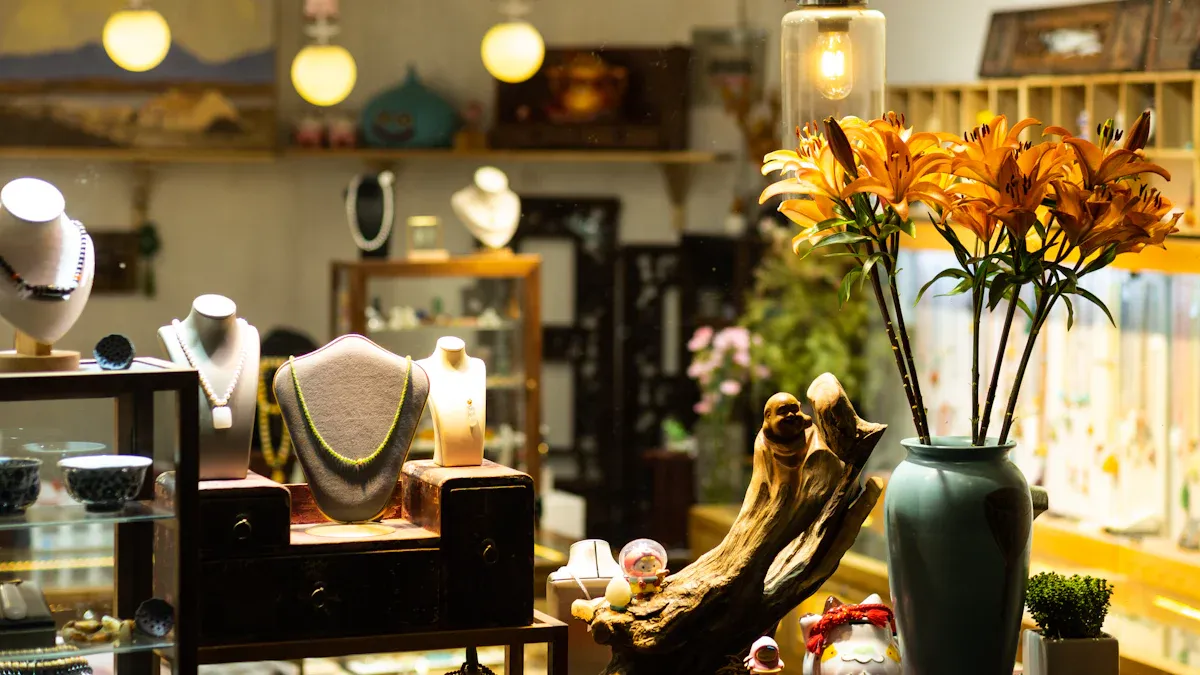
Creating Visual Harmony
Creating visual harmony in your space is all about how you arrange your decorative accessories. When you mix different textures and materials, you enhance visual interest and depth. Here are some strategies to achieve that harmony:
Mix textures: Combine smooth and rough surfaces to create a dynamic look.
Vary finishes: Use both glossy and matte finishes to add dimension.
Incorporate diverse materials: Blend wood, metal, and fabric to maintain a cohesive feel.
These techniques help unify different design elements through color, texture, and theme. They create a sense of flow and organization, making your space feel more inviting.
Accessories in Relation to Each Other
The relationship between your accessories matters just as much as their individual sizes. When you arrange them thoughtfully, you can introduce focal points and balance bold and subtle elements within a room. Here are some tips to consider:
Use a consistent color palette: This can harmonize a space filled with contrasting elements.
Balance bold and subtle pieces: Ensure that statement items don’t overpower the room.
Create decorative vignettes: Group accessories in odd numbers for a more natural look.
By mixing scales on purpose, you can create visual interest without overwhelming your space. Accessories help regulate the balance between statement pieces and more subtle elements, ensuring visual harmony throughout your home.
Remember, the goal is to create a cohesive environment that reflects your style while remaining functional and inviting.
Practical Examples
Examples in Different Settings
When you think about decorative accessories, consider how they can transform a space. Here are some well-chosen accessories that work beautifully in living rooms:
Rugs
Mirrors
Plants
Reflective accents like mirrored coffee tables or metallic finishes
Eye-catching wall decor such as large-scale abstract paintings or gallery walls
Sculptural pieces made of metal or wood
These items not only enhance the room’s aesthetic but also demonstrate the importance of size and scale. For instance, a large rug can anchor a seating area, while a mirror can create the illusion of more space.
Illustrating Size and Scale Principles
Different settings require different approaches to accessory choices. Here’s a quick comparison between residential and commercial spaces:
Aspect | Residential Choices | Commercial Choices |
|---|---|---|
Material Selection | Cozy textiles for comfort | Durable materials for maintenance |
Finish Options | Softer, inviting finishes | Robust materials for heavy use |
Color Palettes | Warm tones for comfort | Colors reflecting brand identity |
Furniture Styles | Comfort and personal expression | Functionality and space efficiency |
Lighting Fixtures | Enhancing ambiance | Meeting energy efficiency requirements |
Wall Treatments | Reflecting personal style | Supporting overall design vision |
Designers often use size and scale principles to solve common decorating challenges. They mix elements of different scales to create harmony. For example, in large rooms, they might use high cornices and oversized furniture to acknowledge the space’s scale. In contrast, residential scale elements help you feel comfortable and less dwarfed.
By understanding these principles, you can make informed choices that enhance your space, ensuring that your decorative accessories fit perfectly within your design vision.
In summary, understanding size and scale is crucial when choosing decorative accessories. Here are some key takeaways:
Scale helps you achieve visual harmony and balance in your space.
The size of your accessories should match your furniture and room dimensions.
Oversized pieces work well in large rooms to prevent them from feeling empty.
By applying these principles, you can create a cohesive and appealing environment. Remember, a well-executed use of scale enhances your space’s visual appeal. So, go ahead and experiment with these ideas in your decorating projects!
FAQ
What is the difference between size and scale in decor?
Size refers to the actual dimensions of decorative items, while scale relates to how those items fit within the overall space. Understanding both helps you create a balanced and harmonious environment.
How do I choose the right size for accessories?
Aim for accessories that complement your furniture. For example, choose items that are two-thirds the length of your sofa or one-third the size of an accent chair to maintain balance.
Can I mix different sizes of accessories?
Absolutely! Mixing sizes adds interest to your decor. Just ensure that the differences aren’t too drastic to maintain visual harmony and balance in your space.
How does visual weight affect my decor choices?
Visual weight refers to how heavy or light an object appears. Balancing heavier items with lighter ones creates harmony and enhances the overall aesthetic of your space.
What are some common mistakes when choosing decorative accessories?
Common mistakes include overcrowding small spaces with tiny items or using oversized pieces in small rooms. Always consider the size of your accessories in relation to the room and furniture.