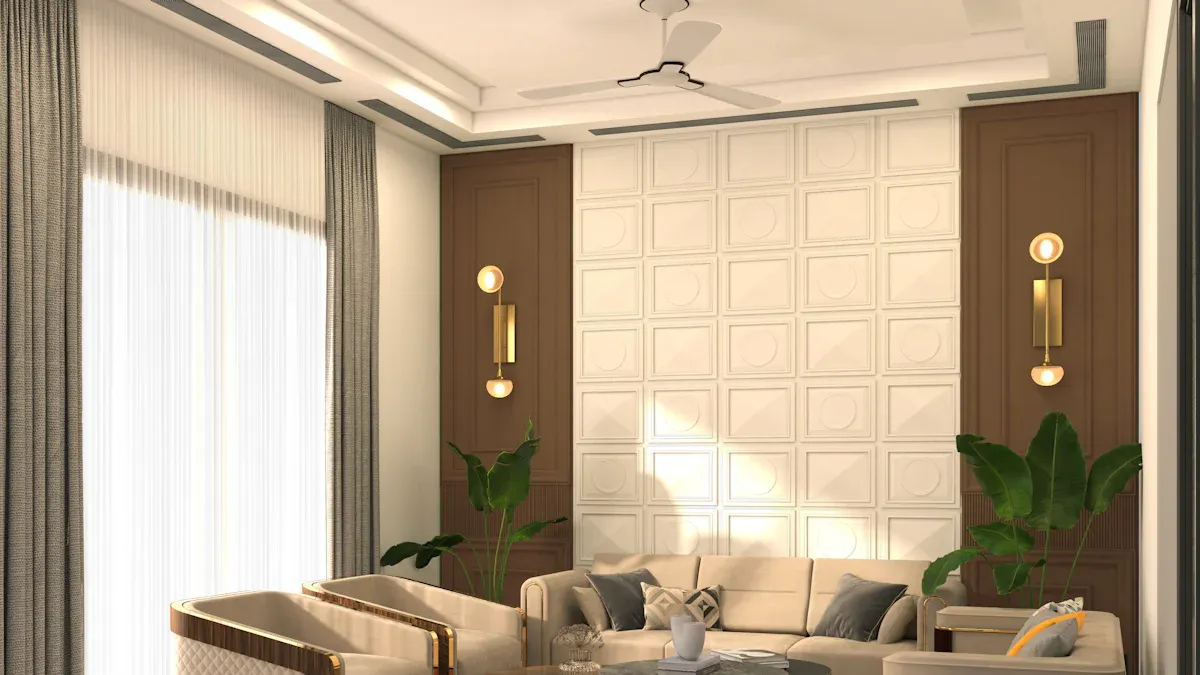
Texture plays a vital role in home décor, as it significantly improves the overall aesthetic of your spaces. It adds depth and interest, making them feel more inviting. Think about how a rough stone wall or a soft velvet cushion can change the vibe of a room. Research shows that tactile experiences enhance the perceived value of a space. When you interact with different textures, you create emotional connections that suggest quality and comfort. This connection can make your home feel more appealing and cozy, ultimately proving that texture improves the ambiance of your living environment.
Key Takeaways
Texture adds depth and interest to your home, making spaces feel more inviting and dynamic.
Mixing different textures can enhance comfort and create a cohesive look throughout your home.
Layering textures effectively can stimulate the senses and contribute to a room’s character.
Soft textures promote relaxation, while hard textures add sophistication; balance both for a harmonious design.
Experimenting with various textures can lead to a happier and more comfortable living environment.
Texture’s Role in Design
Creating Depth and Interest
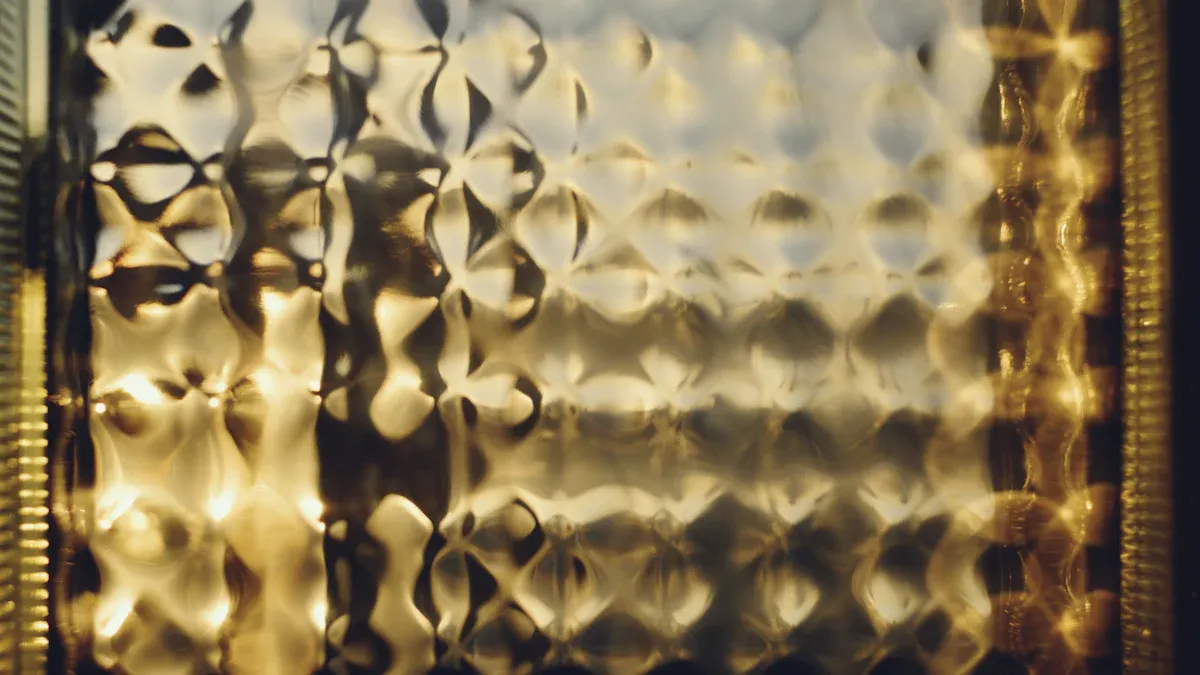
Texture plays a crucial role in adding depth and dimension to your home. When you incorporate different textures, you create layers that draw the eye and invite exploration. For instance, a smooth leather sofa paired with a chunky knit throw can create a striking contrast. This combination not only adds visual interest but also makes the space feel more dynamic.
Research supports this idea. A study shows that wall texture can affect how spacious a room feels. Here’s a quick look at some key findings:
Hypothesis | Description |
|---|---|
1 | Wall texture affects the observer’s perception of spaciousness in indoor space. |
2 | The influence of wall texture changes according to the room size (observation distance). |
3 | The degree of influence of wall textures on the spaciousness of indoor space is dependent on the associated meaning of texture (material). |
Professional designers agree that texture improves the overall design. They note that it adds visual weight and contrast, helping to define spaces. For example, textured walls can make a room feel more inviting and cohesive. Here are some ways to use texture effectively:
Use textured walls to create visual weight and balance in a room.
Incorporate textured accessories to introduce warmth and interest without overwhelming the space.
Add texture to walls and ceilings with materials like wallpaper or wood panels to enhance depth.
Enhancing Comfort and Cohesion
Texture also plays a significant role in enhancing comfort and creating a cohesive look in your home. Soft textures, like plush cushions and cozy blankets, evoke feelings of safety and relaxation. Neuroscience suggests that tactile comfort can alleviate stress and anxiety, making your home a sanctuary.
Consider these points about texture and comfort:
Texture significantly influences mood and emotional connection to a space.
Soft textures enhance feelings of safety and warmth.
A home with varied textures can create a sense of restoration.
To achieve cohesion, think about how different textures can link various spaces in your home. For example, using linen curtains and textured rugs can create a layered and inviting atmosphere. Layering various textures and patterns contributes to a cozy environment. A well-chosen area rug can unify a space, enhancing its overall cohesion.
Incorporating texture into your interior design not only improves the aesthetic but also enriches your living experience. By thoughtfully mixing textures, you can create a home that feels both stylish and comfortable.
Texture Types for Interior Design
Soft and Tactile Textures
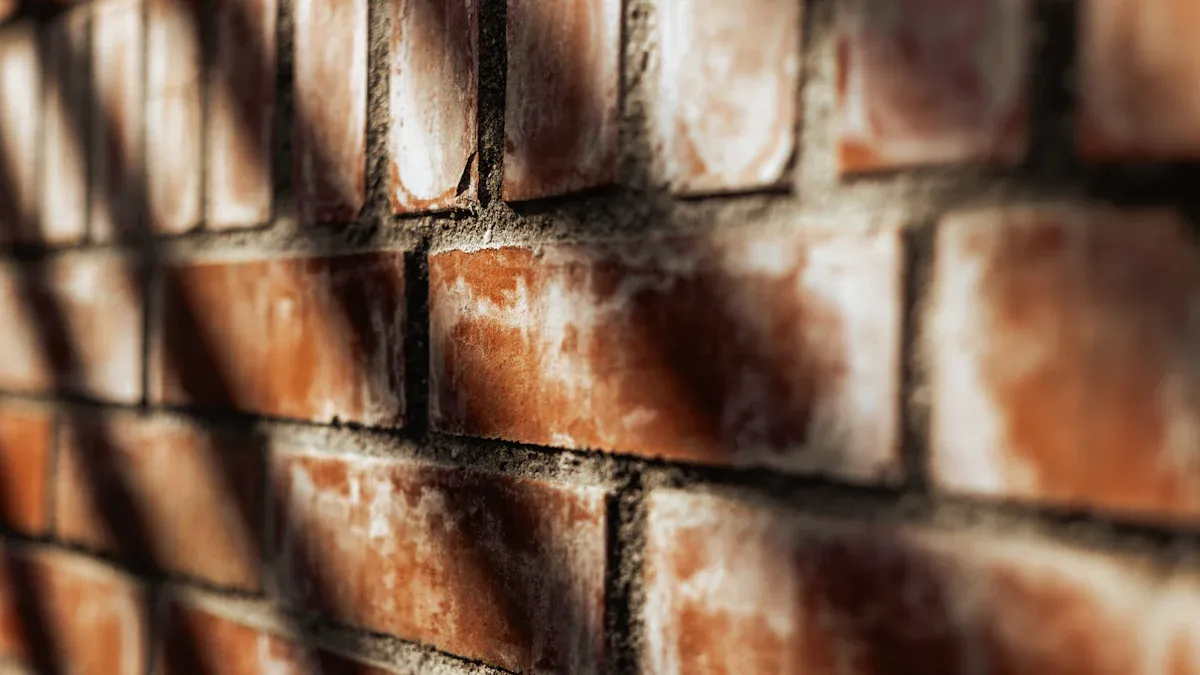
Soft textures bring warmth and comfort to your home. They engage your senses and create inviting spaces. Think about how a plush chenille throw or a cozy wool rug can transform a room into a cozy sanctuary. Here are some popular soft textures you might consider:
Woven fabrics like boucle and linen add a touch of elegance.
Natural elements such as rattan and jute introduce organic warmth.
Leather and suede offer a luxurious feel while remaining durable.
These textures not only enhance comfort but also promote emotional well-being. They can reduce anxiety and create a sense of safety. When you incorporate soft textures, you invite relaxation into your space. For instance, layering soft textiles on furniture can define areas meant for unwinding.
Tip: Mix different soft textures to create a layered look. A combination of cushions, throws, and rugs can add depth and visual interest to your interior design.
Hard and Sleek Textures
On the other hand, hard and sleek textures contribute a modern and sophisticated vibe to your home. These materials often feature clean lines and polished surfaces, making them perfect for contemporary designs. Here are some defining characteristics of hard textures:
Metal and glass create a sleek, modern aesthetic.
Polished wood adds warmth while maintaining a sophisticated look.
Concrete offers an industrial edge that can be both stylish and functional.
Incorporating these textures can visually alter the size and shape of a room. For example, smooth surfaces can enhance spaciousness, while rough textures can create a cozy atmosphere. You might find that combining hard textures with soft ones, like placing a woolen throw over a leather couch, enhances both comfort and visual experience.
Texture Type | Characteristics | Applications |
|---|---|---|
Chenille | Plush and soft, ideal for a relaxed atmosphere. | Sofas and cushions |
Cotton | Breathable and versatile, easy to maintain. | Bedding and casual upholstery |
Wood | Warm, organic texture, can be smooth or rough. | Furniture and flooring |
Stone | Durable with natural variations, rugged texture. | Countertops and feature walls |
Concrete | Modern and industrial, can be smooth or rough. | Contemporary designs |
Brass and Gold | Adds warmth and luxury, often used in fixtures. | Decorative accents |
Stainless Steel | Clean and modern look, commonly used in kitchens. | Kitchen and bathroom fixtures |
Copper | Unique, artistic touch with a warm hue. | Decorative elements |
Bamboo | Sustainable and stylish, adds unique texture. | Flooring and accent pieces |
Rattan | Lightweight and versatile, adds a tropical feel. | Furniture and accessories |
Geometric Patterns | Clean lines and shapes for a modern look. | Rugs and wallpapers |
Floral Patterns | Traditional or whimsical touch, adds romance and elegance. | Fabrics and decorative elements |
By mastering texture in your interior design, you can create spaces that feel balanced and stylish. Remember, the importance of texture lies in its ability to evoke emotions and enhance the overall aesthetic of your home.
Combining Textures Effectively
Layering Textures
Layering texture is a fantastic way to create a rich and inviting atmosphere in your home. When you mix different textures, you add depth and visual interest to your space. Here are some tips to help you layer textures effectively:
Combine sheer linen panels with heavier drapes for depth.
Add a bamboo shade underneath fabric curtains to control light and privacy.
Use textured wall decor like macrame hangings and 3D wall panels to add life.
Stick to a color palette to avoid chaos; neutrals help textures shine.
Apply the rule of three by selecting three main textures to create a cohesive design.
Don’t forget the ceiling; textured finishes can elevate a space.
Ensure every texture has a purpose, whether for warmth or visual interest.
Balance smooth and rough textures to maintain harmony in the room.
Layering texture not only enhances the aesthetic but also creates a sensory experience that promotes comfort and warmth. For instance, a plush rug on hardwood floors adds warmth and luxury, while mixing pillows of different materials like velvet and silk creates visual interest.
Achieving Visual Balance
Achieving visual balance is crucial when combining multiple textures. Here are some strategies to help you create a harmonious look:
Define Your Focal Point: Identify a focal point in the room where patterns and textures can shine.
Remember the Colour Scheme: Select colors that complement each other and repeat them throughout your different patterns and textures.
Balance Boldness and Subtlety: Strike a balance between bold and subtle patterns to ensure a well-rounded design.
Explore Textural Contrast: Mix smooth and rough textures to add depth and interest to the space.
Layer Different Materials: Experiment with layering textiles and materials to create an inviting atmosphere.
By integrating texture and color thoughtfully, you can create a cohesive look that feels both stylish and comfortable. Remember, the key to successful interior design lies in how well you combine and balance different textures.
Using Texture in Different Rooms
Living Room Ideas
Your living room is the heart of your home, and texture can elevate its style and comfort. Here are some ideas to incorporate texture effectively:
Use trays to organize decor items while adding texture.
Mix shapes in your decor. Pair a tall lamp with a short one for visual interest.
Style throw blankets on your sofa to enhance its appearance.
Introduce black decor elements to provide contrast and visual weight.
Matte textures create a cozy ambiance, making your living room feel intimate. On the other hand, light and reflective textures can make the space feel larger by bouncing light around. You can also use visual textures, like patterned wallpaper, to add depth without needing to touch them. This variety allows you to express your style and create a unique living environment.
Bedroom Inspirations
Your bedroom should be a sanctuary, and texture plays a key role in achieving that. Here are some popular texture applications to consider:
Wood-Look Plank Textures
Marble-Effect Wall Textures
Concrete-Finish Bedroom Wall Textures
Fabric or Linen-Effect Textures
Subtle 3D Geometric Wall Textures
Brick-Look Textured Feature Walls
High-Gloss Reflective Wall Finishes
Stone-Effect Bedroom Wall Textures
Abstract Texture Paint Designs for Walls
Patterned Decorative Texture Tiles
These textures can transform your bedroom into a cozy retreat. Soft fabrics and warm hues create a welcoming atmosphere, while sleek finishes can add a modern touch. Mixing these elements allows you to find the perfect balance between comfort and style.
Kitchen Textures
In the kitchen, texture can enhance both functionality and aesthetics. Here are some innovative ways to incorporate texture:
Layer textures by combining different materials for visual interest.
Add contrast with glossy surfaces paired with matte finishes.
Embrace natural materials like wood and stone for a grounded feel.
Consider key areas and small accents to introduce textures in both large surfaces and accessories.
For example, you can choose cabinets with varied finishes, like matte or glossy, to enhance the overall look. Backsplashes made from natural stone or glossy tiles can provide unique tactile experiences. Countertops can range from smooth quartz to textured leathered granite, creating a rich interplay of surfaces. This thoughtful use of texture adds depth and personality to your kitchen, making it a warm and inviting space.
Incorporating texture into your home décor offers numerous benefits. It enhances the overall aesthetic appeal, creates a welcoming environment, and adds warmth and luxury. By layering different textures, you can stimulate the senses and contribute to the room’s character. Remember, 70% of homeowners feel happier after renovating their spaces, and 74% report increased comfort levels. So, don’t hesitate to experiment with various textures in your design. Your living space deserves that unique touch!
Tip: Aim for balance by mixing textures without overwhelming your design.
FAQ
What is texture in home décor?
Texture refers to the surface quality of materials in your home. It can be soft, hard, smooth, or rough. By incorporating various textures, you can create depth and interest in your spaces.
How can I add texture to my living room?
You can add texture by mixing materials like plush cushions, woven throws, and textured rugs. Consider using different finishes on furniture and decor items to create a layered look that feels inviting.
Why is texture important in design?
Texture enhances the visual appeal of a space. It adds depth, warmth, and character, making your home feel more inviting. Different textures can also influence mood and create a sense of comfort.
Can I mix different textures?
Absolutely! Mixing textures can create a dynamic and interesting space. Just ensure you maintain a cohesive color palette to avoid overwhelming the design. Balance soft and hard textures for the best effect.
How do I choose the right textures for my space?
Consider the mood you want to create. Soft textures promote comfort, while hard textures add sophistication. Think about the function of the room and choose textures that enhance both style and usability.