Mix decorative accessories to completely change the vibe of your space. It’s all about expressing your personality and style. When you combine different pieces, you create a unique look that reflects who you are. Don’t be afraid to experiment! Try out various combinations of decorative accessories and see what resonates with you. Remember, there are no strict rules—just let your creativity flow and have fun with it! 🎨
Key Takeaways
Mix different decorative accessories to express your unique style and personality.
Achieve balance by understanding scale and proportion; pair large items with smaller ones for harmony.
Use a well-thought-out color palette to enhance visual appeal; consider the 60-30-10 rule for color distribution.
Incorporate a variety of textures to create depth and interest in your decor.
Layer accessories thoughtfully to add visual interest and maintain balance in your space.
Basics of Mixing Accessories
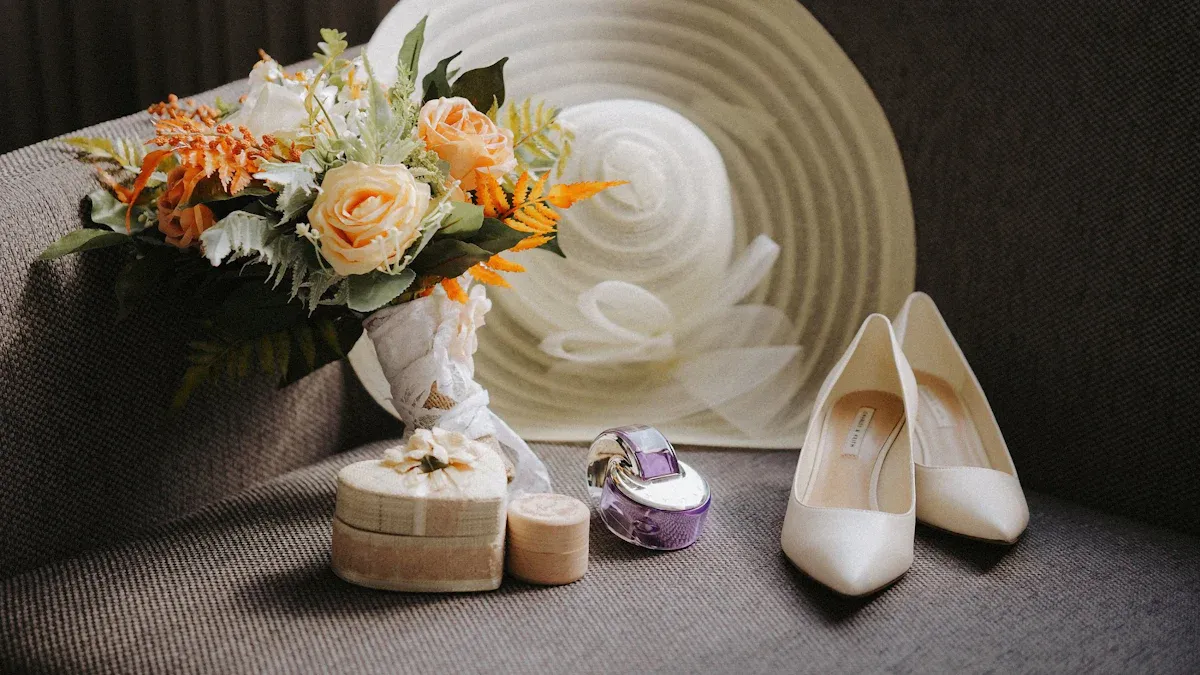
When you mix decorative accessories, understanding balance and scale is crucial. These principles help you create a harmonious look that feels right in your space. Let’s break down these concepts.
Balance and Scale
Balance refers to how you distribute visual weight in a room. You can achieve balance in three main ways:
Type of Balance | Description | Quick Tip |
|---|---|---|
Symmetrical Balance | Involves identical objects creating a mirror image, providing visual stability and order. | Use in entryways, mantels, or bedrooms for a clean look. |
Asymmetrical Balance | Uses different objects with the same visual weight, adding interest and personality to the design. | Step back and squint to check if it feels balanced. |
Radial Balance | Centers around a focal point, creating unity and elegance, often used in circular layouts. | Ideal for high ceilings or open layouts to anchor the space. |
Scale refers to the size of your accessories in relation to each other and the space. Large items can dominate a room, while smaller pieces can get lost. Always consider the size of your accessories in relation to the furniture and the room itself.
Proportion in Design
Proportion is about the relationship between the sizes of different elements. When you mix decorative accessories, aim for a pleasing proportion. For example, if you have a large vase, pair it with smaller items to create a balanced look.
Remember, mixing decorative accessories is about finding what works for you. Play around with different combinations, and don’t hesitate to adjust until you find the perfect balance and proportion that suits your style!
Color Palette for Accessories
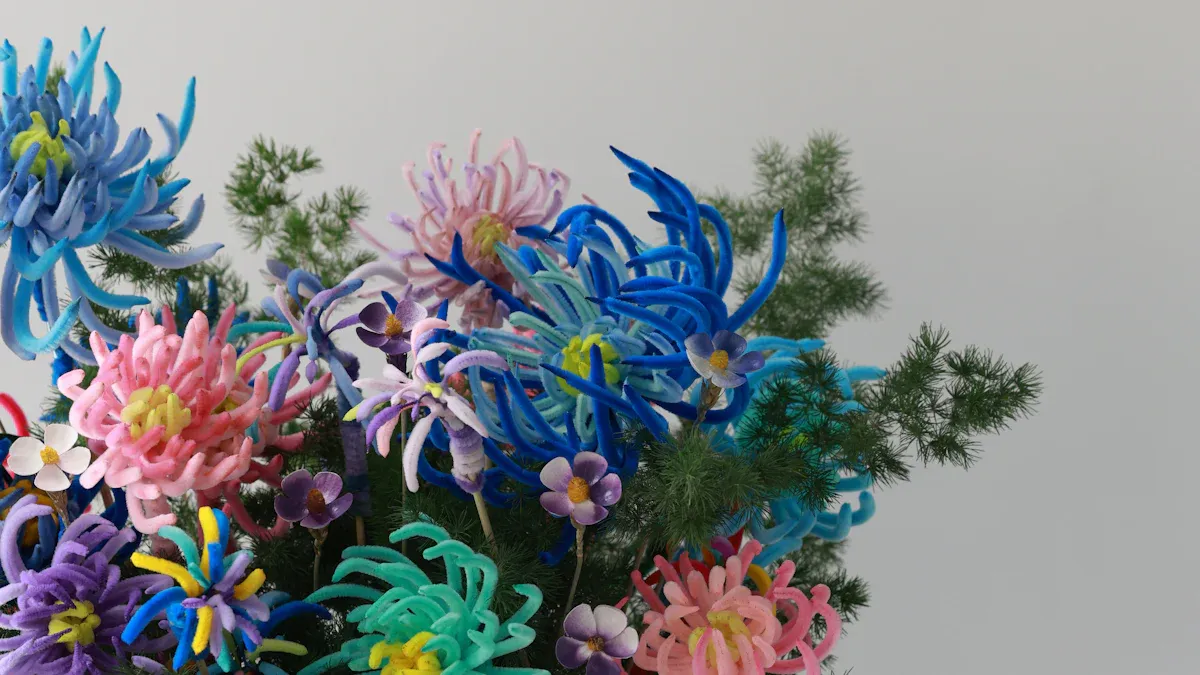
Choosing the right colors for your decorative accessories can make a huge difference in your space. A well-thought-out color palette not only enhances the visual appeal but also reflects your personal style. Let’s dive into how you can choose complementary colors and create visual harmony in your home.
Choosing Complementary Colors
Complementary colors are those that sit opposite each other on the color wheel. When you mix decorative accessories using these colors, you create a vibrant and dynamic look. Here are some effective methods to help you select a color palette:
Rule of 3: Limit your color palette to three colors. This creates a bold statement and allows the colors to complement each other beautifully.
60-30-10 Ratio: Use this ratio to allocate 60% for the dominant color, 30% for the secondary color, and 10% for an accent color. This balance keeps your space visually appealing.
Use the Color Wheel: Choose colors next to each other for a soothing effect or go for complementary colors for a more energetic atmosphere.
Decorate From Dark To Light: Start with darker colors at the bottom and lighter colors at the top. This creates a smooth visual transition that feels natural.
Reflect Your Personal Style: Your space should resonate with you. Choose colors that reflect your personality, just like you do with your clothing choices.
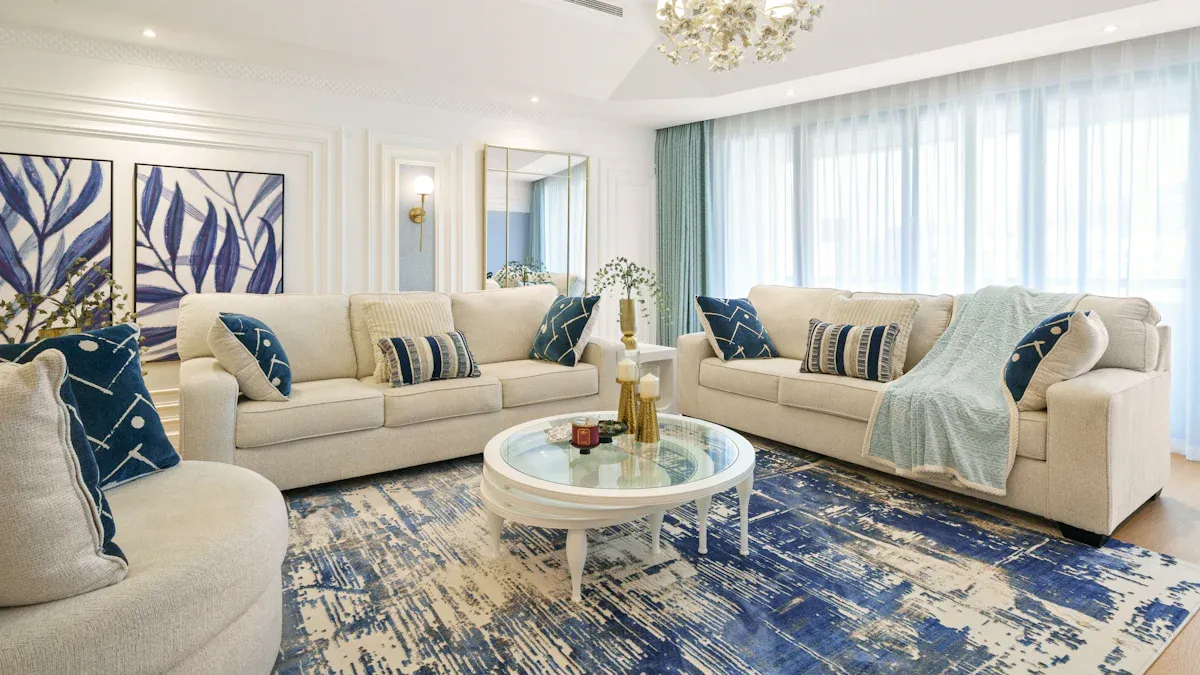
Using complementary colors can enhance the visual appeal of your decorative accessories. For example, pairing warm oranges with cool blues creates a lively atmosphere. This contrast draws attention to specific elements in a room, making them stand out against neutral backgrounds.
Creating Visual Harmony
Creating visual harmony involves balancing colors in a way that feels cohesive. Here are some tips to help you achieve this:
Balanced Interaction: Ensure that the colors you choose interact well together. This balance enhances the overall effectiveness of your decor.
Consider the Color Wheel: Use the color wheel as a guide. It illustrates the relationships between primary, secondary, and tertiary colors, helping you select harmonious schemes.
Avoid Monotony: Using the same color in every room can make your home feel dull. Instead, mix different colors or patterns to give each room its own personality.
Assess Overall Palette: Before adding colorful accessories, consider the overall palette of the room. This prevents the colors from feeling forced or out of place.
By thoughtfully mixing decorative accessories with a well-chosen color palette, you can create a space that feels both inviting and stylish. Remember, the goal is to express yourself while maintaining a sense of harmony throughout your home.
Mix Decorative Accessories with Textures
When you mix decorative accessories, texture variety plays a vital role in creating a visually appealing space. Different textures can transform a flat arrangement into a dynamic one, making your decor come alive. Let’s explore why varying textures is essential and how it adds depth to your home.
Importance of Texture Variety
Mixing textures is crucial for several reasons:
Tactile Interest: Combining smooth and rough textures adds depth and engages the senses. Imagine the contrast between a sleek glass vase and a rustic wooden table. This interplay creates a more inviting atmosphere.
Visual Appeal: A balance of hard and soft textures prevents a room from feeling cold or lacking structure. For instance, pairing a plush velvet throw with a metal accent piece can create a cozy yet modern vibe.
Cohesive Theme: Different textures help establish a cohesive theme or style within a space. Whether you lean towards a rustic farmhouse look or a sleek modern aesthetic, the right textures can reinforce your design vision.
Multi-Dimensional Environment: Mixing textures creates a multi-dimensional environment that engages the senses. You can evoke feelings of warmth and comfort with soft fabrics while adding sophistication with harder materials.
Here’s a quick look at some popular texture types you might consider incorporating into your decor:
Texture Type | Description |
|---|---|
Grasses | Adds a natural aesthetic; examples include millet seteria, sea oats, and broom corn. |
Flowering Textures | Includes marigolds, dahlias, sunflowers, and zinnias, known for their textural qualities. |
Unique Textures | Features like amaranthus, echinacea pods, and coxcomb create contrast and visual interest. |
Airy Elements | Grasses and foliage create a sense of space and lightness in arrangements. |
Cost-effective Textures | Using a variety of textures can add fullness without relying on mass blooms. |
Adding Depth to Decor
Incorporating different textures adds depth to your room’s decor in several ways:
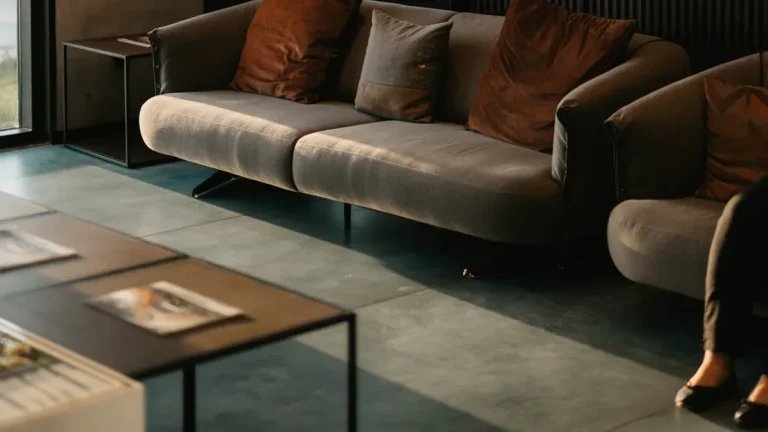
Layering Materials: Mixing various materials and finishes, such as soft fabrics with hard surfaces, creates a layered and visually appealing environment. For example, a velvet sofa paired with leather cushions can add richness to your living space.
Light and Shadow Play: The interplay of light and shadow on textured surfaces enhances the depth of the decor. Textured walls or fabrics can catch light differently, creating a dynamic look that changes throughout the day.
Complexity and Liveliness: Layering different types of textures adds complexity and liveliness to a room. Think about how a chunky knit blanket draped over a sleek chair can create a cozy yet stylish focal point.
Experts note that the careful selection and combination of textures can significantly affect the emotional atmosphere of a space. Soft fabrics can make a room feel inviting and comfortable, while hard materials provide structure and durability. This thoughtful use of texture can promote positive emotions and well-being, making your home a sanctuary.
As you mix decorative accessories, remember to experiment with various textures. This approach not only enhances the visual interest of your space but also creates an environment that feels warm and welcoming.
Layering for Visual Interest
Layering decorative accessories adds depth and visual interest to your space. It’s a fun way to showcase your style while creating a curated look. Here are some effective techniques to help you layer like a pro:
Techniques for Layering
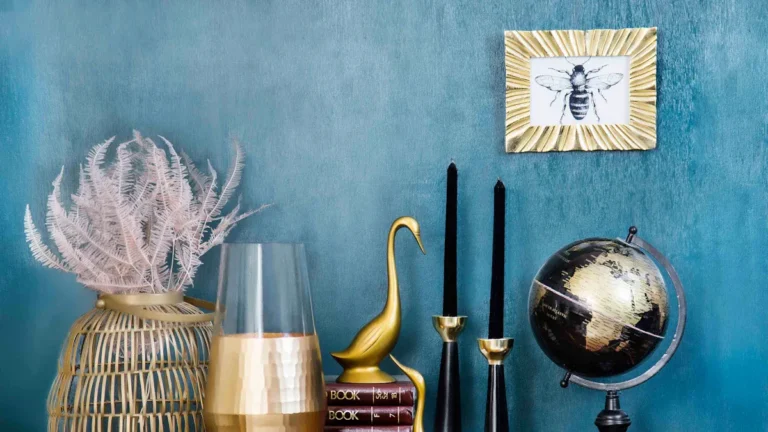
Start with the Largest Piece: Begin with your biggest accessory, like a statement vase or a large piece of art. Build around it with smaller items to create a balanced arrangement.
Mix Textures: Combine soft and hard textures. For example, place a fluffy knit throw over a sleek leather chair. This contrast adds richness to your decor.
Vary Heights: Use items of different heights. Stack books to elevate smaller pieces or use candlesticks of varying heights on a mantel. This creates visual movement and keeps the eye engaged.
Embrace Asymmetry: Arrange items off-center for a modern look. Asymmetrical arrangements feel more dynamic and can add personality to your space.
Use Odd Numbers: Group items in odd numbers, especially threes. This technique creates a more appealing visual arrangement and feels more natural.
Add Personal Touches: Incorporate items that tell your story, like family photos or unique souvenirs. These personal touches make your space feel inviting and authentic.
Seasonal Changes: Refresh your accessories with the seasons. This keeps your decor feeling fresh and engaging throughout the year.
Layering not only enhances visual interest but also helps achieve balance and symmetry in your design.
Achieving Balance and Symmetry
Layering combines both symmetry and asymmetry, creating a rich visual language. Symmetrical arrangements provide a stable framework, while asymmetrical accents introduce personality and movement. This combination enhances the overall harmony of your space, making it feel curated yet intuitive.
Remember, layering is about playing with scale and proportion. Pair oversized vases with smaller trinkets to create a dynamic look. This adds visual movement and creates an expertly curated effect.
So, as you mix decorative accessories, don’t shy away from layering. It’s a powerful tool to elevate your decor and express your unique style!
Creating Focal Points
Creating focal points in your decor can dramatically enhance the overall look of your space. A well-placed focal point draws the eye and sets the tone for the room. Let’s explore how to establish a strong centerpiece and the importance of secondary focal points.
Establishing a Centerpiece
To create a stunning centerpiece, follow these key steps:
Start with the Basics: Begin with a foundational piece like a tray or lantern. This serves as the base for your arrangement and helps maintain balance.
Add Variety: Incorporate decorations of different styles, textures, and heights. This variety creates visual interest and keeps the arrangement dynamic.
Go Seasonal: Update your centerpiece with seasonal elements. This not only reflects the changing times but also keeps your decor fresh and appealing.
By focusing on these steps, you can establish a centerpiece that captures attention and enhances your space.
Using Secondary Focal Points
While your primary focal point grabs attention, secondary focal points play a crucial role in supporting the overall design. Here’s how they contribute:
Visual Interest: Secondary focal points create additional layers of interest in a room. They prevent the space from feeling flat and encourage exploration.
Guiding the Eye: These points help guide the viewer’s eye through the space, creating a natural flow. This movement makes the room feel more cohesive.
Supporting the Primary Focal Point: Secondary focal points complement the primary one, enhancing the overall design. For example, if your staircase is the main focal point, a two-sided fireplace can serve as a beautiful secondary focal point, adding warmth and inviting atmosphere.
When you manage balance and proportion well, your focal points become even more appealing. Balance creates stability, while proportion ensures that all elements fit well together. This harmony attracts attention without overwhelming the viewer.
Incorporating focal points into your decor not only enhances visual appeal but also creates a welcoming environment. So, as you mix decorative accessories, remember to establish both primary and secondary focal points for a beautifully curated space!
Common Mistakes to Avoid
When it comes to mixing decorative accessories, avoiding common mistakes can make a big difference in your space. Let’s look at two major pitfalls: overcrowding and ignoring scale and proportion.
Overcrowding Accessories
Overcrowding your space with too many accessories can lead to a cluttered and cramped atmosphere. Here are some reasons to keep it simple:
Cluttered Look: Too many items can overwhelm a room, making it feel chaotic.
Stress and Focus: Excessive clutter can lead to stress and make it hard to focus on what you love about your decor.
Negative Space: Allowing for negative space creates an open and inviting feel. It’s essential to choose meaningful and functional pieces that enhance your decor.
Instead of filling every inch, focus on a few standout items that truly reflect your style. This approach not only looks better but also makes your space feel more curated.
Ignoring Scale and Proportion
Ignoring scale and proportion can disrupt the balance of your room. Here’s why it matters:
Cramped Atmosphere: Oversized items can make a room feel small, while tiny pieces may leave it looking incomplete.
Cohesive Environment: Using furniture that doesn’t match the scale of the space can throw off the overall balance.
To avoid these issues, always consider the size of your accessories in relation to your furniture and the room itself. For example, if you have a large sofa, pair it with larger decorative items to create harmony.
By steering clear of overcrowding and paying attention to scale, you can create a beautifully balanced space that feels just right. Remember, quality over quantity is key!
Mixing decorative accessories is all about expressing your unique style. Here are some key takeaways to remember:
Embrace Simplicity: Balance simple and ornamental pieces for a cohesive look.
Comfort Matters: Choose items that make you feel at home.
Mix Modern with Rustic: Blend contemporary designs with rustic elements for depth.
Use Neutrals with Color Pops: Neutral backgrounds allow colorful accessories to shine.
Bring Nature Indoors: Incorporate natural elements for a refreshing vibe.
As you explore different combinations, remember that your home should reflect your personality. Personal objects and keepsakes can create emotional connections, making your space truly yours. So, have fun experimenting! Your journey in mixing accessories is all about what resonates with you. 🎨
FAQ
What are the best accessories to mix in my decor?
You can mix vases, books, art pieces, and plants. Choose items that reflect your style and vary in height, color, and texture for a dynamic look.
How do I choose a color palette for my accessories?
Start with three main colors using the 60-30-10 rule. Use complementary colors for vibrancy or analogous colors for a soothing effect.
How can I avoid overcrowding my space with accessories?
Select a few standout pieces that resonate with you. Leave some negative space to create an open, inviting atmosphere.
What textures should I include in my decor?
Incorporate a mix of soft and hard textures. Think about combining fabrics like velvet with materials like wood or metal for visual interest.
How often should I change my decorative accessories?
Consider updating your accessories seasonally or whenever you feel your space needs a refresh. This keeps your decor feeling fresh and engaging.