
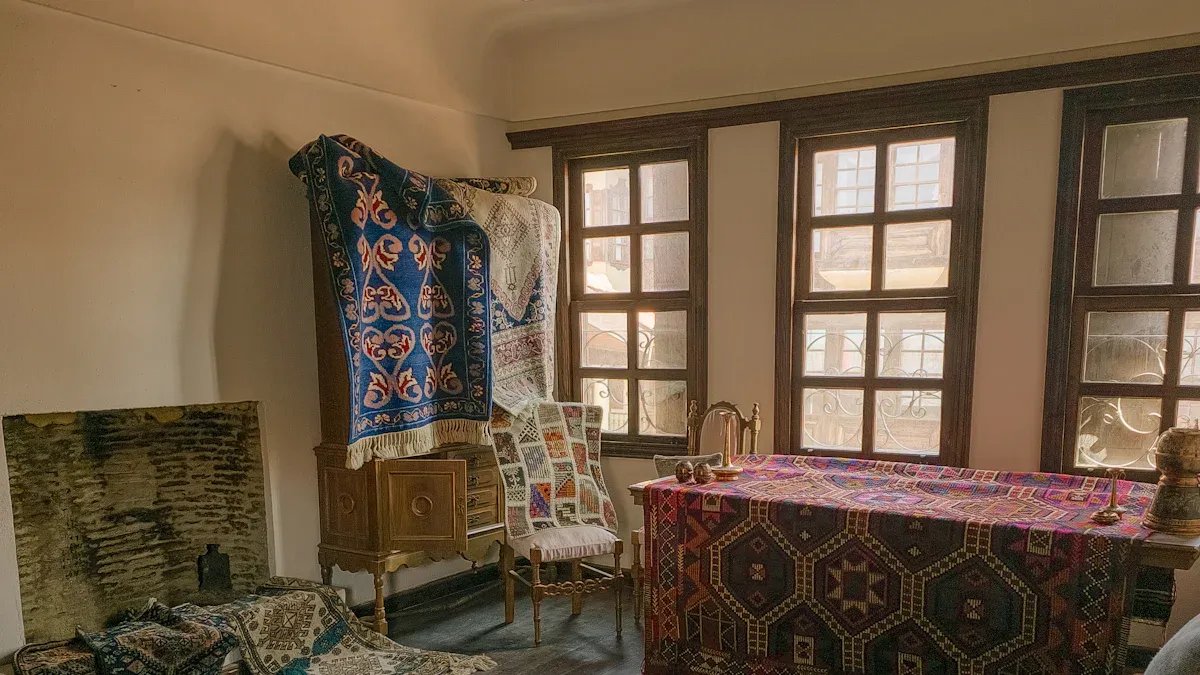
When you think about home décor, two styles often come to mind: modern and traditional. Each has its own charm and appeal. Modern home décor emphasizes simplicity, clean lines, and functionality. In contrast, traditional styles focus on rich textures, ornate details, and warmth. Understanding these differences helps you make better choices for your space. Whether you lean toward a sleek, minimalist look or prefer the cozy feel of classic furnishings, knowing what each style offers can guide your decisions.
Key Takeaways
Modern décor emphasizes minimalism, clean lines, and functionality, creating a serene and uncluttered environment.
Traditional décor focuses on warmth, rich textures, and ornate details, making spaces feel cozy and inviting.
Open-concept layouts in modern design maximize natural light and enhance social interactions, while traditional designs offer defined spaces for privacy.
Mixing modern and traditional elements can create a unique home that reflects your personal style and enhances comfort.
Consider your lifestyle and space layout when choosing between modern and traditional styles to ensure a harmonious design.
Modern Home Décor Features

Minimalism and Color
Modern home décor thrives on the principles of minimalism. This style embraces simplicity, allowing you to create a serene and uncluttered environment. Here are some key aspects of minimalism and color in modern design:
Muted Color Palettes: Designers often favor earthy hues like terracotta, ochre, and olive. These colors connect you to nature and create a calming atmosphere. You might also notice a shift towards moody palettes featuring deep, smoky blues and muted ochres, often described as ‘color/non-color’.
Warm Neutrals: Shades of brown and other warm neutrals are becoming increasingly popular. They offer a sophisticated touch compared to past trends, making your space feel inviting and cozy.
Minimalism also emphasizes the use of light and natural materials. This approach creates a sense of openness in your home, enhancing comfort and aesthetic appeal. Here are some benefits of minimalism:
It promotes a serene environment with neutral tones and unobtrusive design elements.
Functional furniture and layouts maximize light, making your space feel larger and more inviting.
Open Spaces and Layout
Open-concept designs are a hallmark of modern home décor. These layouts encourage social interactions and create a fluid connection between different areas of your home. Here’s why open spaces are so appealing:
Maximized Natural Light: Open layouts allow sunlight to flow freely, enhancing the overall ambiance and reducing the need for artificial lighting.
Improved Ventilation: These designs contribute to better indoor air quality, making your home feel fresh and comfortable.
Versatility: Open-concept homes are adaptable, increasing their economic value in the real estate market.
In modern design, clean lines and functional furniture play a crucial role. They contribute to an organized and visually appealing space. Consider these features:
Simple Silhouettes: Clean lines in furniture create a polished look that complements the minimalist aesthetic.
Multi-Functional Designs: Furniture that serves multiple purposes enhances utility while maintaining a sleek appearance.
By incorporating these elements, you can achieve a modern touch that reflects your personal style while ensuring comfort and functionality in your home.

Traditional Home Décor Features

Color Palettes and Textures
When you think of traditional home décor, warm and earthy color palettes often come to mind. These hues create a cozy atmosphere that invites you in. You might find rich reds, deep greens, and soft browns dominating the space. These colors work together to evoke a sense of comfort and nostalgia. Textures play a significant role too. Think about plush fabrics, intricate patterns, and layered textiles. These elements add depth and warmth to your home, making it feel lived-in and welcoming.
In traditional design, you’ll notice how different textures complement each other. For instance, a soft velvet sofa paired with a woven throw can create a beautiful contrast. This layering not only enhances visual interest but also adds a tactile experience that modern styles often overlook.
Ornate Furniture Styles
Ornate furniture styles define traditional décor. You’ll see pieces with intricate carvings, rich wood finishes, and elegant upholstery. These furnishings often serve as focal points in a room, showcasing craftsmanship and attention to detail. Unlike modern furniture, which tends to favor minimalism, traditional pieces celebrate artistry and history.
In traditional homes, segmented rooms create distinct areas for various activities. This design choice enhances privacy and separation, contributing to a more formal atmosphere. However, it can also hinder the natural flow between spaces. You might find that each room has its own character, making it easier to define your living areas.
By incorporating these traditional elements, you can create a home that feels both timeless and inviting, reflecting your personal style while honoring classic design principles.
Differences in Modern and Traditional Styles
Aesthetic Appeal
When you step into a home, the first thing that hits you is the aesthetic. Modern and traditional styles create very different emotional atmospheres.
Modern Aesthetics: You’ll notice clean lines and a minimalist approach. This style often uses a neutral color palette, which can make spaces feel calm and spacious. The focus is on simplicity, allowing you to appreciate the beauty of each piece without distractions.
Traditional Aesthetics: In contrast, traditional décor wraps you in warmth and nostalgia. Rich colors and intricate patterns create a cozy environment. The ornate details in furniture and textiles evoke a sense of history and craftsmanship.
Your surroundings send subtle emotional signals that influence how you feel. Thoughtful design choices, like drapes and carpets, can evoke specific emotions such as happiness and comfort. A home is more than just a physical space; it shapes your emotional environment.
While conventional home design often prioritizes appearance and function, emotional architecture goes deeper. It focuses on how spaces influence human emotions, mental health, and overall well-being.
Functionality and Space
Functionality is another area where modern and traditional styles diverge significantly.
Aspect | Modern Home Décor | Traditional Home Décor |
|---|---|---|
Space Layout | Open plan layouts | Clearly defined spaces |
Natural Light | Optimizes natural light | Limited by walls and doors |
Functionality | Multi-functional areas | Separate, distinct rooms |
Adaptability | Easily adaptable to varying needs | Fixed layouts with less flexibility |
Modern design emphasizes a ‘less is more’ philosophy. This results in clutter-free spaces and functional furniture that serves multiple purposes. You’ll find that modern homes often feature large windows and open layouts, enhancing the feeling of spaciousness.
On the other hand, traditional homes often have segmented rooms, which can enhance privacy but may limit the flow between spaces. Each room has its own character, making it easier to define living areas. However, this can sometimes feel restrictive compared to the versatility of modern designs.
Choosing Your Style: Modern vs Traditional
Personal Preferences
When deciding between modern and traditional styles, your personal preferences play a huge role. Think about what resonates with you. Here are some factors to consider:
Functionality and Lifestyle Fit: If you enjoy defined spaces, traditional homes might suit you better. On the other hand, if you prefer flexibility for multitasking and shared activities, modern designs could be your go-to.
Aesthetic Appeal: Do you lean towards sleek, minimalist furniture or rich, ornate pieces? Your style assessment can help you reflect on what you truly love.
Lifestyle Factors: If you have kids or pets, you might want robust traditional furniture that can withstand wear and tear.
Space Considerations
The size and layout of your home significantly impact your décor choices. Here’s what to keep in mind:
Open Floor Plans: Modern homes often feature open layouts that enhance natural light and create a sense of spaciousness. This design works well with modern traditional home elements, allowing for a seamless flow.
Compartmentalized Rooms: Traditional homes usually have distinct rooms, which can limit how you mix modern and traditional styles. Each room can have its own character, but it may feel restrictive.
Light and Airiness: Large windows in modern homes maximize natural light, making them feel vibrant and inviting. This is less common in traditional homes, where the layout can hinder the integration of décor elements.
By considering your personal preferences and the layout of your space, you can create a harmonious blend of modern traditional style that reflects your unique taste.
In summary, modern and traditional home décor each offer unique charm. Modern styles focus on minimalism and open spaces, while traditional designs emphasize warmth and ornate details. To create a cohesive look, consider these tips:
Blend Old and New Furniture and Decor: Mix ornate woodwork with clean lines.
Balance and Symmetry: Arrange items symmetrically for harmony.
Neutral Color Palette: Use neutral tones as a timeless backdrop.
Clean Lines: Opt for simple forms over intricate details.
Traditional Woodwork: Add artisan woodwork for a classic touch.
Focus On Comfort: Choose plush seating and cozy textiles.
Use Statement Lighting: Select traditional-inspired lighting as a focal point.
Use an Area Rug: Pick rugs with traditional patterns in modern colors to unify the design.
Reflect on what resonates with you. Mixing elements from both styles can create a home that feels uniquely yours! 🏡
FAQ
What defines modern home décor?
Modern home décor focuses on minimalism, clean lines, and functional furniture. It often features muted color palettes and open spaces, creating a serene and uncluttered environment.
How can I blend modern and traditional styles?
You can mix elements by choosing neutral colors as a backdrop, combining ornate furniture with sleek designs, and using statement lighting to unify the look.
What are the benefits of open-concept layouts?
Open-concept layouts maximize natural light, improve ventilation, and create a sense of spaciousness. They also encourage social interactions, making your home feel more inviting.
Which style is better for small spaces?
Modern décor is often better for small spaces due to its emphasis on minimalism and functional furniture. It helps create an illusion of space and keeps areas clutter-free.
Can I use traditional elements in a modern home?
Absolutely! Incorporating traditional elements, like vintage furniture or classic textiles, can add warmth and character to a modern home, creating a unique and inviting atmosphere.


