Styling your shelves can make a huge difference in your home decor. Incorporating Style Shelves with decorative accessories not only enhances the visual appeal but also creates a cozy atmosphere. Think about how you choose accessories for your Style Shelves, arrange them, and avoid common pitfalls. By focusing on these aspects, you can elevate your space effortlessly.
Key Takeaways
Understand your personal style to choose accessories that resonate with you.
Use the Rule of Three for arranging items to create balance and visual appeal.
Mix textures and colors to add depth and interest to your shelf decor.
Choosing Accessories to Style Shelves
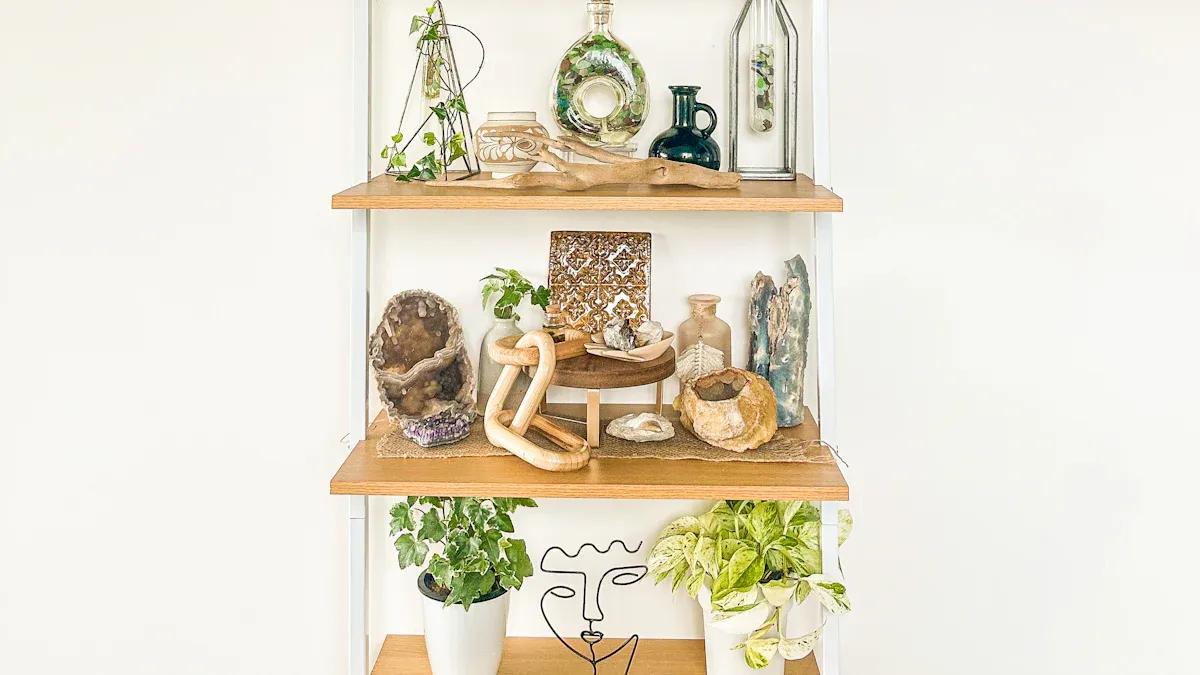
Understanding Your Style
When you start styling your shelves, the first step is to understand your personal style. This process helps you select accessories that truly resonate with you. Here are some tips to help you identify your style:
Take Note: Look around your home. What items catch your eye? Think about why you love them.
Get Pinning: Create a Pinterest board filled with images that inspire you. This can help you visualize your preferences.
Notice the Details: Analyze the common themes in your collected images. Do you lean towards modern, rustic, or eclectic styles?
Get Specific: Define the colors, patterns, and materials you prefer. This clarity will guide your accessory choices.
Create a Style Board: Compile images and samples that represent your style. This can be a physical board or a digital collection.
Change it Up: Remember, your style can evolve. Don’t hesitate to restyle your shelves as your tastes change.
Incorporating personal touches, like framed art or family photos, adds warmth and character to your decor. As designer Lauren Gardner notes, these elements help tell your story and reflect your interests.
Selecting Complementary Items
Once you have a grasp of your style, it’s time to choose accessories that complement each other. Here are some guidelines to keep in mind:
Focus on Balance: Start with larger anchor pieces to create a visual structure. Then, fill in with medium and smaller items. This layering creates depth and interest.
Mix Textures: Use a variety of materials, such as wood, metal, and glass. This mix adds richness to your vignettes and keeps the eye engaged.
Consider Functionality: Choose items that serve a purpose. For example, decorative boxes can store small items while also looking stylish.
Stay Cohesive: Ensure that your accessories share a common theme or color palette. This connection helps maintain a curated look.
Avoid common mistakes like overstyling your shelves. Instead of displaying every decorative item you own, practice restraint. Group similar objects together for a more organized appearance.
As you select your accessories, remember that shelf railings can enhance both the aesthetic and functionality of your decor. They not only secure items but also add a vintage feel, breaking up color expanses in cabinetry, as noted by Cathryn Erickson.
By understanding your style and selecting complementary items, you can create beautiful, well-styled shelves that reflect your personality and enhance your space.
Arranging Items for a Well Styled Shelf
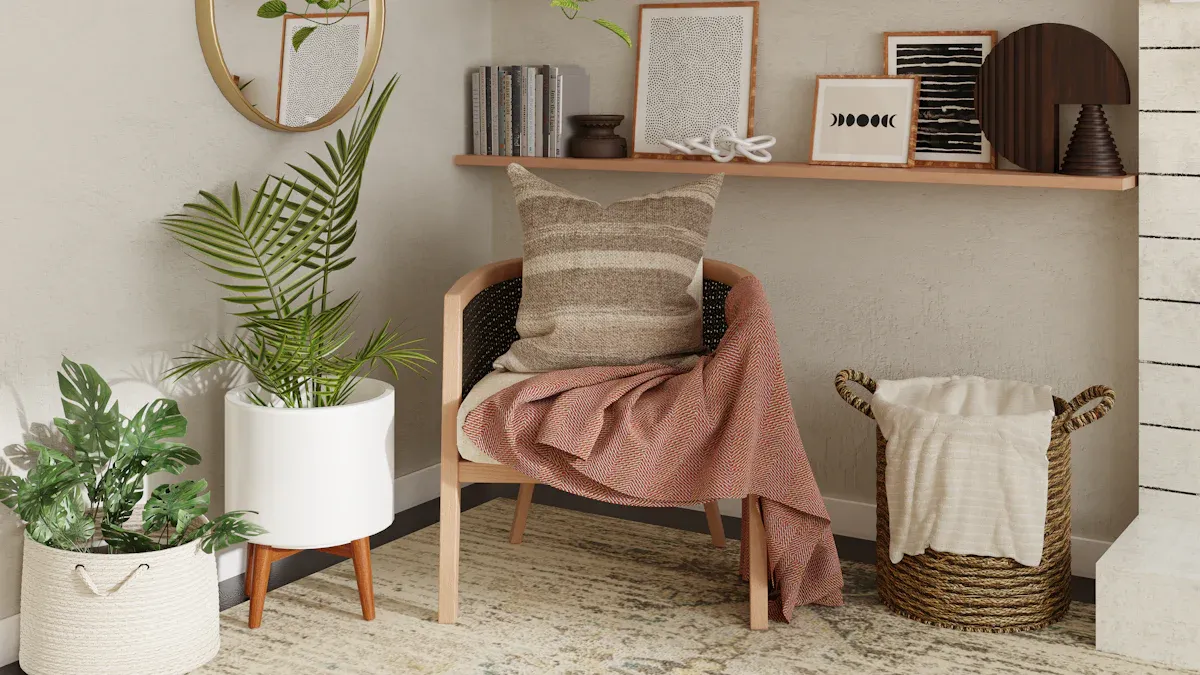
The Rule of Three
When you style shelves, arrangement matters just as much as the items you choose. One effective technique is the Rule of Three. This principle suggests that grouping items in odd numbers, especially threes, creates a more appealing look. Here’s why it works:
Visual Harmony: Odd-numbered groupings feel more intentional and balanced.
Depth and Dimension: Arranging items in threes adds depth, keeping your eye engaged.
Clutter-Free Look: This method prevents your shelves from feeling overcrowded, achieving a curated appearance.
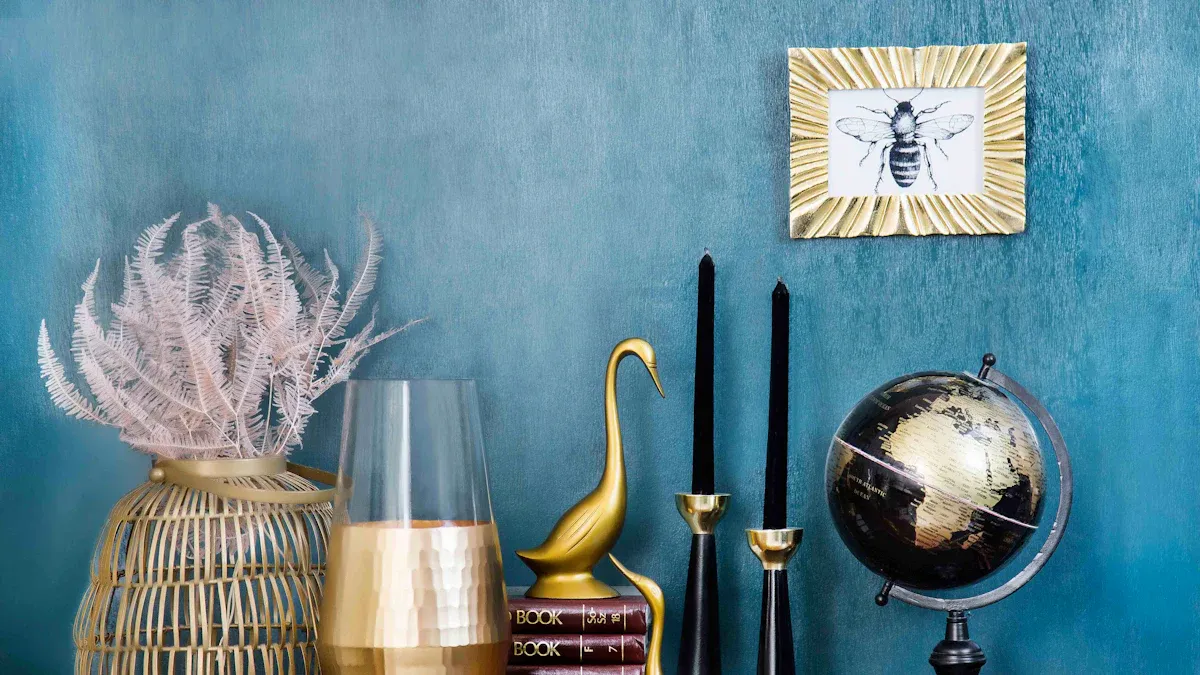
Think about how you can apply this rule. For instance, you might place a tall vase next to two smaller decorative objects. This arrangement draws the eye and creates a natural focal point. As you explore different combinations, remember that the Rule of Odds encourages movement and energy in your decor.
Using Books as Risers
Books are not just for reading; they can also enhance your shelf styling! Using books as risers helps create varying heights among your decorative items. Here are some tips for incorporating books effectively:
Create Height Variation: Stack books both horizontally and vertically. This adds visual interest and balance to your display.
Layering: Place decorative objects or art pieces in front of books. This layering technique draws the eye and adds depth to your vignettes.
Group Similar Items: While grouping, ensure you mix different shapes and sizes. Avoid using identical items to keep your arrangement dynamic.
By using books as risers, you can achieve a well-styled shelf that feels both organized and inviting. Professional interior designers often recommend this technique to create balance and enhance the overall aesthetic of the shelf.
As you restyle your shelves, keep these tips in mind. With a little creativity and the right arrangement, you can transform your shelves into beautiful displays that reflect your personal style.
Tips for Styling Shelves with Balance
Color Coordination
Color plays a vital role in how you style shelves. A cohesive color palette can tie your decor together and create a sense of harmony. Here are some tips to help you achieve that balance:
Stick to Two or Three Colors: Choose a simple color scheme. This approach makes your shelves look organized and visually appealing.
Use Monochrome for Modern Vibes: A monochrome palette can give your shelves a sleek, contemporary feel. It allows you to play with different shades and textures without overwhelming the eye.
Anchor with Neutrals: Incorporate neutral colors to balance brighter hues. This strategy helps prevent your shelves from feeling chaotic.
Interior designers recommend placing visually striking items slightly off-center and anchoring them with books. This technique adds interest and keeps the arrangement dynamic.
Mixing Textures and Materials
Mixing textures and materials adds depth and intrigue to your shelf decor. Here’s how to do it effectively:
Create Contrast: Pair smooth surfaces with rough textures. For example, combine sleek metal with soft fabrics or natural wood. This contrast draws attention and keeps the display engaging.
Incorporate Natural Elements: Use items like woven baskets or ceramic pots. These materials add warmth and a touch of nature to your shelves.
Be Mindful of Balance: While mixing textures, avoid clutter. Too many different materials can overwhelm the space. Aim for a balanced look by pairing large objects with smaller ones.
Remember, the right mix of textures can enhance the overall aesthetic of your room. As design studies show, achieving visual balance contributes to comfort and reduces stress, making your space more inviting.
Styling your shelves can truly transform your space. Remember to focus on your personal style, choose complementary items, and arrange them thoughtfully. Here are some key takeaways:
Incorporate natural elements like plants for a fresh look.
Use the Rule of Three for balanced arrangements.
Experiment with textures and colors to create visual interest.
Don’t hesitate to try new ideas and make your shelves uniquely yours. After all, shelf styling essentials are all about showcasing your personality!