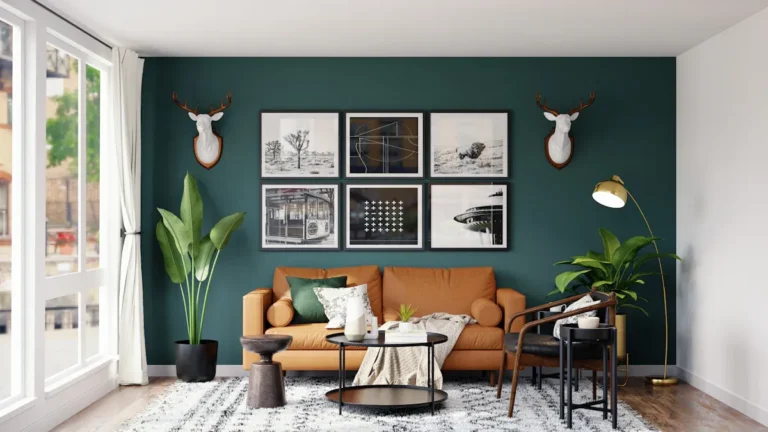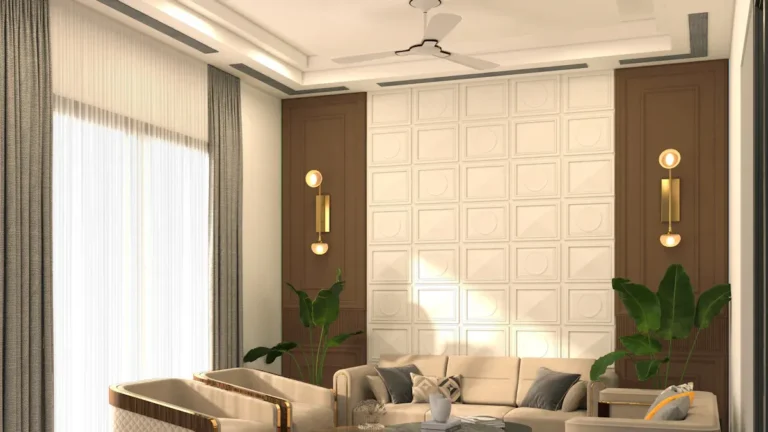
Home décor is all about how you style your living space. It includes everything from furniture to colors, creating an environment that feels welcoming and reflects your personality. A well-decorated home can make you feel relaxed and happy. Did you know that the right choice of colors and materials can enhance your mood? Soft textiles like velvet can bring warmth, while natural elements can reduce stress. By paying attention to these details, you can transform your home into a comfortable and aesthetically pleasing sanctuary.
Key Takeaways
Choose furniture that reflects your style and serves multiple purposes to maximize space.
Incorporate various lighting types to enhance mood and functionality in your home.
Use decorative accessories to showcase your personality and add warmth to your space.
Avoid overcrowding by selecting appropriately sized furniture and utilizing vertical storage.
Mix different décor styles thoughtfully to create a unique and inviting atmosphere.
Home Décor Elements

When it comes to home décor, several key elements come together to create a beautiful and functional space. Let’s dive into the three main components: furniture choices, lighting options, and decorative accessories.
Furniture Choices
Selecting the right furniture is crucial for both aesthetics and functionality. Your furniture sets the tone for your entire home. Here are some popular trends in furniture styles:
Eco-Friendly Materials: Many homeowners now prefer sustainable options like reclaimed wood and bamboo. These materials not only look great but also add warmth to your space.
Statement Furniture: Unique pieces that stand out are becoming focal points in homes. Instead of just being functional, they express your personal style.
Multi-Functional Designs: With living spaces getting smaller, furniture that serves multiple purposes is in high demand. Think of ottomans that provide storage or coffee tables that double as desks.
Nostalgic Elements: Classic styles are making a comeback. Designs like skirted sofas evoke a sense of comfort and familiarity.
Choosing the right furniture influences the overall aesthetic of your home. Rustic furniture, for example, brings warmth and charm, while Mid-Century Modern pieces emphasize simplicity and practicality. The materials, colors, and forms you select can either enhance or detract from your design, so choose wisely!
Lighting Options
Lighting plays a vital role in setting the mood and atmosphere of your home. Different types of lighting serve various purposes:
General Lighting: This includes fixtures like chandeliers and recessed lighting, providing basic illumination for your rooms.
Task Lighting: Designed for specific activities, this type includes desk lamps and vanity lights, making spaces like kitchens and offices more functional.
Accent Lighting: Use this to highlight features in your home, such as artwork or architectural details. Twinkle lights and uplights can create a cozy ambiance.
The right lighting can significantly affect your mood. Natural light, for instance, enhances cognitive function and overall well-being. Studies show that increased daylight in homes can boost happiness levels. So, consider how you can maximize natural light in your space!
Decorative Accessories
Decorative accessories are the finishing touches that personalize your living space. They allow you to showcase your unique tastes and interests. Here are some popular decorative elements:
Trays
Barware
Objects
Centerpieces
Boxes
Vases
These accessories introduce color and texture, enhancing the visual appeal of your home. Meaningful objects can reflect your personal experiences, adding character and warmth. Incorporating natural elements like plants can bring life and freshness to your environment. Plus, rotating your accessories seasonally keeps your décor dynamic and exciting!
Combining furniture, lighting, and accessories creates a cohesive home décor. A consistent color scheme enhances the flow of your space, while varied textures enrich the overall design. By thoughtfully selecting and arranging furniture, lighting, and decorative elements, you can create a harmonious atmosphere that truly feels like home.
Personal Style in Décor
Reflecting Individuality
Your home is a canvas for your personality. It’s where you can express who you are through your décor choices. Here are some popular ways to showcase your individuality:
Display Personal Keepsakes: Use items like shells from your travels or your children’s art projects. These pieces tell your story and add a personal touch.
Highlight Meaningful Collections: Whether it’s vintage cameras or unique mugs, displaying collections can infuse your space with character.
Create Gallery Walls: Hang up old campaign signs, family photos, or any memorabilia that resonates with you. This allows for creative expression and makes your walls come alive.
Mirror Your Wardrobe: Your clothing style can inspire your home décor. If you love bold colors or specific patterns, incorporate those into your space.
Incorporate Vintage Finds: Vintage furniture and accessories add history and charm. They can serve as conversation starters and make your home feel unique.
By choosing elements that reflect your tastes, you create a space that feels authentically yours.
Cohesive Design
While expressing your individuality is important, achieving a cohesive design is equally essential. A cohesive and inviting atmosphere makes your home feel harmonious and well-thought-out. Here are some strategies to help you create that unified look:
Start With a Whole-Home Vision: Think about the overall feeling you want your home to evoke. Create a mood board to align your decisions with your style.
Repeat Key Elements: Use consistent colors, architectural features, and textiles throughout your home. This repetition creates a sense of flow.
Utilize Transition Spaces: Pay attention to hallways and entryways. Using cohesive colors and consistent flooring in these areas can enhance the overall look.
A cohesive design reflects your personal style while ensuring that each room feels connected. Consumer surveys show that a cohesive look is vital for comfort and visual flow. Experts agree that a clutter-free environment and continuous flooring contribute to a seamless aesthetic. Incorporating various design elements, like lighting and art, can also enhance the overall appeal of your space.
By blending your unique style with cohesive design principles, you can create a home that not only showcases your personality but also feels inviting and harmonious.
Tips for Interior Design
Space Planning
Effective space planning can transform your home into a comfortable and functional haven. Here are some techniques to consider:
Technique | Description |
|---|---|
Function and Zoning | Identify different areas in your home, like social, work, and storage zones. This helps create smooth transitions between activities. |
Dimensions and Shape of Space | Assess the floor space for each area to ensure comfort while considering the overall shape of your home. |
Circulation Patterns | Evaluate traffic flow between rooms to minimize hindrances. This ensures easy movement throughout your space. |
Stretching Space | Use light colors and mirrors to create an illusion of larger spaces. |
Storage | Place storage areas near frequently used points to keep your home organized. |
By focusing on these aspects, you can enhance usability and flow in your home. For example, parents can move quickly from the kitchen to the playroom, while guests can flow effortlessly from the entryway to living spaces.
Mixing Styles
Mixing different décor styles can be a fun way to express your personality. Here are some benefits and challenges to keep in mind:
Benefits: Mixing styles allows for personal expression and creates a unique space that reflects your tastes. You might discover new preferences along the way.
Challenges: Achieving balance can be tricky. Start with foundational pieces to avoid a chaotic look. It takes patience to find the right elements that resonate with you.
Budget-Friendly Tips
Decorating on a budget doesn’t mean sacrificing style. Here are some tips to help you achieve a stylish look without breaking the bank:
Update your walls with wallpaper for a fresh feel.
Incorporate plants to enhance aesthetics and improve air quality.
Create a personalized wall gallery with framed photos.
Display cooking ingredients on open shelves for both function and style.
Use energy-efficient lighting to enhance ambiance.
Make DIY decorative accessories to personalize your décor.
Decorate your coffee table with books and candles for a warm atmosphere.
If you have decor that no longer fits your style, consider selling it online to recoup some costs. This approach helps you manage your budget while achieving your desired look.
By applying these tips, you can create a beautiful interior design that reflects your style and fits your budget.
Common Decorating Mistakes
Overcrowding Spaces
One of the biggest mistakes you can make in home décor is overcrowding your spaces. When you fill a room with too much furniture or too many accessories, it can feel cramped and chaotic. This clutter not only disrupts the flow of movement but also creates a stressful atmosphere. Research shows that overcrowding can lead to chronic stress and discomfort. To avoid this, choose appropriately sized furniture and utilize vertical storage solutions like wall-mounted shelves. This keeps your space organized and visually spacious. Remember, less is often more!
Ignoring Functionality
Another common pitfall is ignoring functionality in your décor choices. You might love that beautiful coffee table, but if it doesn’t fit your lifestyle, it can become a nuisance. Poor layouts can make daily routines difficult and uncomfortable. For instance, if you place furniture in a way that blocks pathways, you’ll find it hard to navigate your home. To enhance usability, prioritize practical designs that harmonize with your aesthetic. Invest in dual-purpose furniture, like ottomans with hidden storage, to maximize utility without sacrificing style.
Neglecting Lighting
Finally, don’t overlook the importance of lighting in your home. Poor lighting can lead to discomfort and even health issues, such as eye strain and disrupted sleep patterns. You want your home to feel inviting and functional, so consider incorporating various types of lighting. Ambient lighting serves as the main source, while task lighting focuses on specific areas like reading nooks. Accent lighting can highlight artwork or architectural features, adding depth to your décor. By maximizing natural light and using energy-efficient options, you can create a warm and welcoming environment.
Avoiding these common decorating mistakes will help you create a home that feels both beautiful and functional. Remember, your space should reflect your style while also being a comfortable place to live.
Home décor is all about expressing who you are. It’s your chance to create a space that feels uniquely yours. Here are some key takeaways to remember:
Evolution of Home Decor: Styles change, but your personal touch remains timeless.
Eclectic Home Decor Trends: Mixing styles can lead to exciting results.
Timeless Designs in Home Decor: Classic pieces never go out of style.
Inspirational Home Decor Ideas: Look for inspiration everywhere!
Balancing Trends with Personal Style: Find what resonates with you.
Experts encourage you to reflect on your preferences. Create mood boards to visualize your ideas. Blend different influences to craft a space that truly represents you. So, go ahead! Experiment with your style and make your home a reflection of your personality.