
A 16×24 platen changes what you can press in one pass. Full-front designs on adult tees, oversized tote graphics, blanket panels, jersey numbers, all of it fits without repositioning or seam marks. That extra width matters most if you run a small shop, a school spirit-wear side hustle, or a craft room that has outgrown a 15×15 machine.
The catch is that big platens come in very different builds. Some swing open like a clamshell, some slide the lower platen out like a drawer, and a few are accessories rather than presses at all. This list covers both sizes and the add-ons that make either one easier to live with, so you can match the machine to your workload instead of your wishlist.
The Shortlist At A Glance

SmarketBuy Upgraded Heat Press 16×24 Inch Clamshell
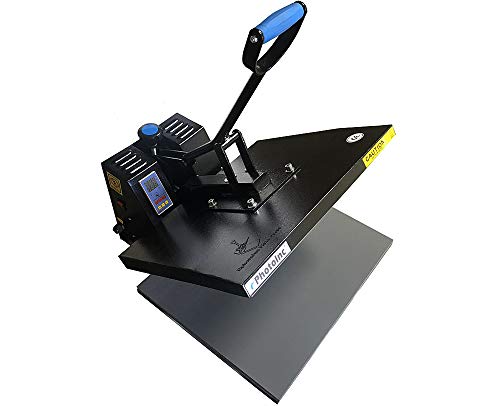
ePhotoInc 16 X 24 Large Heat Press Machine

VEVOR Heat Press Machine 16″ x 24″ 1700W

CoolSub 15×15 Slide Out Heat Press (Hot Pink)
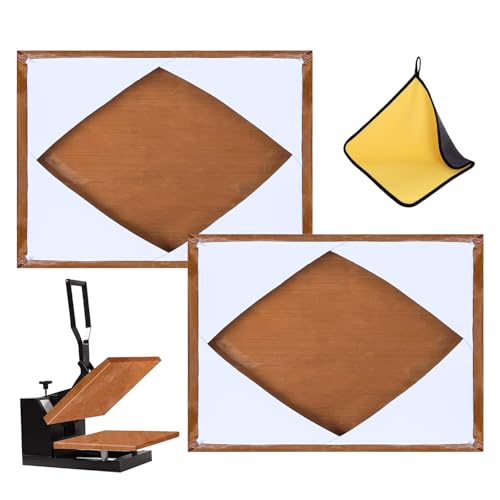
BSTSLL Heat Press Covers 16 x 24 Inch

VCHOMY 16×24 Inch Extra Large Heat Press Pillow

ColorSub Heat Press 15×15 Slide Out Drawer
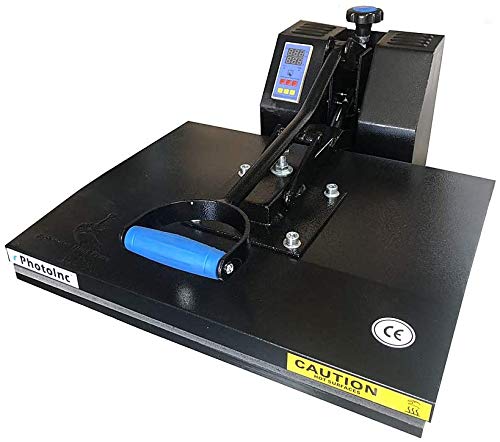
ePhotoInc Z1624 Digital Clamshell Heat Press

Delclynee 16″ x 24″ Slide Out Heat Press

Fancierstudio FS16x24 BBP Pull Out Heat Press
More Details On Our Top Picks
The headline here is high pressure paired with a lower platen that pulls out toward you. On a busy production day, sliding garments onto the tray instead of reaching under an open hot element saves time and knuckles alike. The 1800W element brings the full 16×24 surface up to temperature quickly, which matters when you’re pressing back-to-back orders.
Digital controls handle temperature from 32 to 400 degrees Fahrenheit and timing up to 999 seconds, with an audible alarm when a cycle finishes. That range covers HTV, sublimation paper, and DTF film without guesswork.
Strong Points
- Pull-out lower platen means you load shirts away from the heat source entirely
- High-pressure clamping helps dense transfers bond evenly across the wide platen
- LCD readouts for both temperature and time cut down on mid-run adjustments
- End-of-cycle alarm lets you step away briefly without scorching a garment
Things To Consider
- A full-size clamshell needs serious counter depth; measure before it arrives
- Owners commonly report these machines benefit from a dedicated outlet rather than a shared power strip
Key Specs
Who It Suits Best
Sellers producing volume runs of full-size tee graphics who want production speed without stepping up to a pneumatic press.
Where A Sibling Pick Shines
Shoppers wanting a lighter, more affordable entry into the same footprint will find the ePhotoInc Z1624 easier to place and move around.
This is the old-school workhorse of the group, and its weight tells you so. At roughly 85 pounds boxed, the steel frame sits planted on a bench, which translates into steadier pressure across long sessions. The upward-opening clamshell design also keeps the footprint tighter than swing-away models, a real advantage in cramped garages and spare bedrooms.
The digital control setup spans temperatures up to 500 degrees Fahrenheit, giving you headroom for high-heat sublimation blanks alongside standard vinyl work. Beyond shirts, the flat platen suits ceramic tiles, mouse pads, puzzle blanks, and canvas bags, so one machine covers a mixed product catalog.
What We Like
- Substantial frame weight resists shifting during forceful clamps
- 500-degree ceiling opens the door to demanding sublimation substrates
- Flat surface handles tiles, bags, and hard blanks beyond apparel
Minor Gripes
- You’ll want two people or a sturdy cart for the initial placement; it’s not a one-hand lift
- Loading under the raised element takes practice compared with drawer-style machines below
Right Fit For
Crafters pressing varied hard goods and garments from a fixed workstation who value a stable, no-frills platform.
Swap It Out When
Anyone short on counter space should look at the ColorSub 15×15 drawer model, which shrinks the working envelope considerably.
VEVOR leans on two details that matter daily: a Teflon-coated upper platen and a soft sponge liner beneath it. The coating keeps adhesive residue and stray vinyl from bonding to the metal, so cleanup stays a wipe-down job instead of a scraping session. The liner cushions slightly uneven garments, which shows up as fewer patchy spots on thick fleece.
The 1700W element heats the generous surface briskly, and the black clamshell body follows the familiar space-saving layout. For a first serious press, this one balances cost against features better than most.
Highlights
- Teflon surface wipes clean after sticky HTV mishaps
- Sponge-backed liner evens pressure on textured fabrics
- Quick warm-up keeps momentum during order batches
- Clamshell stance fits shallow countertops
Small Caveats
- Coated surfaces can scratch over years of heavy use, so avoid metal tools near the platen
- Some owners note a faint odor during early break-in presses, common with new liners
At A Glance
Made For
First-time shop owners who want full-size capability and easy maintenance without stretching the budget thin.
Another Choice May Suit
Volume sellers needing stronger clamp force will get more from the SmarketBuy’s high-pressure design.
Not everyone needs the full 16-inch width, and this CoolSub proves the point with a 15×15 platen dressed in a finish you won’t lose in a crowded craft fair booth. The full pull-out drawer is the real story here: you arrange your garment and transfer on the extended tray, slide it home, and close. Your hands never hover under the heated element.
The Teflon-coated plate handles HTV, DTF film, and sublimation paper on flat goods like tees, bags, and tiles. An adjustable pressure knob lets you dial in lighter contact for delicate synthetics versus firmer clamps for cotton.
Bright Spots
- Drawer loading removes the riskiest part of clamshell pressing
- Non-stick plate tolerates adhesive residue from vinyl offcuts
- Pressure knob adapts across fabric weights
Points To Note
- The 15×15 field means jumbo front prints need repositioning, unlike the SmarketBuy above
- Drawer rails deserve occasional clearing of lint to keep travel smooth
Who Will Love This
Hobbyists and weekend sellers working standard-size designs from a shared desk or spare-room corner.
Reach For A Different Pick When
Full-width jersey backs and blanket panels call for the Delclynee 16×24 instead.
Accessories rarely make a top-ten list, but scorched platens ruin more transfers than bad timers do. This pair of Teflon-coated wraps stretches over both the upper and lower plates of a 16×24 machine, with a polyester backing that grips snugly enough to stay put through repeated cycles. A small towel for wiping residue rounds out the kit.
In practice, the cover becomes sacrificial armor. Stray HTV, ink bleed, and adhesive gunk land on a washable layer instead of baked-on metal. Swapping a dirty wrap takes seconds; scrubbing a bare platen does not.
Plus Points
- Shields both platens, not just the top surface
- Stretchy backing installs without tools or clips
- Included towel handles quick cleanup between jobs
Honest Caveats
- Confirm your platen measures 16×24 first; smaller machines will leave excess fabric bunching
- Very thick wraps can slightly soften edge pressure on detailed transfers
Whose Shelf It Belongs On
Owners of any 16×24 press who press sticky materials regularly and dread deep cleaning baked residue.
Consider Something Else When
Those fighting uneven pressure over seams need the VCHOMY pillow below rather than another flat layer.
Pressing over a zipper, a folded hem, or a screen-printed collar leaves a dead spot where the transfer refuses to stick. A pressing pillow solves that by raising the print area so pressure lands only where you want it. At 16×24 inches, this one matches full-size platens, so even jumbo designs get even contact.
The outer shell is a non-stick, waterproof Teflon sheet, while the interior foam is fire-retardant and springs back after each press. That resilience is what separates a pillow worth owning from one that flattens within a month.
Standout Traits
- Full-platen size supports oversized prints without repositioning
- Resilient core recovers shape press after press
- Smooth Teflon skin sheds ink and adhesive
Softer Spots
- Store it flat; creasing the foam in a drawer can leave temporary ridges
- Adding any cushion raises effective height, so recheck your pressure setting
The Right Fit
Anyone decorating hoodies, zippered jackets, or seamed garments on a 16×24 machine.
Look Elsewhere When
For general platen protection rather than pressure correction, the BSTSLL covers serve better.
Where the CoolSub chases personality, this white ColorSub plays it straight: a 1222W element, a 15×15 non-stick platen, and the same drawer-style lower bed that keeps loading safe and compact. The 482-degree ceiling covers every common transfer type, and the timer runs to 999 seconds for slow-cure specialty films.
Compared with the pink CoolSub beside it, this one trades flair for a slightly gentler power draw, which suits older home circuits. The trade-off is slower recovery between heavy batches, something production sellers will feel by the tenth shirt.
Reasons To Buy
- Drawer mechanism eliminates reaching beneath the hot plate
- Non-stick coating simplifies post-vinyl cleanup
- Modest wattage plays nicely with typical household outlets
Trade Offs
- Lower wattage means longer waits between consecutive presses
- 15-inch width caps you on oversized layouts
Quick Facts
Who Should Grab It
Apartment crafters and hobby sellers who prioritize safety and a small footprint over raw speed.
Not Your Match When
High-volume shops should step up to the Fancierstudio FS16x24 for faster cycling and bigger coverage.
This Z1624 shares DNA with the heavier ePhotoInc earlier in the list but trims the mass down to about 65 pounds boxed. You still get the full 16×24 platen and the same upward-opening clamshell action, just in a frame that one reasonably strong person can relocate between a garage bench and a craft-fair table.
Digital time and temperature controls handle the usual transfer lineup, and the flat bed accepts tiles, bags, puzzles, and mouse pads alongside garments. For mobile sellers, that versatility plus portability is a compelling pairing.
Positives
- Noticeably lighter than comparable 16×24 frames, easing transport to events
- Full-width platen handles adult XL fronts in one pass
- Works across soft goods and rigid blanks alike
Areas To Watch
- Less mass means less inherent stability; anchor it on a solid, level surface
- Clamshell loading still requires care around the open element
Built With In Mind
Market vendors and teachers who haul equipment regularly yet refuse to shrink their print size.
Skip It When
Fixed-studio users pressing all day may prefer the planted heft of the original ePhotoInc model.
The Delclynee answers the question nobody else on this list asks: why choose between full width and safe loading? Its lower platen slides out a generous 12.25 inches, deep enough that you can lay out a full shirt away from the element, then glide it into position. Combined with the 1400W element and adjustable pressure knob, it behaves like a small production line.
Temperature tops out at 455 degrees with a 999-second timer, comfortably covering heat transfer vinyl, DTF film, and sublimation. The high-pressure clamshell action gives denser bonds than budget units typically manage.
Upsides
- 12.25-inch drawer travel creates a genuinely safe staging area
- Adjustable knob fine-tunes pressure across delicate and heavy fabrics
- Full 16×24 bed with strong clamping force
- Wide temperature window suits nearly every transfer chemistry
Room For Improvement
- Extended drawer travel demands clear counter space in front of the unit
- Rails collect lint over time and benefit from an occasional wipe
Feature Rundown
Best Suited To
DTF and vinyl decorators running daily orders who want drawer safety without sacrificing platen size.
Where Another Pick Suits Better
Maximum heat headroom for specialty sublimation blanks points you toward the ePhotoInc 16 X 24 instead.
Fancierstudio bundles the strongest spec sheet on this page: 1800 watts, a 500-degree ceiling, a pull-out lower platen, and Teflon covers for both plates included in the box. That last detail matters more than it sounds, since the BSTSLL covers elsewhere on this list exist precisely because many presses ship without them.
The silicone gel base board cushions garments for even contact, and electronic time and heat controls keep repeat jobs consistent. Wide-body construction gives the whole assembly a planted feel during firm clamps.
Best Bits
- 1800W element recovers quickly between batch presses
- Both Teflon covers included, saving a separate purchase
- 500-degree range reaches demanding sublimation settings
- Removable base foam pad can be replaced rather than reglued
Worth Noting
- The unglued lower pad shifts slightly until you seat it properly, a quirk several owners mention
- Wide body needs a deep, sturdy table
Perfect Match For
Growing home studios ready to invest once in a machine that won’t need replacing next season.
A Better Fit Elsewhere
Tighter budgets still get dependable full-size pressing from the VEVOR 1700W model reviewed earlier.
What Matters Most Before Choosing 16×24 Heat Presses
Loading Style Shapes Every Session
Clamshell machines open upward and save counter depth, but you position garments beneath the hot element. Drawer or slide-out designs extend the lower platen toward you, keeping hands clear during setup. Frequent pressers often find the drawer layout pays for itself in comfort alone.
Pressure And Wattage Work Together
A wide platen needs enough wattage to recover heat quickly between presses, and enough clamp force to bond dense transfers edge to edge. Light-duty units in the 1200W range suit hobby pacing; 1700W and above keeps pace with order queues.
Match The Platen To Your Products
The 16×24 format earns its keep on full-front adult graphics, jersey backs, and blanket panels. Standard 15×15 machines handle most retail tee designs fine, so choose the larger size only when your catalog genuinely demands it.
Accessories Extend Machine Life
Teflon covers and pressing pillows protect platens from adhesive buildup and fix uneven pressure over seams. Budgeting for both alongside the machine prevents the most common maintenance headaches.
Key Considerations Across These Picks
Traps First Timers Fall Into
The classic mistake is buying a 16×24 machine without measuring the workspace, then discovering the drawer or clamshell arc collides with a wall. The second is powering it through a loaded power strip; these draws deserve their own outlet. Skipping protective covers is third, and it costs you scrubbing sessions later.
What Separates Premium From Basic
Higher-tier models spend their extra cost on wattage, clamp force, and included protection. An 1800W press with bundled Teflon covers, like the Fancierstudio, returns its premium through faster cycling and fewer accessory purchases. Casual users pressing weekly gain little from that headroom, so buy to your actual volume.
Frequently Asked Questions
Is a 16×24 platen necessary for t-shirt printing?
It depends on your designs. Full-front adult graphics and oversized layouts fit in one pass, while smaller chest prints work fine on a 15×15 machine.
Do drawer-style presses produce different results than clamshells?
No, transfer quality comes from heat, time, and pressure. The drawer simply changes how safely you load the garment.
Can these presses handle sublimation?
Most can, provided the temperature range reaches your blank’s requirements. Check the listed maximum against your substrate guide before ordering.
How much counter space does a 16×24 press need?
Plan for the machine’s footprint plus clearance in front for drawer models or above for clamshells. Measure twice before purchasing.
Do I need a special electrical outlet?
A standard household circuit usually works, but avoid sharing it with other high-draw appliances. A dedicated wall outlet is the safer arrangement.
Closing Thoughts
Choosing among these ten comes down to honest self-assessment. Volume sellers should lean toward the SmarketBuy or Fancierstudio for speed and clamping strength, while hobbyists get everything they need from the ColorSub or CoolSub at a friendlier scale. Don’t overlook the accessories either; a cover set and pressing pillow cost little and solve problems that frustrate new pressers constantly. Whichever route you take, measure your space first and give the machine a proper home.