
There’s a reason sewists still hunt down machines from that era: Singer built them like small appliances, not gadgets. The trouble is finding one that runs reliably today, or a modern equivalent that carries the same spirit. This roundup covers both angles, from heavy-duty workhorses to sergers and even the needles that keep any machine humming. Whether you’re hemming jeans on a kitchen table or finishing knits in a dedicated craft room, there’s a fit here for your setup and skill level.
The Shortlist At A Glance
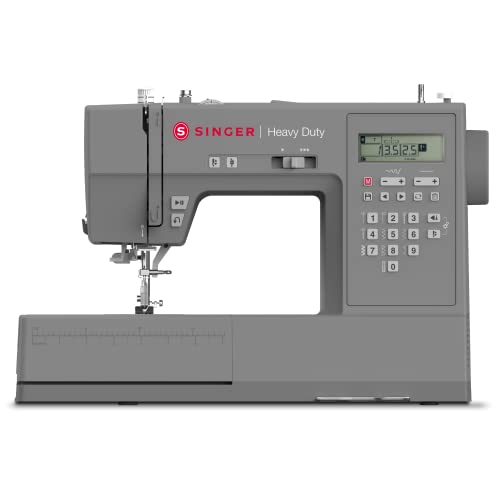
SINGER® 6700C Heavy Duty Computerized Machine
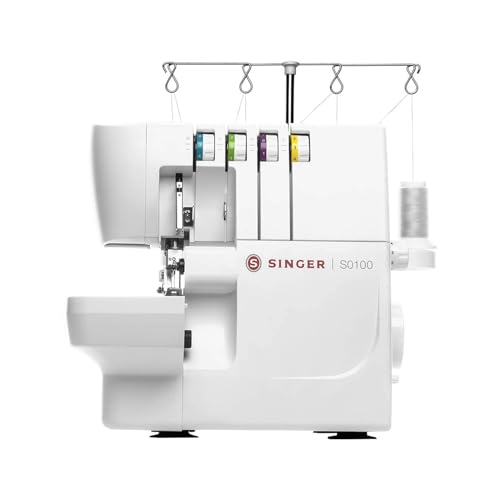
SINGER® S0100 High Speed Serger Overlock Machine

SINGER Universal Regular Point Needles, Size 70/10 (5 Count)

SINGER® Quantum Stylist 9985 Computerized Sewing Machine

SINGER® 6800C Heavy Duty Computerized Sewing Machine
SINGER® M3330 Navy Blue Sewing Machine

SINGER® 6380 Heavy Duty Sewing Machine

SINGER® Heavy Duty 500 Classic High Speed Machine

SINGER® S14-78 Serger Overlock Machine, White

SINGER Fashion Mate™ 3342 Lightweight Portable Sewing Machine
More Details On Our Top Picks
The 6700C is what happens when old-school muscle meets a modern brain. With 411 stitch applications spanning basic, stretch, decorative, and lettering options, you can move from mending denim in the morning to monogramming napkins after dinner without touching another machine.
For anyone who loved the durability of a 1970s Singer but wants push-button convenience, this sits right in that sweet spot. The included accessory kit means you’re sewing on day one rather than shopping for feet and bobbins.
Strong Points
- 411 stitch applications cover garments, home décor, and monogramming in one unit
- Heavy-duty construction suits thick fabrics like denim and canvas
- Bundled accessory kit saves a separate shopping trip before your first project
- Lettering font lets you personalize gifts without extra software
Things To Consider
- Computerized models benefit from periodic servicing, so plan on keeping dust covers handy and lint brushed out of the bobbin area regularly
- The feature depth can feel overwhelming during your first week of ownership
Key Specs
Who It Suits Best
Intermediate sewists who want vintage-grade toughness paired with digital stitch selection for varied weekly projects.
Where A Sibling Pick Shines
Total beginners will find the simpler SINGER M3330 far less intimidating while they learn the basics.
A serger is the tool your main machine quietly wishes it were for knitwear. Instead of a single needle and bobbin, it trims, stitches, and overcasts edges simultaneously using two, three, or four threads at once. That’s how store-bought tees get those clean, stretchy seams.
The S0100 arrives pre-threaded, which matters more than it sounds. Threading a serger for the first time is famously fiddly, and starting with the looper paths already set removes the biggest beginner hurdle. Delicate napkin hems, stretchy jersey, fleece edges, all within reach here.
What We Like
- Pre-threaded out of the box, sparing you the classic first-day threading struggle
- Two, three, or four thread combinations adapt to hems, seams, and decorative edges
- High-speed operation shortens production time on multi-garment runs
Worth Noting
- Sergers cut fabric as they sew, so practice on scraps first; owners commonly report wasted yardage during the learning curve
- It complements rather than replaces a standard machine, since it can’t do topstitching or buttonholes
Right Fit For
Sewists who already own a basic machine and want professional edge finishes on knits and activewear.
Swap It Out When
If you need buttonholes and straight stitching too, the SINGER 6800C covers general sewing duties better than any serger can.
No machine on this list performs well with a dull or wrong-size needle, which makes this five-pack the quiet hero of the roundup. Size 70/10 is the fine end of the universal range, sized for extremely sheer wovens like chiffon, organza, and lightweight batiste where a heavier needle would leave visible holes.
These are cold-forged steel needles, a manufacturing process that hardens the shaft against bending and snapping mid-seam. The larger eye also reduces friction on delicate threads, cutting down on skipped stitches and shredding. T-shaped heads make insertion into the clamp easier when your fingers are cramped around the presser foot area.
Bright Spots
- Cold-forged steel construction resists breakage through long sessions
- Larger eyes reduce skipped stitches on fine threads
- T-shaped heads simplify installation in tight needle clamps
Small Caveats
- Size 70/10 is too fine for denim or canvas; keep a heavier pack on hand alongside these
- Five needles go quickly if you sew sheer fabrics weekly, so some owners stock up on multiple packs
Made For
Anyone working with sheer wovens who wants reliable, skip-free stitching on delicate material.
Another Choice May Suit
Heavy-fabric sewists should pair their machine instead with the SINGER 6380’s adjustable presser pressure and sturdier needle setups.
Where the 6700C offers breadth, the Quantum Stylist 9985 goes deeper. Over a thousand stitch applications put it in serious creative territory, and sixty memory slots let you build and save custom stitch sequences. Quilters designing border patterns or garment makers repeating a signature detail will get real mileage from that memory function.
This is the pick for people whose projects change weekly. Fashion one month, home décor the next, quilting after that. The comprehensive accessory bundle rounds out a package aimed at makers who’d rather create than configure.
Highlights
- Over 1,000 stitch applications span basic, stretch, and decorative categories
- Sixty memory slots preserve custom sequences between sessions
- Comprehensive accessory kit supports fashion, décor, and quilting work
- Saved sequences eliminate reprogramming on repeat projects
Points To Note
- The sheer menu depth takes time to learn; expect a few sessions with the manual open
- Computerized internals mean occasional professional servicing keeps everything accurate over years of use
Feature Snapshot
Who Will Love This
Advanced hobbyists and quilters who treat sewing as a rotating creative practice rather than occasional mending.
Reach For A Different Pick When
Denim-and-canvas sewists get more value from the SINGER 6800C’s heavy-duty motor than from this model’s decorative depth.
Think of the 6800C as the 6700C’s stronger sibling. Its motor runs roughly 60% harder than a standard unit and pushes up to 1,100 stitches per minute, which translates to powering through layered denim hems or canvas tote seams without the bogging-down you’d feel on lighter machines.
The stitch count climbs to 586 applications, including two lettering fonts and nine one-step buttonhole styles. Ten snap-on presser feet ship in the box, among them an even-feed walking foot that’s genuinely useful for quilting layers and slippery fabrics. A metal frame underpins the whole thing, echoing the build philosophy of those beloved older Singers.
Upsides
- Motor rated about 60% stronger than standard, reaching 1,100 stitches per minute
- 586 stitch applications plus two lettering fonts for personalization
- Nine one-step buttonhole styles deliver consistent results on garments
- Ten included presser feet, including a walking foot for tricky layers
- Metal frame construction supports decades-style durability expectations
Honest Caveats
- At high speeds, precision work demands a light touch on the pedal until muscle memory develops
- The soft cover protects from dust but isn’t a hard case for transport to classes
Details At A Glance
Best Suited To
Sewists who regularly tackle heavy fabrics and want computerized convenience without sacrificing torque.
Consider Something Else When
Lightweight portability matters more than power, and the Fashion Mate 3342 travels far more easily.
Everyone starts somewhere, and the M3330 respects that. The bundled accessories alone cover the essentials: four presser feet, bobbins, needles, a seam ripper, thread spool cap, oil bottle, darning plate, and an edge guide. You won’t need a second order before your first pillowcase.
The navy finish gives it a friendlier look than the industrial-gray machines most beginners meet, and the controls stay deliberately simple. Straight seams, zigzags, buttons, zippers, the core skills all live here without a screen full of menus competing for attention.
Plus Points
- Accessory bundle includes feet, bobbins, needles, ripper, and oil for immediate use
- Beginner-friendly layout keeps the learning curve gentle
- Darning plate enables free-motion and button sewing without extra purchases
Room For Improvement
- Limited stitch variety compared with the 6700C, so ambitious decorators will outgrow it
- Lighter build means it may walk slightly on very thick seams; slowing your pace helps
Who Should Grab It
First-time sewists, students, and casual menders who want a complete starter package without complexity.
Not Your Match When
Growing skills demand more stitches, and the SINGER 6700C’s 411 applications make a natural second step.
Some sewists simply prefer knobs to menus, and the mechanical 6380 speaks their language. Its motor delivers about 50% more power than standard units at up to 1,100 stitches per minute, yet adjustable presser foot pressure lets the same machine handle lightweight sheers gracefully. That dual range is rare at this tier.
The extension table deserves special mention. Quilting a throw or managing a long curtain panel becomes dramatically easier with the extra flat surface supporting fabric weight, something the compact 6380’s smaller siblings can’t offer.
Reasons To Buy
- Motor roughly 50% stronger than standard, rated to 1,100 stitches per minute
- Adjustable presser foot pressure adapts from denim down to sheers
- Extension table stabilizes large quilting and home-décor projects
- Mechanical controls mean fewer electronics to service over time
Softer Spots
- No lettering fonts or decorative stitch libraries, unlike the computerized picks earlier in this list
- Owners commonly report a brief break-in period before the pedal response feels fully smooth
Quick Facts
The Right Fit
Mechanical-minded sewists who split time between heavy repairs and delicate fabric work.
Look Elsewhere When
Decorative stitching tops your wishlist, and the Quantum Stylist 9985’s thousand-plus applications fill that gap.
This is the machine for people who fell in love with the look of a 1970s Singer before they ever threaded one. The HD500 Classic wraps modern heavy-duty internals in retro-inspired styling, so it earns its spot on an open shelf rather than hiding in a closet.
Underneath the handsome shell sit practical touches: a built-in needle threader that spares tired eyes, one-step buttonholes, and a drop-feed mechanism for free-motion work. High-speed capability keeps pace with bigger projects, and the accessory kit rounds out a package that feels considered rather than assembled.
Standout Traits
- Vintage-inspired exterior looks at home in styled sewing rooms
- Built-in needle threader cuts setup time and eye strain
- Drop-feed control opens up free-motion quilting and embroidery techniques
- One-step buttonhole produces consistent results on garments
Trade Offs
- Style-forward buyers pay a premium over plainer heavy-duty models with similar capability
- The glossy finish shows dust quickly, so a regular wipe-down keeps it presentable
Whose Shelf It Belongs On
Sewists who value aesthetics as much as performance and want a machine worth displaying.
Skip It When
Pure function drives the decision, and the SINGER 6380 delivers comparable heavy-duty output with less emphasis on looks.
Compared with the pre-threaded S0100 earlier in this list, the S14-78 trades that convenience for a lower entry point while keeping the same core capability: two, three, or four thread stitching for seams, edge finishes, rolled hems, and decorative borders.
Rolled hems deserve a callout. They’re the narrow, tightly wrapped edges you see on quality scarves and ruffled home décor, and producing them on a conventional machine is slow and fiddly. On this serger, they become a routine setting change. Garment sewers finishing knit necklines will notice the difference immediately.
Positives
- Two, three, and four thread modes cover structural seams through delicate rolled hems
- Handles both garment construction and home décor finishing
- Lower commitment level than pricier sergers for testing whether Sergers suit your workflow
Minor Gripes
- Ships unthreaded, so budget an afternoon with the manual for initial setup
- Looper threading takes practice; many owners keep a photo of the correct path taped nearby
Built With In Mind
Budget-conscious garment makers ready to add professional edge finishing as a second machine.
A Better Fit Elsewhere
Impatient beginners should choose the S0100 instead, since its factory threading skips the hardest part entirely.
Portability changes how often you actually sew. The Fashion Mate 3342 weighs little enough to carry to classes, guild meetings, or a friend’s kitchen table, yet its full metal frame keeps it stable once it’s running. Thirty-two built-in stitches expand to 110 applications once you factor in length and width adjustments.
Setup niceties abound: a top drop-in bobbin with a clear cover so you never run dry mid-seam, a built-in needle threader, and a free arm for cuffs and sleeves. Five snap-on feet handle zippers, buttons, and the Sew Easy foot for precise guiding.
Best Bits
- 110 stitch applications from 32 built-in stitches with adjustable length and width
- Full metal frame provides stability despite the light carry weight
- Transparent drop-in bobbin cover prevents surprise thread runouts
- Free arm simplifies sleeve, cuff, and small-circle sewing
- Front storage compartment keeps the included tools organized
Areas To Watch
- Thirty-two stitches trail the computerized picks significantly for decorative work
- Very dense layers like stacked denim may challenge the lighter motor; slower speeds help
Core Details
Perfect Match For
Menders, students, and class attendees who need capable sewing in a carry-anywhere package.
Where Another Pick Suits Better
Stationary sewists chasing maximum stitch variety will prefer the Quantum Stylist 9985’s expansive library.
What Matters Most Before Choosing Your Machine
Match Power To Fabric
Heavy fabrics punish undersized motors. Denim, canvas, and leather demand the reinforced units found in the 6800C or 6380, both rated well above standard motor strength. Sheer wovens pull the opposite direction, needing fine size 70/10 needles and gentler presser pressure. Most households honestly span both extremes, so adjustable pressure is worth prioritizing.
Count Your Stitches Honestly
A beginner hemming pants needs three stitches, not four hundred. Decorative stitch libraries earn their cost only for quilters, garment designers, and gift-makers who’ll actually scroll past the basics. Buying capacity you won’t use just complicates the learning curve.
Mechanical Or Computerized
Mechanical machines like the 6380 have fewer parts that fail and feel familiar to anyone raised on vintage Singers. Computerized models add lettering, memory, and one-touch selection. Neither is objectively better; it comes down to whether you value simplicity or features more.
Plan For Accessories
Included kits matter more than spec sheets suggest. Feet, bobbins, rippers, and extension tables bought separately add up fast, so compare bundles before comparing headline features.
Key Considerations Across These Picks
Traps First Timers Fall Into
The most common mistake is buying for fantasy projects instead of real ones. A serger seems exciting until it sits unused because you mostly mend work shirts. Also, skipping needle education costs money: wrong sizes cause skipped stitches that look like machine defects. Match the needle to the fabric every time.
What Separates Premium From Basic
Higher-tier models buy motor strength, metal frames, and stitch depth. Paying up makes sense when you sew weekly or work heavy fabrics regularly. Occasional menders get equal satisfaction from the M3330 tier, and the savings fund good thread instead.
Frequently Asked Questions
Are modern Singer machines as durable as 1970s models?
Modern heavy-duty lines use metal frames and stronger motors that echo that era’s build philosophy. Longevity still depends heavily on maintenance and usage frequency.
Do I need both a sewing machine and a serger?
Most sewists start with a standard machine and add a serger later for knitwear and edge finishing. The two tools complement rather than replace each other.
What needle size works for delicate fabrics?
Size 70/10 suits extremely sheer wovens like chiffon and organza. Heavier fabrics require progressively larger sizes to avoid breakage.
How often should a sewing machine be serviced?
Regular home care means brushing lint from the bobbin area and oiling where the manual directs. Professional servicing every year or two keeps computerized models accurate.
Is a heavy-duty machine harder for beginners to use?
Not necessarily, though the speed requires a gentle pedal foot early on. Adjustable settings let beginners start slow and build confidence.
Closing Thoughts
The right choice depends less on specs and more on honest self-assessment. Count how often you sew, what fabrics dominate your stash, and whether decoration or repair fills your project queue. Match the machine to that reality and you’ll be threading happily for years. Start with the pick that fits today, and let your skills decide the upgrade later.