Pressing flowers sounds simple until your first batch comes out brown, damp, or spotted with mold. The culprit is almost always the paper. Ordinary printer stock traps moisture against petals instead of pulling it out, and that’s where dedicated blotting sheets earn their keep. This roundup covers ten absorbent papers for pressing flowers, sized from small A5 refills to generous herbarium sheets, plus one wooden press kit if you’re starting from scratch. Whether you press blooms for resin jewelry, framed art, or a growing journal of garden favorites, you’ll find an option matched to your press size and how often you craft. Each entry weighs sheet count, dimensions, thickness, and the honest trade-offs owners tend to run into.
The Shortlist At A Glance

Berstuk Blotting Paper for Flower Press, Pack of 10

Worown 60 Pcs A5 Blotting Papers for Flower Press

Ecoofor A4 Blotting Paper for Flower Press, 20 Sheets

Happinit 100 A4 Blotting Papers for Herbarium Craft

Wooden Flower Press Kit, 10 Layers
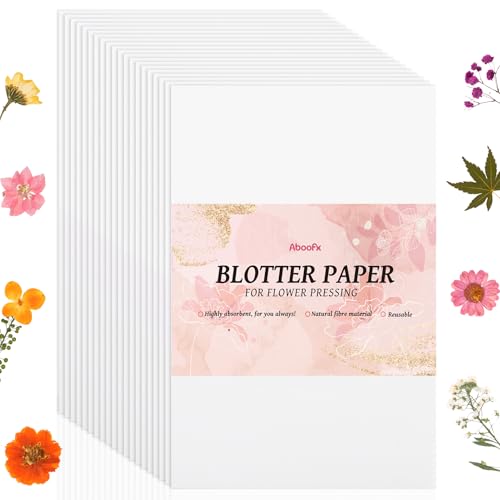
Aboofx 100 Sheets Blotting Paper for Flower Press

Rhykoka Large Flower Press Paper, 20 Sheets

Notoke Multi-Color Tissue Flower Wrapping Paper, 100 Sheets

BENECREAT 50 Sheets Blotting Paper for Flower Press

Meanplan 30 Pcs Blotting Paper for Flower Press
More Details On Our Top Picks
Most blotting sheets on the market run small, and that’s the problem this Berstuk pack solves head-on. At roughly 11.7 by 8.3 inches, each sheet gives dahlias, peonies, and full rose heads room to flatten without petals folding over the edge. Ten sheets suit a standard layered press load, and because blotting paper is reusable once fully dried, the pack can serve many batches.
The specialist herbarium-grade stock pulls moisture evenly, which matters more than any other spec here. Uneven drying is what turns petals brown or invites mold during those long weeks under pressure.
Strong Points
- Oversized sheets handle large blooms that smaller A5 refills simply can’t fit
- Moisture-wicking fibers dry flowers evenly, cutting down browning and mildew risk
- Sheets can be dried out and pressed into service again across multiple batches
- A ten-sheet pack lines a typical multi-layer press without gaps
Things To Consider
- Only ten sheets come in the pack, so heavy users may want a second order on hand
- Damp sheets need thorough air drying between uses, or performance drops off
Key Specs
Who It Suits Best
Gardeners and crafters who press full-sized flowers regularly and want dependable, even results batch after batch.
Where Another Pick Suits Better
Anyone running a compact A5-sized press will get better value from the Worown 60-pack below, since its smaller sheets match that format.
Where the Berstuk pack goes big, Worown goes deep on quantity. Sixty A5 sheets at around 6 by 8 inches mean you can line every layer of a small press, swap in fresh liners mid-dry, and still have spares for the next harvest. For anyone pressing daisies, violets, ferns, and other modest blooms, this size is honestly more practical than oversized stock.
The absorbent fiber blend is designed to wick water quickly, which helps petals hold their color instead of sliding toward brown. Owners commonly report it works well as a direct refill for compact wooden presses.
Bright Spots
- Sixty sheets keep a busy crafting season stocked without repeat orders
- A5 proportions fit small and medium presses neatly with minimal trimming
- Fast-absorbing fiber helps reduce browning and mold on delicate petals
Worth Noting
- Large blooms like peonies will overhang the 6-by-8-inch edges
- Sheets should be fully air-dried between batches to stay effective
Made For
Beginners and casual pressers working with small-to-medium flower presses and everyday garden varieties.
Consider Something Else When
You’ll be happier with the Berstuk pack above when your projects center on oversized blooms that need full herbarium coverage.
Ecoofor splits the difference between the bulk Worown pack and the premium Berstuk sheets: twenty A4-sized sheets at about 8.26 by 11.4 inches, with a stated thickness near 0.35 mm. That heft is the real story. Thin blotter can tear when wet petals stick to it, while this thicker natural-fiber stock stays intact through lifting and repositioning.
The generous dimensions also make trimming painless. One sheet yields two smaller liners for a compact press, or runs full-width in a large one, so the pack adapts as your equipment changes.
Reasons To Buy
- Near 0.35 mm thickness resists tearing when loaded with wet blooms
- A4 area covers medium and large press plates without piecing sheets together
- Cuts cleanly to custom sizes for mixed press collections
- Smooth surface keeps petal faces unmarked during the long press
Minor Gripes
- Twenty sheets go faster than you’d expect once you start trimming them down
Right Fit For
Intermediate crafters who own a mid-to-large press and want sturdy, reusable liners they can tailor to any project.
Not Your Match When
Volume pressers burning through liners weekly will find the Happinit hundred-sheet pack further down a smarter long-term buy.
Hundred-sheet packs change how you work. With Happinit’s supply, you stop rationing liners and start dedicating fresh sheets to every single layer, which is the habit that produces consistently clean, unspotted blooms. Each sheet measures roughly 10.2 by 7.9 inches with a stated 0.4 mm thickness, slightly beefier than the Ecoofor stock reviewed above.
The natural-fiber blend pulls moisture fast, and the brand positions these explicitly for herbarium work alongside adult pressing kits. In practice, that means they pair well with bolt-tightened wooden presses where several weeks of steady pressure is normal.
Plus Points
- A hundred sheets support a full season of back-to-back pressing projects
- 0.4 mm stock holds up to repeated handling and reuse cycles
- Quick moisture uptake helps preserve petal color and shape
- Sized to trim down for small kits or run whole in larger presses
- Suited to herbarium journaling as well as decorative pressing
Softer Spots
- Storage matters: keep unused sheets flat and dry or they may warp
- The large count takes up more shelf space than smaller packs
Quick Facts
Who Will Love This
Devoted pressers, teachers, and workshop hosts who move through liners quickly and want one purchase to last months.
Look Elsewhere When
Occasionals who press a handful of blooms a year are better served by the twenty-sheet Ecoofor pack, which costs less to shelve.
Not everyone owns a press yet, and this Carnation Canvas kit answers that gap with hardwood construction and ten pressing layers. The painted finish gives it a decorative quality most utilitarian presses lack, so it can sit on a craft-room shelf looking like part of the decor rather than hidden away. Functionally, ten layers translate to pressing dozens of blooms in one go.
Hardwood boards apply firm, even pressure across the stack, which is what delivers flat, fast drying. Pair it with any of the refill packs above and you have a complete setup from day one.
Highlights
- Quality hardwood frame applies steady, uniform pressure across layers
- Ten layers let you process a large cutting session simultaneously
- Painted, elegant finish doubles as display-worthy craft decor
Trade Offs
- Liners and blotters are separate purchases, unlike some all-in bundles
- Wood needs a dry storage spot to prevent swelling over time
- Heavier than cardboard alternatives, so shelf mounting deserves thought
Best Suited To
Adults setting up their first serious pressing station who value a handsome, durable tool over a bare-bones starter kit.
A Better Fit Elsewhere
Shoppers who already own a press should skip straight to the Aboofx hundred-sheet refill pack coming up next.
Aboofx competes directly with the Happinit bulk pack, matching the hundred-sheet count while edging slightly wider at approximately 8 by 10.3 inches per sheet. Thickness sits near 0.35 mm, the same class as the Ecoofor stock, so you get tear-resistant handling without excessive stiffness. The listing notes both 8 x 11.5-inch and 8 x 10.3-inch figures depending on specification source, worth double-checking on the product page before ordering.
Like its rivals, the natural-fiber blend absorbs water readily and trims easily for smaller presses. For large-format presses, the extra width means fewer seams across a full plate.
Upsides
- Hundred-sheet volume suits workshops, classrooms, and prolific home pressers
- Wide sheets cover big press plates with fewer joins
- Smooth, thick fiber handles wet blooms without falling apart
- Cuts down cleanly for compact kit refills
Points To Note
- Listed dimensions vary slightly between sources, so confirm before matching to your press
- Reused sheets need complete drying or they lose absorbency
Feature Snapshot
Who Should Grab It
Crafters running large wooden presses who want bulk supply and wide coverage in one economical package.
Swap It Out When
Those wanting the thickest available stock should lean toward the Happinit pack, whose 0.4 mm sheets take rougher handling.
Rhykoka’s twenty sheets measure 10.23 by 7.87 inches, and the brand designed them specifically to pair with its own flower press kit. That kit-matched fit is the selling point: no trimming, no overhang, no guessing whether your liners align with the bolts. Owners of the Rhykoka press get a drop-in refill experience the generic packs above can’t quite offer.
The natural herbarium stock absorbs moisture quickly, targeting the two failure modes every presser fears, browning and mold. Twenty sheets comfortably line a typical multi-layer session with a few spares left over.
Standout Traits
- Precise fit for Rhykoka press kits, ready to use out of the box
- Fast-acting natural fibers limit discoloration and mildew
- Twenty-sheet count balances cost against a full pressing round
Small Caveats
- Buyers with non-Rhykoka presses may need to trim sheets for a clean fit
- Smaller count than the hundred-sheet bulk packs elsewhere on this list
The Right Fit
Rhykoka press owners who want guaranteed-compatible refills without measuring or cutting anything themselves.
Another Choice May Suit
Universal-fit seekers will prefer the Aboofx pack, whose larger sheets adapt to nearly any press brand with simple trimming.
This Notoke set plays a different role than everything else here: it’s the finishing step after pressing, not the drying step itself. You get one hundred non-woven tissue sheets at 11.8 by 11.8 inches, split evenly across ten colors ranging from milky white and honey pink to mint green, grapefruit red, and lilac purple. The removable lining adds structure when wrapping finished bouquets or gifting pressed-flower arrangements.
The waterproof coating keeps wrapped stems tidy, though that same coating rules it out as a blotting liner. Treat it as the companion purchase to whichever absorbent pack above matches your press.
What We Like
- Ten coordinated colors cover nearly any bouquet theme or season
- Non-woven material resists tearing while folding crisp pleats
- Removable lining simplifies wrapping delicate arrangements
Honest Caveats
- Waterproof coating means zero absorbency, so it can’t replace blotting paper
- Colors may read slightly different in person depending on lighting
- One hundred sheets is a lot of storage for occasional gift-wrappers
Built With In Mind
Home florists and gift-makers who present pressed or fresh bouquets and want polished, color-matched wraps on hand.
Reach For A Different Pick When
Your goal is moisture control during pressing itself, in which case the BENECREAT square sheets reviewed next are the right tool.
BENECREAT takes an unusual angle: square sheets. At roughly 10.43 by 10.43 inches, fifty of them give you a symmetric canvas that fits either orientation in your press, handy when your plates aren’t a standard rectangle. The stated 0.1 mm thickness makes these noticeably thinner than the Ecoofor or Happinit stock, which cuts both ways.
Thin sheets conform closely to petals and press flat with less bulk, but they demand gentler hands when wet. The high absorbency also earns these a second life beyond flowers, since crafters commonly use similar blotter stock for ink and other liquid crafts.
Best Bits
- Square format works in any orientation inside the press
- Fifty sheets split the gap between starter packs and bulk buys
- Roomy area holds several small blooms per sheet
- Thin profile minimizes added bulk in tightly stacked presses
Areas To Watch
- At 0.1 mm, sheets tear more easily than thicker rivals when saturated
- Handle gently while transferring wet flowers to avoid ripples
Whose Shelf It Belongs On
Crafters pressing many small blooms at once who value layout flexibility over maximum sheet toughness.
Skip It When
Rough handling is your norm; the Meanplan embossed pack closing out this list is built tougher for exactly that situation.
Meanplan closes the list with thirty sheets of embossed natural-fiber blotter at 11.81 by 7.87 inches, an A4-class footprint close to the Ecoofor pick from earlier. The embossed texture isn’t cosmetic; it adds structural grip that helps the paper resist breaking, tearing, and soaking through even when loaded with freshly cut blooms. That toughness extends to reuse, with the material holding up across long-term preservation projects.
Beyond pressing, the sheets take ink and other liquids well, so scrapbookers and general crafters get double duty from one pack.
Positives
- Embossed fiber stands up to wet loads without tearing or soaking apart
- A4-class size covers medium and large press plates comfortably
- Doubles as an ink-absorbing sheet for scrapbook and art work
- Thirty sheets strike a sensible middle ground on quantity
Room For Improvement
- Embossed texture may leave a faint pattern on very delicate petals
- Dry sheets fully between uses to preserve absorbency over time
Core Details
Who Benefits Most
Mixed-media crafters who press flowers occasionally and want durable sheets that pull double duty in scrapbooking projects.
Where A Sibling Pick Shines
Delicate-petal specialists will likely favor the smooth-surfaced Ecoofor sheets, whose finish leaves less texture behind on fragile blooms.
What Matters Most Before You Choose
Match The Sheet To Your Press
Measure your press plates before ordering anything. A liner that overhangs the board wicks moisture unevenly and can trap humidity at the edges, while an undersized sheet forces you to piece sections together. Most wooden presses accept A4-class sheets with minor trimming, and brands like Rhykoka sell refills cut precisely for their own frames.
Thickness And Reuse Go Together
Thickness, measured in millimeters, predicts how a sheet survives wet conditions. Stock around 0.35 to 0.4 mm, like the Happinit and Ecoofor offerings, handles repeated lifting and reuse cycles. Thinner 0.1 mm sheets such as BENECREAT’s conform beautifully but reward gentle handling. Whatever you choose, plan to air-dry sheets completely between batches; damp liners lose absorbency and shorten their usable life.
Count Versus Commitment
Sheet count should mirror your actual pace. Casual pressers burn through twenty sheets slowly, while classroom or workshop settings empty a hundred-sheet pack within a season. Buying bulk saves money per sheet only when the sheets stay flat and dry in storage, so honest self-assessment beats optimistic stocking.
Beyond The Press
Some packs earn their place twice. Embossed and plain natural-fiber blotters absorb ink and craft liquids, making them useful for scrapbooking and calligraphy. Presentation-minded florists may add a wrapping set like the Notoke tissues to finish bouquets once drying is done.
Key Considerations Across These Picks
Traps First Timers Fall Into
The classic error is grabbing ordinary printer paper or newspaper because it’s on hand. Both shed fibers onto petals and dry unevenly, producing brown spots weeks later. Another common slip is ignoring sheet dimensions entirely, then discovering your “large” liners don’t reach the corners of a big press plate. Measure first, order second.
The Case For Spending Up
Higher-tier packs charge more for thicker fiber, tighter tolerances, and larger formats. That translates into sheets you can reuse across many batches instead of replacing after one soggy session. Frequent pressers recoup the difference quickly; once-a-year crafters usually don’t, and a modest twenty-sheet pack serves them just as well.
Frequently Asked Questions
How long does pressed flower paper take to dry?
Sheets typically need two to four weeks under steady press pressure, depending on bloom thickness and humidity. Always air-dry the paper itself fully before reusing it.
Can blotting paper be reused for multiple batches?
Yes, quality natural-fiber sheets can be dried and reused many times. Replace them once they stay limp, stained, or lose their absorbent feel.
What size paper fits a standard flower press?
Most medium presses accept sheets around 6 by 8 inches up to A4 size. Oversized herbarium sheets near 11 by 8 inches suit large-format presses best.
Why did my pressed flowers turn brown?
Browning usually traces to trapped moisture, meaning the liner wasn’t absorbing evenly or wasn’t changed often enough. Fresh, dry blotting paper and consistent pressure prevent most cases.
Do I need to replace the paper between layers?
Each flower layer benefits from its own dry liner on both sides. Sharing sheets between layers slows drying and raises mold risk considerably.
Closing Thoughts
The right blotting paper quietly decides whether your pressed flowers emerge crisp or disappointing. Start by matching sheet size to your press, then pick a count that matches your real crafting rhythm rather than your ambitions. Bulk packs like Happinit and Aboofx reward frequent pressers, while Ecoofor and Meanplan hit a comfortable middle ground for most home crafters. Whichever route you take, dry your sheets thoroughly between batches and your blooms will thank you with color that lasts.