
A 16×20 press changes the game once you move past single shirts. Hoodies, pillowcases, canvas totes, and back prints all fit without repositioning, which means fewer seams and faster production. This roundup covers large-format clamshells, swing-away combos, slide-out designs, and the PTFE sheets that protect your platen along the way.
The Shortlist At A Glance
The Shortlist At A Glance

HTVRONT Heat Press Machine for T Shirts with Pressure Display

VEVOR 8 in 1 Heat Press Machine 15×15 Inch

SmarketBuy Upgraded Heat Press 16×24 Inch with Pull Out Lower Platen

TransOurDream PTFE Teflon Sheets, 16 x 20″, 4 Pack
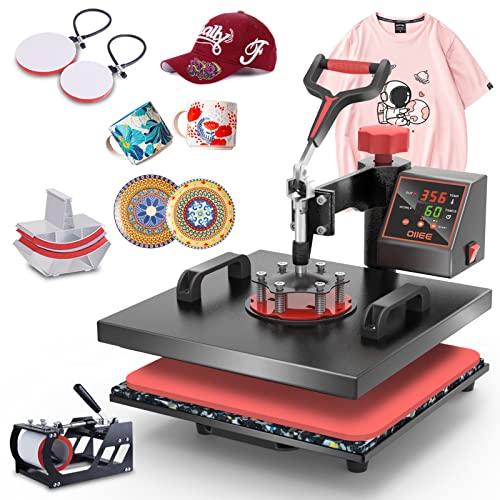
OIIEE Heat Press Machine 5 in 1 Combo 15 x 15 Inch

SmarketBuy Heat Press Machine 16×20 Inch Clamshell 1700W
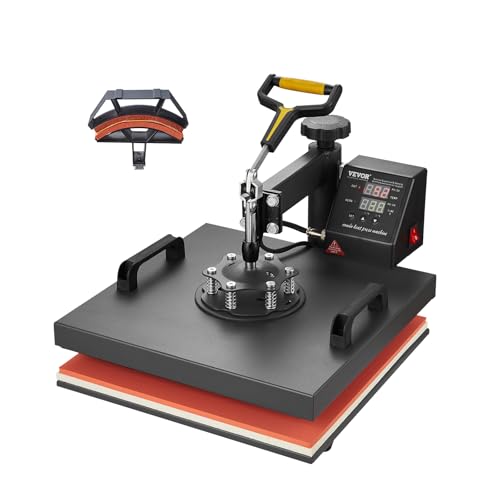
VEVOR 2 in 1 Heat Press Machine for T Shirts and Hats, 15×15 Inch

Fancierstudio Heat Press 16×20 Lower Platen Pull Out FS16x20BP Black

VEVOR Heat Press Machine 16″ x 24″ 1700W Power Clamshell Black

CoolSub Heat Press 15×15 Inch Slide Out Machine Hot Pink
More Details On Our Top Picks
Pressure is the variable most beginners guess at, and guessing ruins transfers. This HTVRONT unit reads pressure through a built-in sensor and shows the number live on a digital screen alongside time and temperature, so you can repeat a setting instead of hoping your arm applied the same force twice.
In a small craft room, that feedback loop matters more than raw platen size. You dial in a value for cotton tees, note it, and get consistent results batch after batch.
Strong Points
- Live pressure readout removes trial-and-error from every new fabric type
- One screen tracks pressure, time, and temperature together, so settings are easy to log
- Compact footprint suits spare bedrooms and shared workspaces better than 16×24 machines
- Digital adjustments make switching between HTV and sublimation profiles quick
Things To Consider
- The smaller heating area limits you to front prints, kids’ sizes, and tote panels rather than full-back designs
Who It Suits Best
Newcomers who want repeatable results without learning pressure by feel, especially anyone working in tight quarters.
A Better Fit Elsewhere
For full-size hoodies and back prints, the SmarketBuy 16×24 model gives you far more working area.
Where the HTVRONT focuses on one job done precisely, this VEVOR spreads its ambition across eight. The 15×15 flat platen handles shirts, while swappable attachments cover mugs, caps, and plates, letting one machine serve an entire product line from a single corner of your studio.
The dual-tube heating design spreads warmth more evenly than single-element presses, which shows up in fewer cold spots on wide transfers. A dual-screen digital controller with silicone buttons handles settings, and toggling between Celsius and Fahrenheit takes one button press.
What We Like
- Eight functions mean shirts, mugs, hats, and plates all come off one bench
- Double-tube heating reduces uneven patches that plague cheaper single-element platens
- 360-degree swing-away head keeps hot surfaces away from your hands during loading
- Unit conversion at the push of a button helps when recipes mix measurement systems
Minor Gripes
- Swapping between attachments takes time, so high-volume single-product runs go faster on a dedicated clamshell like the SmarketBuy 16×24
- The multi-function frame occupies more floor space than a basic flat press
Made For
Sellers building a varied catalog of personalized gifts who need flexibility over raw speed.
Swap It Out When
If shirts are your only product, the OIIEE combo below covers similar ground with a simpler attachment set.
This is the workhorse of the list. An 1800W element drives a 16×24 platen, giving you room for full-back prints on adult hoodies or two standard shirts per cycle depending on layout. The pull-out lower platen slides forward so you can arrange a garment flat before pressing instead of reaching under a hot upper head.
Fully digital controls span 32 to 400 degrees Fahrenheit and up to 999 seconds of timer range, with an alarm that signals when a cycle finishes. In a busy production afternoon, that chime keeps you from over-pressing while juggling other tasks.
Highlights
- Pull-out lower platen makes garment loading safer and squaring designs easier
- 1800W output recovers heat quickly between consecutive presses
- Wide temperature and timer ranges accommodate everything from delicate synthetics to heavy DTF film
- Audible end-of-cycle alert prevents scorched transfers during multitasking
- High-pressure clamping suits thick fabrics and rhinestone applications
Small Caveats
- The 16×24 body needs serious desk space and likely a dedicated circuit in older homes
- Clamshell heads offer less clearance visibility than swing-away designs when positioning thick items
Quick Facts
Right Fit For
Volume sellers printing full-back designs daily who want industrial capacity without an industrial price tag.
Reach For A Different Pick When
Smaller studios should look at the SmarketBuy 16×20 below, which trims size and wattage while keeping the same family feel.
No press survives long without these. PTFE sheets, often called Teflon paper, act as a non-stick barrier between your transfer and the heated platen, catching stray vinyl edges, ink bleed, and adhesive residue before they bake onto the metal surface.
This four-pack runs 16 by 20 inches, sized to cover 15×15 platens with margin to spare. The high-density material has a smooth, finely textured finish, wipes clean easily, and can be trimmed with scissors to fit smaller presses or mug attachments.
Plus Points
- Four sheets let you rotate and replace as surfaces wear or get contaminated
- 16×20 coverage fits most mid-size platens in this roundup with overlap to spare
- Works across HTV, DTF, sublimation, and general crafts, so one pack serves every method you try
- Scissor-trimmable sizing adapts to mug presses and odd-shaped blanks
Points To Note
- Sheets gradually accumulate residue and need periodic wiping or replacement, a normal maintenance cost of regular pressing
Who Will Love This
Anyone pairing these with the VEVOR or OIIEE 15×15 machines, where the sheet fully shields the platen edge to edge.
Another Choice May Suit
Owners of the 16×24 SmarketBuy will find these sheets slightly short; that machine’s coated platen reduces the need anyway.
The OIIEE sits between the VEVOR’s eight functions and a plain flat press. You get the 15×15 shirt platen plus a mug attachment, a hat press, and two plate sizes, which covers the classic personalized-gift catalog without paying for attachments you may never use.
The 360-degree swing-away head swings completely clear of the lower platen, a layout many first-time owners find less intimidating than a clamshell closing toward their fingers. Digital controls handle time and temperature for each attachment type.
Bright Spots
- Five functions cover shirts, mugs, caps, and two plate diameters in one purchase
- Swing-away design gives unobstructed access when arranging blanks
- Digital settings make it simple to save different profiles per attachment
- Handles bags, mouse pads, and other flat blanks beyond clothing
Honest Caveats
- Attachment changes interrupt workflow, so mixed-product days run slower than single-item runs
- Combo mechanisms have more moving parts than a fixed clamshell, and owners commonly report needing occasional tightening of knobs and hinges
At A Glance
Who Should Grab It
Hobbyists turning gifts into a weekend side business who want mug and cap capability without the VEVOR’s larger attachment set.
Consider Something Else When
Shirt-only shops get better throughput and a bigger platen from the SmarketBuy 16×20 clamshell.
This is the machine that matches the article’s headline size exactly. The 16×20 Teflon-coated platen distributes heat evenly across the whole surface, and an insulation layer underneath limits heat loss, which keeps temperatures stable through long sessions and eases the load on your outlet.
Compared with its 16×24 sibling reviewed earlier, this one trades four inches of depth and some wattage for a smaller bench footprint. Pillowcases, canvas bags, and adult garments still fit comfortably, making it a sensible middle path for growing home studios.
Reasons To Buy
- Teflon-coated platen resists residue buildup and wipes clean after sticky transfers
- Insulation layer holds steady temperatures and reduces wasted energy
- Even heat distribution improves adhesion consistency across large designs
- 1700W output balances recovery speed with ordinary household circuits
Softer Spots
- Clamshell geometry offers less clearance than swing-away models for bulky items like layered hoodies
- You give up the pull-out lower platen found on the bigger SmarketBuy, so loading requires sliding garments under the open head
Details At A Glance
Whose Shelf It Belongs On
Intermediate crafters pressing pillowcases, totes, and adult apparel who want genuine 16×20 coverage in a manageable package.
Not Your Match When
Anyone needing maximum width should step up to the VEVOR 16×24 clamshell covered later in this list.
Cap printing usually means buying a separate hat press, but this VEVOR bundles a curved 6×3-inch cap platen beside its 15×15 flat bed. Both use silica gel and sponge construction, which conforms gently to fabric and heats quickly, and a soft liner accommodates different material thicknesses.
Against the OIIEE five-in-one, this pick drops the mug and plate attachments in exchange for a simpler, lighter frame. Team-order sellers who split their week between shirts and caps will find that trade worthwhile.
Standout Traits
- Dedicated curved cap platen produces cleaner hat fronts than flat-press workarounds
- Silica gel and sponge pads deliver quicker warm-up and gentler contact
- Soft heating liner tolerates varied material thicknesses without scorching
- Swing-away head keeps the workspace clear during blank swaps
Worth Noting
- No mug or plate function, so gift-focused sellers should stay with the OIIEE or VEVOR eight-in-one
- The 6×3 cap platen handles standard ball caps but not wider visor styles
Who It’s Built With In Mind
Sports-team and spirit-wear printers whose order mix leans heavily toward shirts paired with caps.
Look Elsewhere When
Kitchen-table crafters wanting drinkware too will get more mileage from the OIIEE combo above.
Fancierstudio built its reputation in rhinestone and sublimation circles, and this 16×20 model explains why. The lower platen pulls out a full 5.5 inches, so you can position a template, align stones, or lay transfer paper with the whole work surface in plain sight, then slide it home and press.
A coated heat platen and included coated sheet protect against residue, and the silicon rubber base mounts lightly so future replacement stays straightforward. Those details add up to a machine designed for people who press daily and care about alignment precision.
Upsides
- 5.5-inch pull-out platen makes precise placement possible without leaning under a hot head
- Coated platen plus included sheet double up on residue protection
- Serviceable silicon rubber base extends usable life through part replacement
- Industrial-grade build suits rhinestone templates and multi-layer layouts
Areas To Watch
- The pull-out rail adds a maintenance point, and owners commonly report keeping the track clean keeps the slide smooth
- Black finish shows dust and lint more readily than lighter machines
Core Details
Perfect Match For
Rhinestone artists and sublimation pros who align intricate layouts and need the platen within easy reach.
Where A Sibling Pick Shines
General shirt printers without alignment-heavy workflows can save money with the SmarketBuy 16×20 clamshell.
Size is the story here. At 16 by 24 inches, this VEVOR carries the largest heating pad in the roundup, big enough for oversized back prints, blanket panels, or multiple smaller items in a single cycle. The sponge-backed pad is rated for a long service life and warms quickly across its full area.
A Teflon insulation coating lowers the outer surface temperature and simplifies cleanup, while the soft liner flexes around different fabric weights. Next to the SmarketBuy 16×24, you trade the pull-out platen for VEVOR’s coating and liner approach, so the right choice depends on whether loading convenience or surface protection matters more to you.
Positives
- Largest platen here fits full-back designs and batch pressing of smaller blanks
- Teflon coating keeps the exterior cooler and residue wipes away easily
- Soft heating liner accommodates varied material thicknesses
- 1700W element supports fast warm-up despite the generous surface area
Trade Offs
- The sheer footprint demands a sturdy table and dedicated floor space
- Fixed clamshell loading means reaching across a wide open head on every garment
Best Suited To
Production-minded sellers handling bulk school, team, or event orders where platen real estate directly equals output.
Skip It When
Home users with limited space will be happier with the compact VEVOR two-in-one earlier in this list.
The drawer-style design sets this CoolSub apart. Instead of swinging a head aside or lifting a clamshell, the entire lower platen slides out like a drawer, so your hands never pass under a heated surface. For households with curious kids or pets, that layout removes a real worry.
The Teflon non-stick heating plate cleans easily and plays well with HTV, DTF film, and sublimation paper on shirts, bags, and tiles. Adjustable pressure via the digital controls lets you tune clamping force per fabric, and the hot pink finish adds personality most black boxes lack.
Best Bits
- Full slide-out drawer keeps hands clear of the heating element entirely
- Teflon-coated plate resists sticking and wipes down quickly
- Adjustable pressure tuning adapts to thin tees and thick totes alike
- Distinctive color stands out in a crowded craft fair booth
Room For Improvement
- The 15×15 platen trails the true 16×20 machines for oversized designs
- Drawer rails are an extra mechanism to keep lint-free over years of use
Feature Snapshot
The Right Fit
Safety-first home crafters and beginners who value smooth loading mechanics over maximum platen size.
Where Another Pick Suits Better
Growing businesses needing larger coverage should compare the SmarketBuy 16×20 clamshell instead.
What Matters Most Before Choosing 16 X 20 Heat Presses
Platen Size Versus Workspace Reality
A 16×20 platen sounds generous until you measure your table. These machines need a sturdy, level surface with clearance behind and above the open head, plus a wall outlet that isn’t already loaded. Measure first, then choose between the 16×20 sweet spot and the wider 16×24 options only if your room allows it.
Clamshell, Swing Away, Or Slide Out
Clamshells close straight down and take the least floor space. Swing-away heads rotate fully clear, giving you an unobstructed view for placing designs. Slide-out drawers, like the CoolSub, keep hands entirely away from heat. Your choice shapes daily comfort more than any spec sheet number.
Heat Distribution And Recovery
Even heating separates good transfers from patchy ones. Dual-tube elements, Teflon coatings, and insulation layers all contribute, and higher wattage means the platen bounces back faster between presses. Volume sellers feel this difference most; hobbyists pressing a few items weekly rarely notice.
Matching The Machine To Your Product Mix
Shirt-only shops gain nothing from mug attachments. Gift sellers need them. List what you’ll actually press over the next year, then buy for that list rather than for features that sound impressive today.
Key Considerations Across These Picks
Traps First Timers Fall Into
The most common mistake is buying bigger than your space or circuit supports, then returning a perfectly good machine. Second is skipping PTFE sheets, which leads to residue baked onto a platen that’s miserable to clean. Check both before checkout.
What Separates Premium From Basic
Higher-tier presses spend their extra cost on even heat distribution, stronger clamping pressure, and serviceable parts like replaceable silicone pads. Casual users won’t feel the gap. Anyone pressing fifty shirts a week will, and for them the upgrade pays for itself in fewer ruined blanks.
Frequently Asked Questions
Is a 16×20 platen really necessary for t-shirts?
A standard front print fits a 15×15 press fine. The extra size earns its keep on hoodies, pillowcases, back prints, and pressing two smaller items at once.
Do I need PTFE sheets if my platen is already coated?
A coated platen resists residue, but a sheet adds a sacrificial layer that catches stray vinyl and ink. Most experienced pressers use both.
How much pressure should a heat press apply?
It varies by material and transfer type, so follow your transfer paper’s guidance. Machines with pressure displays, like the HTVRONT, make repeating a known-good setting much easier.
Can one machine handle both sublimation and HTV?
Yes, provided the platen reaches the temperatures each method needs. Just change settings between jobs and keep separate PTFE sheets for each to avoid cross-contamination.
How long do these presses typically last?
With reasonable care, quality machines serve for years. Wipe the platen regularly, keep rails and hinges free of lint, and avoid slamming the handle to extend its life.
Closing Remarks
Choosing among these ten comes down to honest self-assessment. Count your weekly volume, measure your workspace, and decide whether mugs and caps belong in your future. Match the machine to that reality rather than to the biggest spec sheet, and whichever press lands on your bench will earn its place.