
A bigger hoop changes what you can make. With a 5×7 field or larger, you can fit jacket-back monograms, tote panels, and quilt blocks without splitting a design into sections and hoping the seams line up. That’s the real problem this list solves: picking a machine whose hoop matches the projects you actually finish, not the ones you pin at midnight.
Below you’ll find ten machines spanning true beginner hoops, dual sewing-and-embroidery workhorses, and one multi-needle unit built for small-batch production. Each entry breaks down strengths, honest trade-offs, and who the machine genuinely fits, so you can match hoop size, connectivity, and workflow to your craft room rather than guessing.
The Shortlist At A Glance

Poolin EOC06 Embroidery Machine 11×7.9″ Area

Poolin EOC05 Embroidery Machine for Beginners

Smartstitch S-1001 10-Needle Embroidery Machine
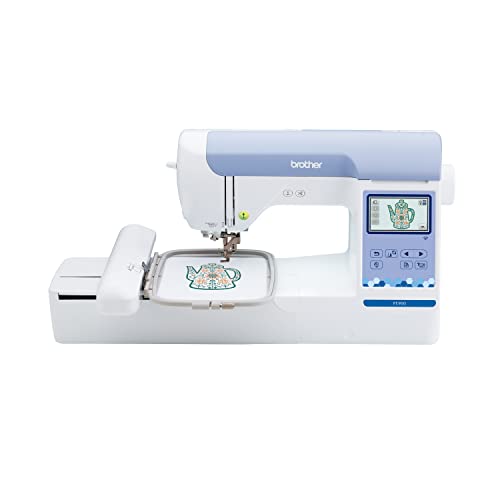
Brother PE900 Wireless Embroidery Machine
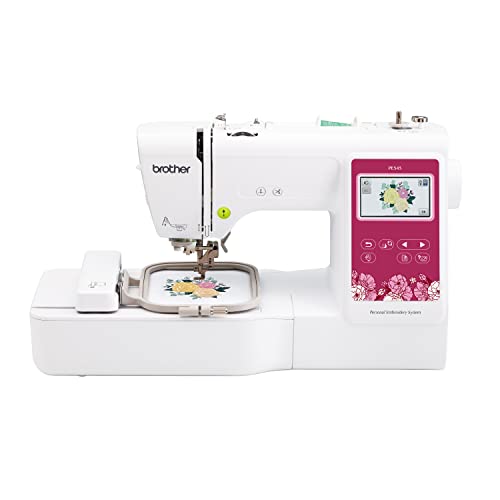
Brother PE545 Wireless Embroidery Machine 4×4

Brother Skitch Single-Needle Embroidery Machine

Brother SE2000 Sewing and Embroidery Machine

Brother NQ1700E Embroidery Machine 6×10 Field

SINGER SE9180 Sewing and Embroidery Machine

Brother Innov-is NQ1700E with BES Blue Software
More Details On Our Top Picks
The EOC06 stretches further than most home machines on this list, offering an 11 by 7.9 inch maximum field alongside smaller 7.9 and 5.5 inch hoop options. In practice, that means jacket backs and large tote panels run in one pass instead of three rehoops.
The 7-inch touchscreen handles design placement and editing directly on the machine, and both USB sticks and wireless transfer move files over. Poolin also runs active owner communities and video tutorials, which softens the learning curve considerably for newer users.
Strong Points
- Oversized 11 x 7.9 inch area fits jacket backs and large panels without splitting designs
- Three hoop sizes included, so small monograms and big projects share one machine
- Wireless and USB design transfer keeps the computer out of the loop
- 200 built-in designs give you something to stitch the day it arrives
- Active user groups and tutorial channels help beginners troubleshoot fast
Things To Consider
- Embroidery-only, so garment construction still needs a separate sewing machine
- Owners commonly report a break-in period while tension settings settle on new thread brands
Key Specs
Who It Suits Best
Home embroiderers ready to move past 4×4 limits and take on apparel backs, bags, and quilt blocks in single passes.
Where A Sibling Pick Shines
Total newcomers may find the Poolin EOC05’s narrower field and starter kit less intimidating for a first machine.
Where the EOC06 chases size, the EOC05 chases confidence. Its 4 by 9.25 inch field is deliberately narrow and tall, a shape that suits shirt fronts, hoodie chests, and bag flaps better than wide jacket panels. Nothing about the layout overwhelms a first-timer.
The same 7-inch touchscreen carries over from its sibling, and designs arrive by WiFi or USB. Two hoops ship in the box along with a starter kit, so threading, stabilizer, and bobbin basics are covered before your first order of supplies lands.
What We Like
- Tall 4 x 9.25 inch field matches shirt and hoodie placements naturally
- Starter kit and two hoops mean fewer separate purchases on day one
- WiFi and USB transfer options suit both phone-based and desktop workflows
- Touchscreen interface shortens the learning curve noticeably
Worth Noting
- No sewing capability, so hemming and construction happen elsewhere
- Narrow width rules out wide chest logos and jacket-back work
Made For
Home DIY users stitching their first personalized shirts, hoodies, and gifts without prior machine experience.
Consider Something Else When
Crafters planning large-format pieces should step up to the Poolin EOC06 and its 11-inch field instead.
Everything before this point runs one needle; the S-1001 runs ten. Ten needles means ten threads loaded at once, so a six-color cap logo stitches start to finish with zero mid-run rethreading. For anyone selling hats or shirts in batches, that difference alone reshapes the workday.
Speed reaches 1200 stitches per minute, automatic trimming and color changes run unattended, and a self-lubrication system cuts maintenance sessions down. The 9.5 by 14.2 inch field dwarfs every other pick here, handling flat goods, caps, and tees alike.
Highlights
- Ten needles eliminate color-change rethreading on multi-color jobs
- 1200 SPM top speed shortens production runs dramatically
- Auto trim, auto color change, and thread-break detection reduce babysitting
- Self-lubrication system simplifies routine upkeep
- Laser positioning speeds up accurate hooping
Trade Offs
- Footprint, weight, and cost far exceed hobby-class machines
- Commercial features carry a steeper learning curve than touchscreen-only units
- Overkill for occasional gift stitching
Feature Snapshot
Right Fit For
Side-hustle and small-shop operators producing hats, tees, and flat goods in repeatable batches.
Swap It Out When
Hobbyists stitching a few pieces weekly will get more value from the Brother PE900 at a fraction of the commitment.
This is the machine the search term was written for: a genuine 5 by 7 inch embroidery field backed by Brother’s famously approachable interface. The wireless connection pulls designs straight from compatible sources, skipping USB drives entirely, which matters more than it sounds once you’re transferring files weekly.
Built-in designs cover everyday needs, and importing your own opens the door to purchased and digitized patterns. Compared with the Smartstitch above, the PE900 trades production muscle for a lighter frame, quieter operation, and a much gentler price of admission.
Upsides
- True 5 x 7 inch field fits the monograms and panels most home projects need
- WLAN connectivity transfers designs without cables or card readers
- Brother’s menu structure is widely regarded as beginner-accessible
- Supports imported designs from compatible sources for growing libraries
Minor Gripes
- Single needle means manual color changes on multicolor designs
- Embroidery-only body adds a second machine to the room for sewists
At A Glance
Best Suited To
Dedicated embroidery hobbyists who want the classic 5×7 format with modern wireless convenience.
Not Your Match When
Anyone needing sewing stitches too will prefer the combo-style Brother SE2000 later in this list.
Not everyone needs seven inches of hoop. The PE545 keeps Brother’s wireless workflow and friendly LCD interface but shrinks the field to 4 by 4 inches, which covers pocket monograms, hat fronts, baby items, and corner motifs comfortably. It’s the smallest, lightest Brother here.
The design library includes 135 built-in patterns, ten frame styles, and ten fonts for lettering, so personalization works straight from the menu. Against the PE900, you lose three inches of width but gain a machine that tucks onto a shelf between sessions.
Bright Spots
- 135 built-in designs plus 10 fonts cover monogramming immediately
- Wireless design transfer matches pricier siblings
- Compact body suits apartments and shared craft corners
- Lower entry cost leaves budget for thread and stabilizer
Small Caveats
- 4 x 4 inch field splits larger designs into multiple hoopings
- LCD screen is smaller and less visual than touchscreen rivals
Who Will Love This
Apartment dwellers and gift-makers focused on small motifs, names, and baby items.
Look Elsewhere When
Jacket backs and tote panels call for the Brother PE900’s full 5×7 field instead.
The Skitch takes a different bet than every other machine here: your phone is the brain. Designs are created and edited in Brother’s Artspira mobile app, then sent to the machine over Bluetooth, no USB stick required. Drawing a doodle at lunch and stitching it after dinner is a genuinely fun workflow.
The trade-off is dependency. The app is required to drive the machine, so tablet-and-desktop holdouts may feel constrained. As a compact single-needle starter, though, it turns design creation into part of the hobby rather than a separate software chore.
Reasons To Buy
- Bluetooth pairing sends designs from the Artspira app without cables
- In-app drawing and editing tools make custom designs approachable
- Single-needle simplicity keeps operation straightforward
Points To Note
- Requires the companion app, which won’t suit offline workflows
- Some app features involve additional costs beyond the machine itself
Who Should Grab It
Phone-first creatives who want to sketch, tweak, and stitch their own artwork with minimal setup.
Another Choice May Suit
Shoppers wanting built-in screens and onboard editing will find the Poolin EOC06 more self-sufficient.
Two hobbies, one footprint. The SE2000 pairs 241 built-in sewing stitches with 193 embroidery designs, so hemming pants and monogramming the resulting pocket happen on the same chassis. The Artspira app adds another batch of downloadable designs to the library.
A color LCD touchscreen previews designs and edits before you commit thread to fabric, which saves real material on ambitious layouts. Next to the embroidery-only PE900, you pay more but skip buying a second machine entirely, often the smarter math for spare rooms.
Plus Points
- 241 sewing stitches handle garment construction and quilting
- 193 built-in embroidery designs cover most personalization needs
- Color touchscreen shows edits before stitching begins
- Artspira app expands the design library over time
Softer Spots
- Combo mechanism adds complexity compared with dedicated machines
- Switching between modes involves swapping parts and plates
Quick Facts
The Right Fit
Home sewists who alternate between constructing projects and decorating them, all within one machine.
Reach For A Different Pick When
Pure embroidery focus with no sewing needs points back to the simpler Brother PE900.
Step up from 5×7 and you land here: a 6 by 10 inch field that swallows quilt blocks, sash panels, and oversized lettering in one hooping. The bundled magnetic hoop is the quiet hero, snapping fabric taut in seconds without fiddling with screws, a genuine time-saver across long project days.
This bundle also ships with BES Blue embroidery software, bringing on-screen typing, font categories, fills, and underlay controls to your computer. Compared with the base NQ1700E below, this package front-loads the software investment many owners buy separately anyway.
Standout Traits
- 6 x 10 inch field exceeds standard 5×7 capacity for larger layouts
- Magnetic hoop speeds up hooping and reduces fabric distortion
- Bundled BES Blue software adds serious lettering and fill control
- Large design library spans occasions and styles
Areas To Watch
- Larger hoop demands deeper clearance behind and beside the machine
- Software learning curve adds time before advanced features click
Built With In Mind
Quilters and home decorators working oversized blocks and continuous borders regularly.
Skip It When
Tight budgets favor the value-focused Brother NQ1700E bundle listed next.
Singer loads this combo generously: 250 sewing stitches, 401 stitch applications, 150 embroidery designs, and ten fonts, plus mirror imaging and endless-hoop capability for continuous borders on quilts and curtains. The accessory kit arrives stocked with presser feet, bobbins, and tools, trimming early extra purchases.
Wi-Fi connectivity through the mySewnet ecosystem pushes designs wirelessly and reports progress to your phone. The 7-inch color touchscreen is the largest here, and sewing speed tops out around 800 stitches per minute against roughly 450 for embroidery, respectable figures for a dual-purpose body.
Positives
- 250 stitches and 401 applications cover nearly any garment task
- Endless hoop mode creates continuous borders for decor and quilts
- Generous included accessory kit reduces add-on spending
- mySewnet Wi-Fi enables wireless transfers and progress notifications
- Automatic needle threader and drop-in bobbin cut setup friction
Honest Caveats
- Embroidery speed trails dedicated machines like the Smartstitch S-1001
- Feature depth can overwhelm absolute beginners at first
Core Details
Whose Shelf It Belongs On
Experienced garment sewists adding serious embellishment power without abandoning sewing.
A Better Fit Elsewhere
Embroidery-only shoppers get a cleaner path with the Brother PE900 and its focused interface.
Same 6 by 10 inch backbone as the magnetic-hoop bundle above, packaged for value hunters. You still get the generous field, hundreds of built-in designs, and the BES Blue software suite with its on-screen typing and underlay controls, which is where much of this bundle’s worth sits.
Brother positions the NQ1700E for everyone from first-timers to advanced stitchers, and the feature set backs that claim reasonably well. The main sacrifice versus pick eight is the standard hoop hardware, so expect screw-adjusted hooping rather than magnetic snap-on speed.
Best Bits
- 6 x 10 inch field at a friendlier package cost
- BES Blue software included for lettering and design control
- Large built-in design library suits varied projects
- Scales with skill from beginner layouts to advanced compositions
Room For Improvement
- Standard hoop takes longer to secure than magnetic versions
- Body lacks sewing functions, pairing poorly with mending-heavy households
Perfect Match For
Monogramming enthusiasts who want maximum hoop size and software without premium bundling.
Where Another Pick Suits Better
Shoppers prioritizing quick fabric changes should weigh the magnetic-hoop NQ1700E bundle instead.
Choosing Between These Machines Without Regret
Match The Hoop To Your Projects
Measure the largest design you realistically stitch, then add breathing room. Shirt monograms live happily in 4×4 fields, jacket backs demand 6×10 or larger, and quilt blocks sit somewhere between. Buying a bigger hoop than your projects need wastes money and table space; buying smaller means constant rehooping and visible split lines.
Decide On Combo Versus Dedicated
Combo machines like the SE2000 and SE9180 sew and embroider, saving a second purchase and a second footprint. Dedicated bodies such as the PE900 tend to feel simpler and focus their engineering purely on embroidery. Count how often you actually sew; occasional menders are often happier keeping the two tasks separate.
Weigh Connectivity Honestly
USB transfer works everywhere and never drops a signal. Wireless and Bluetooth options save trips to the computer and pair naturally with phone-based apps like Artspira. Your existing habits matter more than spec sheets here, since a workflow you enjoy is one you’ll maintain.
Factor Support And Consumables
Thread, stabilizer, needles, and hooping supplies are recurring costs regardless of brand. Machines with strong owner communities, video tutorials, and responsive support shorten troubleshooting when tension acts up or a design misbehaves, which happens to everyone eventually.
Key Considerations Across These Picks
Traps First Timers Fall Into
The most common mistake is buying hoop size for imagined projects instead of current ones. Newcomers also underestimate consumable costs and skip stabilizer research, then blame the machine for puckered fabric. Read return policies carefully and start with a modest field; upgrading later costs less than regretting a bulky purchase now.
The Case For Spending Up
Higher-tier models earn their price through automation: auto thread trimming, color change detection, self-lubrication, and multi-needle setups. Each feature removes hands-on minutes per project, and those minutes compound fast in batch work. Hobbyists stitching weekly gain little; anyone selling finished pieces usually recovers the difference in saved labor.
Frequently Asked Questions
Is a 5×7 embroidery field big enough for most home projects?
For shirt fronts, tote sides, and medium monograms, yes, comfortably. Jacket backs and large quilt blocks generally need 6×10 or bigger.
Do these machines sew regular seams too?
Only the combo models do, specifically the Brother SE2000 and SINGER SE9180. The rest are embroidery-only and need a separate sewing machine.
Can I import my own designs?
Every machine here accepts external designs, whether by USB, wireless transfer, or a companion app. File formats vary slightly, so check compatibility with your design source.
How steep is the learning curve for a complete beginner?
Touchscreen models with built-in tutorials, like the Poolin EOC05, are manageable within a few sessions. Multi-needle commercial units demand more patience and practice.
What ongoing supplies will I need?
Embroidery thread, stabilizer, needles, bobbins, and hooping aids are recurring purchases. Budget for these alongside the machine itself.
Closing Thoughts
The right choice comes down to honest self-assessment. Match the hoop to the projects already on your list, pick connectivity that fits your habits, and choose combo or dedicated based on how much you actually sew. Any machine here will produce work you’re proud of once the tension settles and the stabilizer drawer fills. Start where your skills are today, and let the hobby grow into the upgrade.