
Playing an acoustic guitar through a PA or recording rig lives or dies by what happens before the signal leaves your hands. A good preamp or DI tames piezo harshness, keeps feedback at bay, and makes a plugged-in acoustic actually sound like an acoustic. This roundup covers ten options across pedals, onboard systems, amps with built-in preamps, and studio-grade tube units, so you can match the right tool to how you actually play.
The Shortlist At A Glance

Behringer V-TONE Acoustic Driver DI ADI21

Satone S805 Mandarin Overdrive Preamp Pedal

Fender Acoustasonic 40-Watt Acoustic Amp Combo
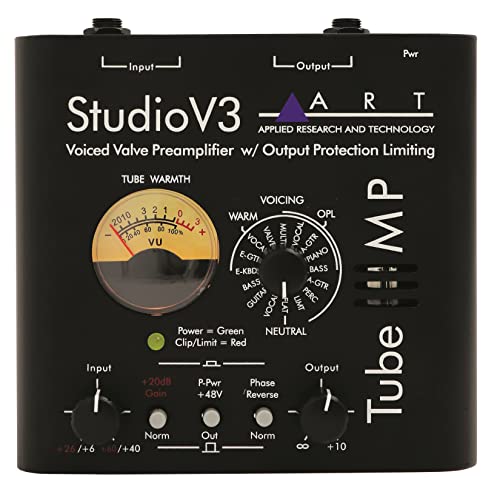
ART Tube MP Studio V3

Fishman Loudbox Mini Acoustic Amplifier (Brown)
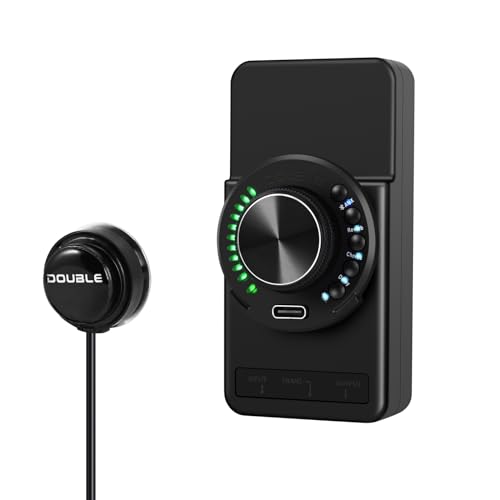
SUNYIN Mini On-Board Bluetooth Guitar Preamp
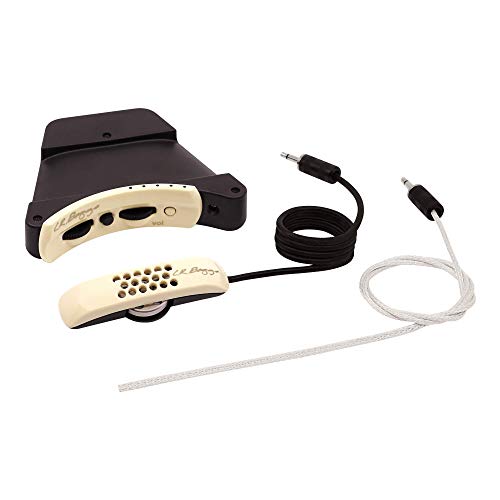
L.R. Baggs Anthem Acoustic Guitar Pickup and Microphone

Tbest F-5T 5-Band Equalizer Pickup with Tuner
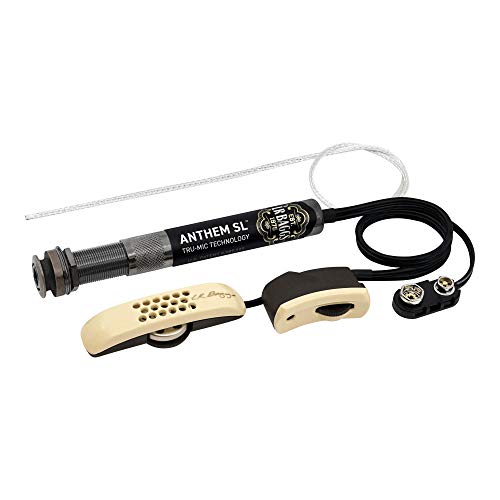
L.R. Baggs Anthem-SL Acoustic Guitar Pickup and Microphone

Fishman Matrix Infinity Pickup & Preamp System
More Details On Our Top Picks
Stomp into any open mic with a bare piezo pickup and you’ll hear that brittle, quacky edge nobody wants. The ADI21 exists to fix exactly that, sitting on your pedalboard as an analog modeling preamp with a direct recording output for plugging straight into a mixer.
The trick is its three-band EQ with sweepable mids, which lets you pinpoint and pull down the specific frequency where piezo harshness and feedback live. Its high input impedance also protects your guitar’s signal strength and dynamics, something cheaper buffers often flatten out.
Strong Points
- Sweepable mid control targets feedback frequencies precisely instead of broad, blunt EQ cuts.
- Tube and microphone modeling circuitry adds natural warmth, so a direct feed sounds closer to a miked guitar.
- High impedance input preserves pick attack and dynamic range from passive pickups.
- Doubles as a stompbox and a recording DI, covering rehearsal rooms and studio sessions alike.
Things To Consider
- Analog modeling won’t fool a trained ear next to a genuine condenser mic in a treated room.
- Footswitch operation means you’ll want space on an already crowded pedalboard.
Who It Suits Best
Gigging singer-songwriters who need one affordable box to handle both stage DI duty and home recording.
A Better Fit Elsewhere
Home studio owners chasing tube character across vocals and other instruments will get more mileage from the ART Tube MP Studio V3 further down this list.
Where the Behringer focuses on cleaning up an acoustic signal, the S805 Mandarin leans the other way: it’s an all-analog overdrive and boost preamp that pushes rich harmonic content while staying sensitive to how hard you dig in. Four controls plus an EQ stack give you real shaping room rather than a single tone knob compromise.
Players running both electric and acoustic rigs will appreciate its flexibility here, since the same pedal can warm up a clean amp or add grit behind a fingerpicked passage. The solid aluminum alloy housing shrugs off gig bag abuse, and true bypass switching keeps your dry tone untouched when the effect is off.
Highlights
- All-analog circuit responds honestly to pick attack, softening when you play gently and biting when you lean in.
- Full EQ stack adapts the pedal to different guitars, pickups, and amps without extra gear.
- True bypass wiring means zero coloration when disengaged.
- Aluminum alloy shell survives life at the bottom of a gear bag.
Small Caveats
- No dedicated DI output, so you’ll still need a separate box to hit a mixing console cleanly.
- An LED working indicator helps on dark stages, though some owners report checking battery power before long sets since there’s no low-battery warning.
Quick Facts
Made For
Budget-conscious players who want analog warmth and drive in one small enclosure.
Where A Sibling Pick Shines
Acoustic players needing a direct console feed should reach for the Behringer ADI21 instead, since its DI output handles that job natively.
Some nights you don’t want a pedalboard, a DI, and a cable spaghetti situation. The Acoustasonic 40 folds the whole front end into one portable combo: two front-panel inputs handle an acoustic-electric guitar and a microphone simultaneously, which covers most duo and solo coffeehouse setups outright.
Fender’s clever bit is the whizzer cone, a small supplementary cone attached to the voice coil of the 6-inch speaker that extends high-frequency detail, helping strummed strings keep their sparkle. Built-in reverb rounds out the package with usable ambience without an external effects unit.
Upsides
- Dual inputs let guitar and vocal share one amp, halving your load-in list.
- Whizzer cone design preserves the airy top end smaller acoustic speakers usually lose.
- Onboard reverb adds polish without another purchase.
- Light enough to carry one-handed between car and venue.
Points To Note
- At 40 watts, headroom gets tight against drums or a loud band, so it suits quieter rooms best.
- Owners commonly report keeping the grille clear of dust to protect the small speaker over time.
Right Fit For
Solo performers and duos playing cafes, worship services, and small events where simplicity wins.
Consider Something Else When
Buskers and teachers who need battery-friendly portability and wireless backing tracks may prefer the Fishman Loudbox Mini with its Bluetooth connectivity.
This one isn’t a guitar pedal at all, and that’s the point. The Tube MP Studio V3 is a desktop tube preamp aimed at recording, giving microphones and instruments a dose of valve warmth before the signal hits your interface. It’s the kind of unit that quietly upgrades an entire home studio rather than one instrument.
The headline feature is ART’s V3, short for Variable Valve Voicing, a set of optimized starting points developed with studio and live-sound engineers. Instead of dialing gain and tone blind, you select a preset matched to your source and refine from there, which saves real time during sessions.
Bright Spots
- V3 voicing presets give engineered reference points for guitars, vocals, and more, cutting setup guesswork.
- Tube circuitry adds the kind of harmonic warmth flat interfaces can’t fake.
- Works with microphones and instruments, so one box serves the whole tracking chain.
Softer Spots
- Desktop form factor means it stays home; there’s no battery option for busking or stage use.
- Tubes are consumable parts, and owners should expect eventual replacement depending on usage hours.
Feature Snapshot
Who Will Love This
Home studio recordists tracking vocals and acoustic instruments who want tube color without rack-mount prices.
Swap It Out When
Stage-focused players should stick with the Behringer ADI21, whose footpedal format and DI output are built for live work.
Fishman built its reputation on acoustic reproduction, and the Loudbox Mini carries that DNA into the brand’s lightest, most portable amp. Unlike the Fender Acoustasonic’s single speaker approach, the Loudbox line is tuned specifically to reproduce acoustic instruments faithfully alongside vocals and recorded accompaniment.
Bluetooth wireless connectivity is the practical standout here. You can stream backing tracks or lesson material straight to the amp, which turns it into a self-contained practice and performance station. Guitar teachers, workshop leaders, and buskers all tend to put that feature to work daily.
Reasons To Buy
- Bluetooth streaming eliminates cables for backing tracks and play-along sessions.
- Fishman’s acoustic-first voicing keeps guitars sounding like guitars, not electric amps with reverb.
- Handles vocals and recorded accompaniment, making it a one-box solution for small gigs.
- Light chassis makes stairs, trains, and trunk-loading far less painful.
Minor Gripes
- Mini-format output limits volume in larger halls; bigger rooms call for the full-size Loudbox series.
- As with any portable amp, the brown tolex finish benefits from a padded cover between gigs.
Whose Shelf It Belongs On
Mobile players, teachers, and buskers who prioritize faithful acoustic tone and wireless convenience over raw wattage.
Reach For A Different Pick When
Performers wanting a traditional amp aesthetic and dual mic-plus-guitar inputs at lower cost may find the Fender Acoustasonic 40 fits better.
Most onboard preamps stop at EQ and a tuner. This SUNYIN unit goes considerably further, packing a dual-pickup system that blends an adjustable piezo under-saddle element with an internal microphone, then layering reverb, chorus, and delay effects directly into the guitar itself.
Bluetooth support opens another door entirely: you can stream audio through the guitar’s own output, useful for quiet practice or adding backing tracks during solo sets. For players upgrading a basic dreadnought, it’s a lot of functionality in one side-mounted unit, though installation does require routing and careful fitting.
Plus Points
- Piezo plus microphone blend captures both attack detail and body resonance.
- Onboard reverb, chorus, and delay remove the need for external pedals.
- Bluetooth playback makes the guitar a standalone practice rig.
- Adjustable piezo positioning helps balance string-to-string response.
Trade Offs
- Installation involves body modification, so first-timers may want a qualified tech to fit it.
- Feature-dense side panels can feel busy compared with minimalist systems like the Anthem-SL.
Details At A Glance
Who Should Grab It
DIY-minded players upgrading an unamplified acoustic who want effects and blending built in from day one.
Not Your Match When
Players wanting a proven, installer-friendly system with minimal drilling may favor the Fishman Matrix Infinity later in this list.
Ask working acoustic acts what sits inside their guitars and the Anthem comes up constantly. Its TRU-MIC concept pairs a proprietary condenser microphone mounted near the soundboard with L.R. Baggs’ acclaimed Element undersaddle pickup, aiming to deliver the fidelity of a properly miked guitar anywhere you plug in.
The microphone handles the airy, open qualities that make an acoustic sound real, while the Element supplies the solid, feedback-resistant foundation. In loud venues that division of labor matters enormously, because a mic alone would howl the moment monitors push back.
What We Like
- TRU-MIC technology brings genuine studio-miked character to live stages.
- Element pickup provides a stable, feedback-resistant base layer.
- The blend holds up in loud band contexts where pure microphone systems fail.
- Recognized widely among touring professionals as a benchmark onboard system.
Worth Noting
- Premium pricing puts it beyond casual players’ budgets.
- Professional installation is strongly advised, and the internal mic placement demands precision.
Who Should Grab It
Serious performing guitarists whose income depends on consistent, natural amplified tone night after night.
Another Choice May Suit
Players who love the Anthem sound but want fewer visible controls and a simpler panel should look at the Anthem-SL reviewed next.
For a first onboard upgrade, the F-5T covers the essentials without ceremony. You get a five-band equalizer for shaping bass through treble, a volume control, and a built-in digital tuner with a backlit LCD readable under stage lights or afternoon glare alike.
Tuning happens two ways: a manual note mode for deliberate adjustments, and an auto mode that detects whichever string you’re playing. That auto function is genuinely handy mid-set, when there’s no time to scroll through menus. Compared with the SUNYIN’s effects-laden panel, this is a simpler, cheaper path to a playable amplified acoustic.
Standout Traits
- Five-band EQ offers finer control than typical three-band budget units.
- Auto-detect tuning mode speeds up between-song corrections.
- Backlit LCD stays legible in dim venues and bright daylight.
Areas To Watch
- No effects or microphone blending, so tone shaping is purely corrective.
- Budget-tier build means treating the side-mounted panel gently during transport.
Core Details
Best Suited To
Beginners and casual players making their first move from an unamplified acoustic to a gig-ready one.
Look Elsewhere When
Anyone wanting onboard effects and Bluetooth should step up to the SUNYIN mini preamp covered earlier.
The Anthem-SL takes everything that makes the standard Anthem special and strips the control panel down to nearly nothing. Same TRU-MIC condenser paired with the Element undersaddle pickup, same studio-miked character, but with a discreet layout that suits players who set their sound once and forget it.
That minimalism cuts both ways, honestly. There’s less on-the-fly adjustment available at the guitar, so players who tweak EQ between songs will miss the fuller panel. Purists who dislike hardware cluttering their instrument’s side, though, tend to consider this restraint a feature rather than a limitation.
Positives
- Identical TRU-MIC and Element core delivers the Anthem’s celebrated natural tone.
- Streamlined panel keeps the guitar’s appearance clean and traditional.
- Set-and-forget operation suits players who hate mid-show fiddling.
Honest Caveats
- Limited onboard controls mean tone changes require reaching for outboard gear.
- Like its sibling, professional fitting is recommended to position the internal mic correctly.
The Right Fit
Tone purists and fingerstyle players who value a clean instrument aesthetic and consistent preset sound.
Where Another Pick Suits Better
Performers who adjust EQ frequently between songs will find the full-control L.R. Baggs Anthem better matched to their habits.
Fishman’s Acoustic Matrix has been described as the world’s best-selling undersaddle pickup, and the Matrix Infinity wraps that proven element in a redesigned active preamp mounted at the endpin. Controls sit in the soundhole as rotary knobs for volume and tone, keeping the side of your guitar untouched.
The tone control is smarter than a simple treble roll-off: it cuts mids while boosting treble and bass, which counteracts the boxy middle frequencies undersaddle pickups are known for. An integrated LED flags low battery before a show goes silent, and switchable voicing adapts the system to different guitar body styles.
Best Bits
- Proven undersaddle element delivers reliable, consistent amplified tone.
- Soundhole rotary controls stay invisible from the audience’s view.
- Mid-cutting tone control addresses the classic undersaddle boxiness.
- LED low-battery indicator prevents embarrassing dead-battery moments.
Room For Improvement
- Undersaddle character lacks the airiness of mic-blend systems such as the Anthem.
- Narrow 3/32-inch saddle slot format requires checking compatibility with your guitar first.
Spec Overview
Built With In Mind
Working musicians who want dependable, road-tested amplification with minimal visible hardware.
Skip It When
Players chasing true microphone realism on loud stages will be happier with the L.R. Baggs Anthem’s dual-source design.
What Matters Most Before Choosing Acoustic Preamp Dis
Match The Tool To The Signal Chain
Start by identifying where your tone problems originate. A harsh piezo signal needs corrective EQ and impedance matching, which a pedal like the Behringer ADI21 handles well, while a weak overall sound might call for a better onboard pickup system instead. Buying the wrong category wastes money no matter how good the individual product is.
Consider Installation Reality
Onboard preamps require routing, drilling, and sometimes saddle removal. Confident DIYers can manage simpler units, but mic-blend systems reward professional fitting. Factor installation cost into your comparison, because a cheap pickup badly installed sounds worse than no upgrade at all.
Think About Where You Play
Coffeehouse performers benefit from combo amps with dual inputs, while players going direct to a mixer need proper DI outputs. Solo buskers should weigh weight and battery options heavily. Your typical venue size and setup time matter more than any spec sheet line.
Budget For The Whole Chain
A premium pickup feeding a poor PA still sounds mediocre. Balance spending across the entire signal path rather than loading everything into one component, and leave room for quality cables, which fail more often than any electronics in this category.
Key Considerations Across These Picks
Traps First Timers Fall Into
The most common mistake is buying a feature-packed preamp to fix a pickup problem, or vice versa. Another frequent slip is ignoring saddle slot width before ordering an undersaddle system, which leads to returns and wasted weekends. Check your guitar’s specs first, always.
Where The Extra Money Goes
Higher-tier systems spend on transducer quality, engineering refinement, and consistency between units. That translates to less feedback, more natural tone, and fewer surprises on stage. Casual players rarely hear the difference; anyone earning money from gigs usually does.
Frequently Asked Questions
Do I need a preamp if my guitar already has a pickup?
Most active pickups include basic preamps, but an external unit adds EQ control, impedance matching, and DI capability. Players going straight into a mixer benefit most from the addition.
What does sweepable mids actually do?
It lets you choose the exact center frequency you cut or boost, rather than a fixed midpoint. That precision is invaluable for hunting down feedback nodes and piezo harshness.
Can I install an onboard preamp myself?
Simple EQ-and-tuner units are manageable for patient DIYers with basic tools. Mic-blend systems involve precise internal placement, so professional installation is worth the cost.
Is a DI box the same as a preamp?
They overlap but differ in emphasis. A preamp shapes and strengthens your signal, while a DI converts it for balanced transmission to a mixer. Several products here do both jobs.
How often should I change preamp batteries?
Active systems typically run many hours per battery, but replace them before important gigs regardless. The LED indicators on units like the Matrix Infinity take the guesswork out.
Closing Thoughts
The right choice depends less on rankings and more on honesty about how you play. Bedroom songwriters get enormous value from the Tbest or the Behringer, while working performers should stretch toward the L.R. Baggs Anthem family or the Fishman Matrix Infinity. Whatever direction you go, match the tool to your actual signal chain and venues, and your plugged-in acoustic will finally sound like the guitar you paid for.