Black fleece is the workhorse of home sewing: forgiving to cut, warm against skin, and dark enough to hide everyday wear. The catch is that not all black fleece behaves the same once it leaves the bolt. Some pills after a few washes, some sheds lint across your cutting mat, and some minky piles flatten where hands rest most.
This roundup sorts seven widely available options by what they actually do well, from plush minky for baby blankets to heavyweight polar fleece for throws and pet beds. Each entry breaks down strengths, honest trade-offs, and the specific project type it suits best, so you can match the fabric to the sewing you actually plan to do this year.
A Fast Comparison Of The Options

Homiest Minky Dot Fabric by The Yard (2 Yards, Black)

kullaloo Solid Black Minky Plush Fabric 39.5×29.5

FabricLA Polar Fleece Fabric 60 Inch Wide, 280 GSM, Black

Entisn 1 Yard x 60 Inch Black Pre-Cut Minky Fabric
Pico Textiles 1 Yard Bolt Black Solid Fleece Fabric

David Textiles Anti-Pill Fleece by the Yard, Solid Black

1 Yard 63 Inch Wide Black Stretch Crushed Velvet Fabric
More Details On Our Top Picks
Minky gets its name from its dense, velvety pile, and this version adds raised polka dots across the surface for extra grip and visual depth. You get two yards at a generous 60-inch width, which covers a decent throw or a pair of pillow fronts without piecing.
The dotted texture does more than look nice. It gives baby blankets a tactile surface worth touching, and it hides minor seam imperfections better than flat minky. For anyone sewing gifts around the holidays, that combination tends to earn compliments.
What Pays Off
- Raised dot texture adds sensory appeal to blankets and loveys
- Two-yard cut handles larger projects without joining seams
- Polyester build dries quickly after washing
- Deep black shade pairs easily with contrast binding or backing
Things To Consider
- Dot texture can snag on loose threads or Velcro over time
- Minky sheds fibers during cutting, so keep a lint roller nearby
At A Glance
Who It Suits Best
Gift sewists making textured baby blankets, loveys, or decorative pillow covers who want more than plain solid minky.
A Better Fit Elsewhere
Anyone wanting a smoother, shorter pile for fitted apparel should reach for the kullaloo Solid Black Minky instead.
Compared with the Homiest’s two-yard run, kullaloo sells a single pre-cut panel measuring about 39.5 by 29.5 inches. That smaller footprint suits stuffed animals, beanie linings, cat bed inserts, and other compact makes where buying yardage feels wasteful.
The pile sits at a fine 1.5 millimeters, noticeably shorter than the Entisn further down this list. Shorter pile means cleaner seams on small curved pieces, which matters when you are turning tiny ears and limbs right side out. Slight stretch in the microfiber helps shapes ease together without puckering.
Reasons It Performs
- Short 1.5 mm pile keeps small seams crisp and tidy
- Gentle stretch simplifies sewing curves on plushies
- Polyester microfiber feels smooth directly against skin
Small Caveats
- Panel size limits you to smaller projects per purchase
- Pre-cut dimensions mean no option for a longer continuous length
- Dark plush fabrics commonly attract lint, so storage in a sealed bag helps
The Right Fit
Plushie makers and accessory sewists working on beanies, baby accessories, or small pet beds who value fine texture over sheer yardage.
Swap It Out When
Larger blanket projects call for the Homiest Minky Dot’s wider 60-inch, two-yard cut instead of this panel.
This one shifts away from minky entirely into classic polar fleece territory. GSM stands for grams per square meter, a density measure, and 280 GSM puts this firmly in heavyweight camp. In practice that translates to a throw with real heft, something that drapes over shoulders rather than sliding off.
The anti-pill finish is the headline here. Pilling refers to those little fiber balls that form on worn fabric, and an anti-pill treatment keeps the surface looking smooth through repeated wash cycles. Owners commonly report this grade holding up well for couch throws that get daily use.
Positive Points
- Anti-pill finish keeps the surface smooth wash after wash
- Full 60-inch width fits ponchos and large throws edge to edge
- Cuts and layers cleanly, friendly to both machines and hand stitching
- Warm enough for pajama pants and robe linings in cold months
Points To Note
- Heavier weight adds bulk under a domestic sewing machine needle
- Static cling shows up more on polar fleece than minky in dry rooms
Feature Snapshot
Made For
Home sewists producing couch throws, ponchos, and PJ pants who want durable warmth over plush novelty texture.
Where A Sibling Pick Shines
Projects needing silky nap and cuddle factor fit the Entisn Pre-Cut Minky better than this structured polar fleece.
Where kullaloo trims its pile down for precision work, Entisn goes the opposite direction with a lofty 3-millimeter nap, double the height. That extra loft traps air and holds warmth, which is why this grade of minky shows up so often in winter baby blankets and cozy quilt backs.
The single-yard, 60-inch cut lands in a sweet spot for first projects: enough fabric for a receiving blanket or quilt back without a big commitment. First-time sewists often find minky slippery, but a walking foot and plenty of pins tame it quickly.
A Strong Showing
- Tall 3 mm pile delivers standout warmth and cushioning
- Smooth, silky hand feel works for skin-contact items
- One-yard entry point keeps starter project costs down
Less Ideal Details
- Longer pile buries seam allowances, so precise alignment takes patience
- High-loft minky typically needs a larger stitch length to avoid skipped stitches
Quick Facts
Right Fit For
Newcomers sewing their first minky blanket or quilters wanting a plush backing, especially in cooler climates.
Consider Something Else When
Detailed plushie work with tight curves favors the kullaloo panel’s shorter 1.5 mm pile over this lofty cut.
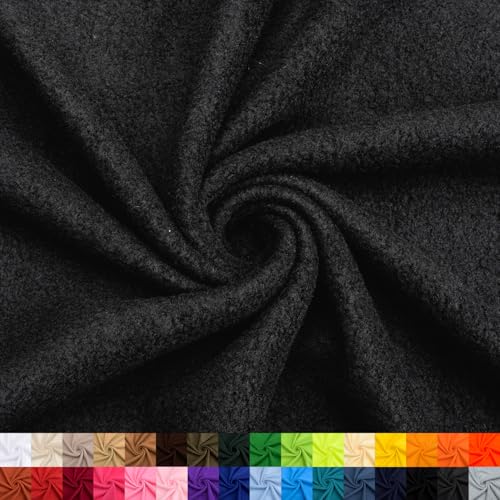
Not every project needs premium weight or specialty pile. This medium-weight polyester fleece from Pico Textiles covers the unglamorous middle ground: pet crate liners, draft stoppers, costume bases, practice fabric for new techniques. It arrives as individual one-yard bolts, and ordering two quantities means two separate cuts rather than one continuous length.
That discontinuous shipping is the main thing to plan around. For patchwork-style projects it makes no difference, but a long seamless runner would need creative seaming.
Strong Points
- Medium weight handles a wide range of casual crafts
- Standard 60-inch width suits most household project patterns
- Straightforward polyester care suits high-turnaround items like liners
Trade Offs
- Multiple quantities ship as separate one-yard bolts, not continuous yardage
- No anti-pill claim, so expect ordinary wear on heavily used pieces
Who Should Grab It
Budget-conscious crafters stocking up for pet bedding, costumes, and practice sewing where premium finishes add little.
Reach For A Different Pick When
Blankets meant to survive years of washing deserve the David Textiles anti-pill fleece instead.
David Textiles brings two advantages the Pico bolt lacks: a stated 340-gram-per-yard density and true continuous cutting. Order several yards and they arrive as one uninterrupted piece, which matters enormously for king-size tie blankets or long garment panels where a mid-project seam would show.
This is the classic no-sew fleece blanket fabric for good reason. The denser weave fringes cleanly when knotted, and the anti-pill treatment keeps those knotted edges looking decent through seasons of washing. Machine wash cold care keeps upkeep simple for busy households.
Where It Helps
- Continuous multi-yard cuts eliminate mid-blanket seams
- Thicker 340 g/yd feel gives tie blankets satisfying weight
- Machine washable in cold water for low-effort maintenance
- Works equally well as clothing lining or pet coat material
Honest Caveats
- Dense fleece can strain lightweight scissors during long cutting sessions
- Solid black may show lint more visibly than heathered colors
The Numbers That Matter
Best Suited To
Families churning out no-sew tie blankets, pet coats, and lined jackets who need dependable yardage in bigger lengths.
Not Your Match When
Garments needing stretch and drape belong with the YPDY crushed velvet coming up next.
Closing the list is the odd one out, and deliberately so. Crushed velvet is not fleece, but it fills the same cozy-dark-fabric niche with far more drama. The crushed finish scatters light unevenly across its surface, giving garments and cushions a rich, dimensional look flat fleece cannot touch.
Blended from 95 percent polyester and 5 percent spandex, it stretches with the body and drapes with real fluidity. Each order ships as an individual 36-by-63-inch piece rather than off a continuous roll, similar to how the Pico bolt handles multiples.
What Makes Sense
- Spandex content allows comfortable movement in fitted garments
- Crushed texture catches light for eye-catching decor accents
- Medium-to-heavy weight hangs cleanly on curtains and dresses alike
Points To Weigh
- Velvet nap requires careful direction matching when piecing panels
- Stretch fabric generally calls for a ballpoint needle and slower stitching
Core Details
Who Will Love This
Garment sewists and decor makers dressing up evening wear, accent pillows, or statement curtains with stretch and sheen.
Another Choice May Suit
Everyday utilitarian sewing still belongs with the FabricLA Polar Fleece, which trades glamour for hard-wearing practicality.
Choosing Between These Black Fleece Fabrics
Match The Weight To The Project
Weight decides everything in this category. Lightweight minky suits items touching skin, while 280 to 340 GSM polar fleece earns its keep in throws and outerwear. A blanket destined for a sofa needs structure; a lovey needs softness above all else.
Pile Height Changes How Things Sew
Pile length, the height of the fuzzy surface fibers, affects both feel and difficulty. Short 1.5 mm piles behave predictably through a machine, while tall 3 mm piles hide seams but demand pinning and slower speeds. Beginners usually get better early results with shorter pile.
Anti-Pill Finishes Pay Off Over Time
An anti-pill treatment resists the tiny fiber balls that make old fleece feel rough. Items washed weekly, think pet bedding and family throws, justify the upgrade. Decorative pieces washed rarely can skip it without much consequence.
Check The Cut Style Before Ordering
Some listings ship continuous yardage, others send separate pre-cuts. Continuous lengths matter for blankets and garments; pre-cut panels suit small crafts and keep costs contained. Reading the cut description saves a frustrating surprise at the cutting table.
Key Considerations Across These Picks
Traps First Timers Fall Into
The most common misstep is ordering pre-cut panels for a project that needs continuous length, then discovering mid-seam. The second is ignoring pile direction on velvet, which shows shading lines once assembled. Always confirm whether multiple quantities arrive joined or separate before committing.
When Paying More Pays Off
Higher-tier fabrics justify their cost through density and finishing. Heavier GSM ratings mean more fiber per inch, better drape, and longer service life. Anti-pill treatments cost manufacturers more upfront but spare you replacing a sagging throw within a year. Frequent-use items earn the upgrade; occasional costume fabric rarely does.
Frequently Asked Questions
Can black fleece fabric go in the dryer?
Most polyester fleece tolerates low-heat drying, though air drying extends its life. High heat can damage the pile and encourage pilling over time.
What needle works best for sewing minky fabric?
A stretch or ballpoint needle in size 90/14 slides between fibers instead of piercing them. Pair it with a walking foot to stop layers from shifting.
How do I stop fleece from shedding while cutting?
Cut outdoors or over a sheet, then shake fabric gently before sewing. Keeping a lint roller at your station handles stray fibers quickly.
Is minky fabric safe for baby blankets?
Polyester minky is widely used for baby items and carries no special handling requirements beyond normal washing. Follow your pattern’s guidance on breathable backing layers for sleep products.
How many yards do I need for a throw blanket?
A typical lap-size throw uses roughly two yards of 60-inch-wide fabric for a single layer. No-sew tie blankets require double that, one yard each for front and back.
Closing Thoughts
Every pick here solves a different problem, and the right choice depends entirely on what lands on your cutting table next. Textured gifts point toward the Homiest dots, hard-working household blankets toward David Textiles, and dramatic garments toward that stretch velvet. Match the spec to the project, order the right cut style, and your finished pieces will hold up the way you pictured them.