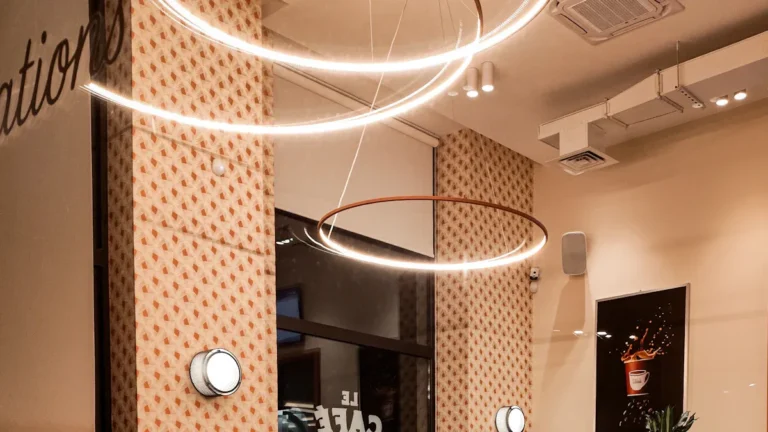
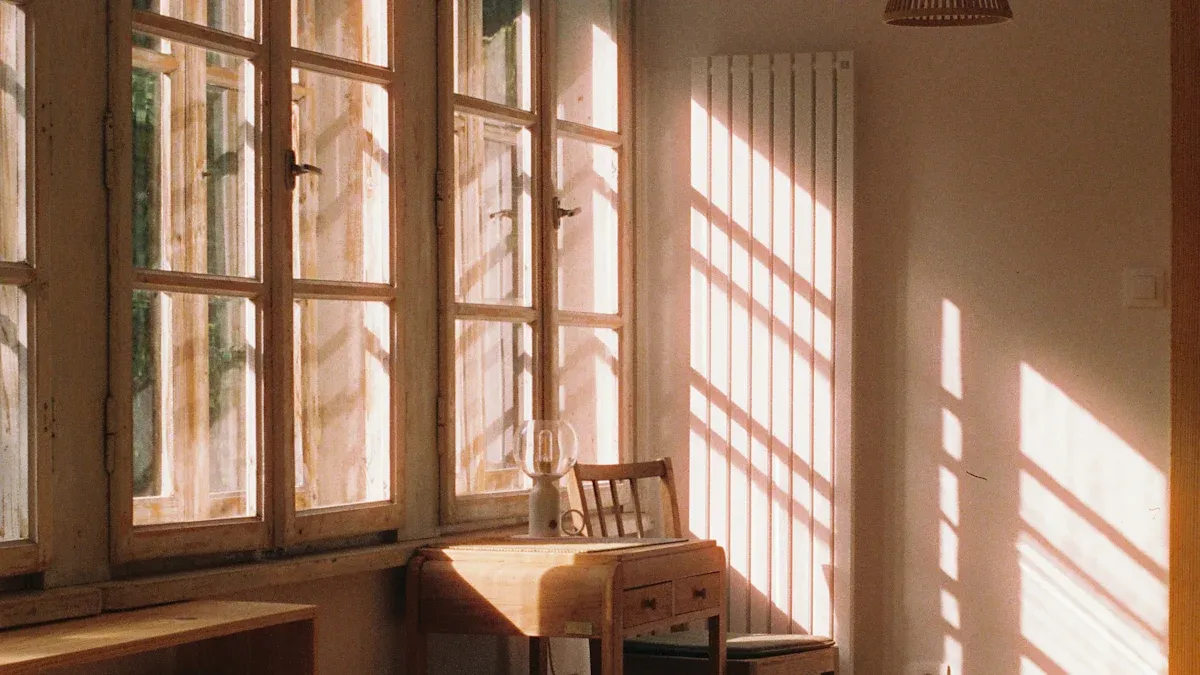
Natural light plays a crucial role in interior design. It not only brightens up your space but also transforms how you feel in it. Picture this: a room flooded with sunlight can lift your spirits, making you feel more energized and focused. Plus, using natural light can lead to significant energy savings—up to 70% when paired with smart lighting systems! So, as you think about your living areas, consider how embracing natural light can enhance both your mood and your home’s efficiency.
Key Takeaways
Natural light boosts your mood and well-being, making spaces feel more inviting and energizing.
Maximizing natural light can enhance productivity by up to 15%, making workspaces more effective and enjoyable.
Strategic window placement and reflective surfaces can significantly increase the amount of natural light in your home.
Using lighter colors and oversized windows creates a brighter, more spacious atmosphere in any room.
Incorporating natural light into your design not only improves aesthetics but also contributes to a healthier living environment.
Natural Light Benefits
Mood and Well-Being
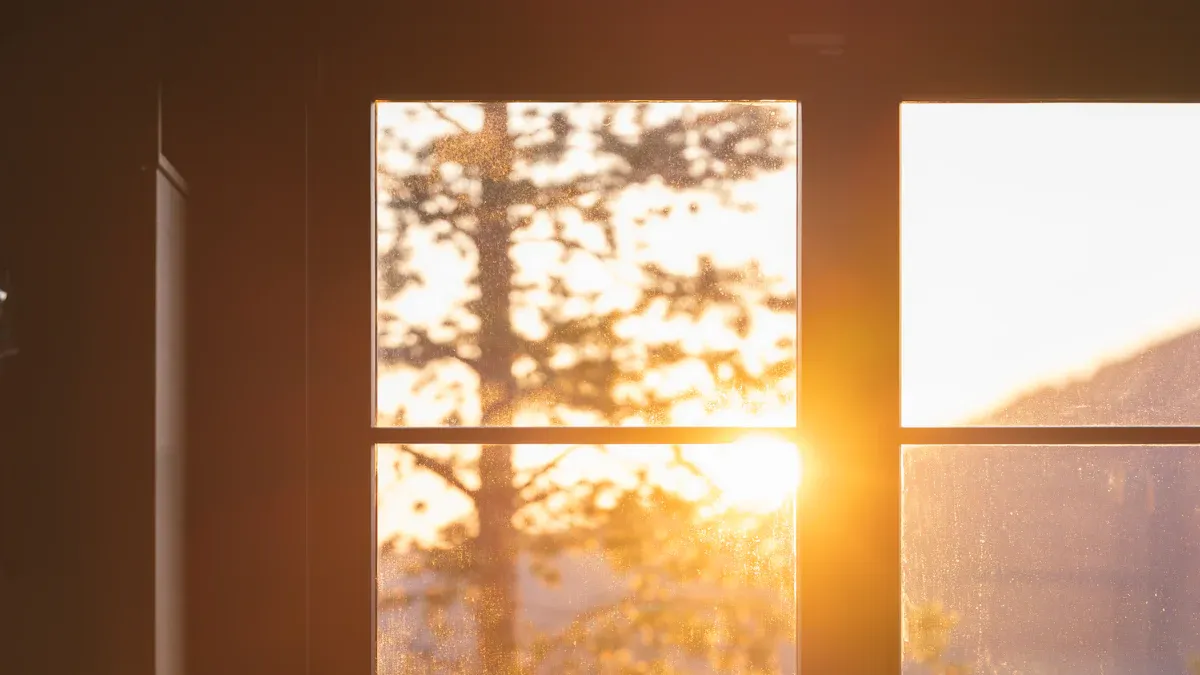
Natural light does wonders for your mood and overall well-being. When sunlight streams into your space, it creates a warm and inviting atmosphere. This brightness can elevate your mood, making you feel happier and more energized. Studies show that exposure to natural light can significantly enhance your psychological well-being. For instance, a review of 74 studies found a small-to-moderate positive effect of light on happiness and life satisfaction. The analysis revealed a robust effect size of 0.53, indicating that natural light truly makes a difference in how you feel.
Moreover, natural light helps regulate your circadian rhythms, which are crucial for maintaining optimal body and mind conditions. When these rhythms are disrupted, you may experience increased stress and decreased productivity. Research indicates that incorporating daylight into building designs can help regulate these rhythms, enhancing your performance and reducing stress levels. In fact, a study from the Polytechnic University of Madrid confirmed that natural lighting can boost employee productivity by over 60%. So, when you think about your interior design, consider how maximizing sunlight can lead to mood elevation and a more productive environment.
Aesthetic Appeal
The aesthetic appeal of a space dramatically improves with natural light. Sunlight enhances spatial perception, making rooms feel more open and inviting. Lighter surfaces reflect more light, contributing to a sense of spaciousness. You might even notice that incorporating mirrors or glass amplifies the effect of natural light, creating visual depth and interest in your interiors.
Additionally, natural light changes throughout the day, impacting how colors and textures appear. Lighter colors enhance light, creating an airy feel, while darker colors absorb light, leading to a cozier atmosphere. Textures interact with light differently; high-gloss surfaces reflect light intensely, while matte finishes diffuse it. By strategically placing windows and skylights, you can create a dynamic interplay of light that transforms your space. This not only enhances the beauty of your home but also improves your quality of life.
Maximizing Natural Light
Window Strategies
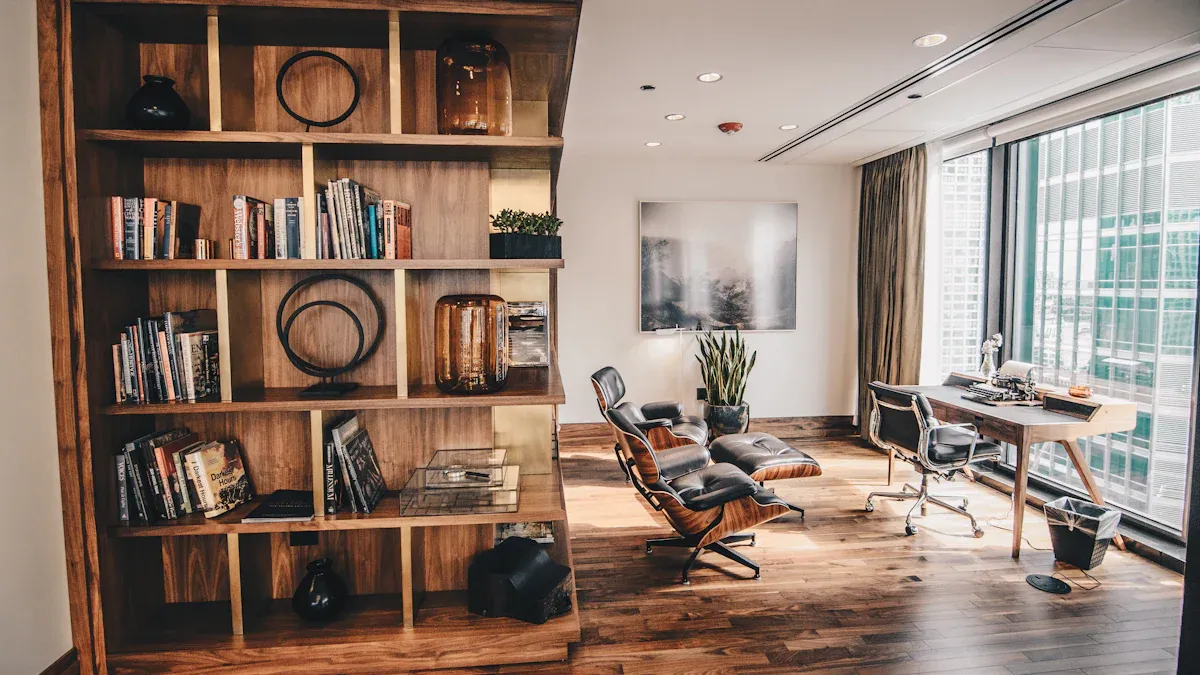
To truly maximize natural lighting in your home, start with your windows. The right window placement can make a world of difference. Here are some effective strategies to consider:
Choose the Right Window Types:
Casement Windows: Hinged on the sides, these windows open outward, allowing for excellent ventilation and light in larger rooms.
Awning Windows: These open from the bottom, making them perfect for areas where you want privacy without sacrificing light.
Slider Windows: They provide a horizontal view and ample light, fitting well with modern designs.
Consider Orientation:
South-Facing Windows: Capture the most sunlight throughout the day, making them ideal for main living areas.
East-Facing Windows: Offer warm morning light, perfect for kitchens and breakfast nooks.
West-Facing Windows: Bring in afternoon and evening light, enhancing warmth in living rooms and dining areas.
High Windows: Allow light to penetrate deeper into the room, reducing shadows and brightening up darker corners.
Optimize Window Size:
Larger windows can significantly increase the amount of natural light entering your space. A study shows that increasing the window-to-wall ratio (WWR) enhances circadian light exposure, which is vital for your well-being.
Reflective Surfaces
In addition to window strategies, using reflective surfaces can amplify the effects of natural light in your interiors. Here are some effective options:
Mirrors: Placing mirrors strategically can bounce light around the room, making it feel brighter and more spacious.
Reflective Tiles: These can be used in kitchens and bathrooms to enhance light and create a sleek look.
Glass Tiles: They add a modern touch while reflecting light beautifully.
Polished Natural Stones: These surfaces not only look stunning but also help to reflect sunlight, adding depth to your design.
By combining these window strategies with reflective surfaces, you can create a bright, inviting atmosphere in your home. Embracing natural light not only enhances your interior design but also contributes to a healthier and happier living environment.
Natural Light in Spaces
Living Rooms
Natural light can transform your living room into a vibrant and welcoming space. When you let in daylight, you create an inviting atmosphere that encourages relaxation and social interaction. Research shows that the quality of daylight in residential areas directly links to increased well-being. Here’s a quick look at some findings:
Finding | Description |
|---|---|
Daylight Quality | The quality of daylight in residential areas is directly linked to increased well-being. |
User Experience | Poor daylight conditions negatively affect users’ well-being, as highlighted by a Swedish interviewee. |
Imagine hosting friends or family in a sunlit living room. You’ll notice how the natural light enhances the colors and textures of your decor. It creates a cozy yet spacious feel, making your space more enjoyable.
“…I felt very bad for a while… I had the sleeping problem… make sure that you leave your apartment for 30 minutes in the morning, go out and get some light. It was very essential. It was very poor daylight.”
This quote emphasizes how crucial daylight is for your mood and overall comfort. By maximizing natural light, you can significantly enhance your emotional well-being in your living space.
Workspaces
In workspaces, natural light plays a vital role in boosting productivity and satisfaction. Studies reveal that access to daylight can lead to remarkable improvements in employee well-being. Here’s what some research has found:
Study | Findings |
|---|---|
Kaplan et al. (1988) | Workers with windows overlooking nature report greater job satisfaction and better well-being. |
Gilchrist et al. (2015) | Access to natural light is highly desirable and associated with improved mental well-being. |
Bjørnstad et al. (2016) | More indoor nature contact correlates with lower job-related stress and fewer health complaints. |
When you work in a space filled with daylight, you’re likely to feel more energized and focused. A well-lit workspace can increase productivity by up to 15%, according to the American Society of Interior Designers.
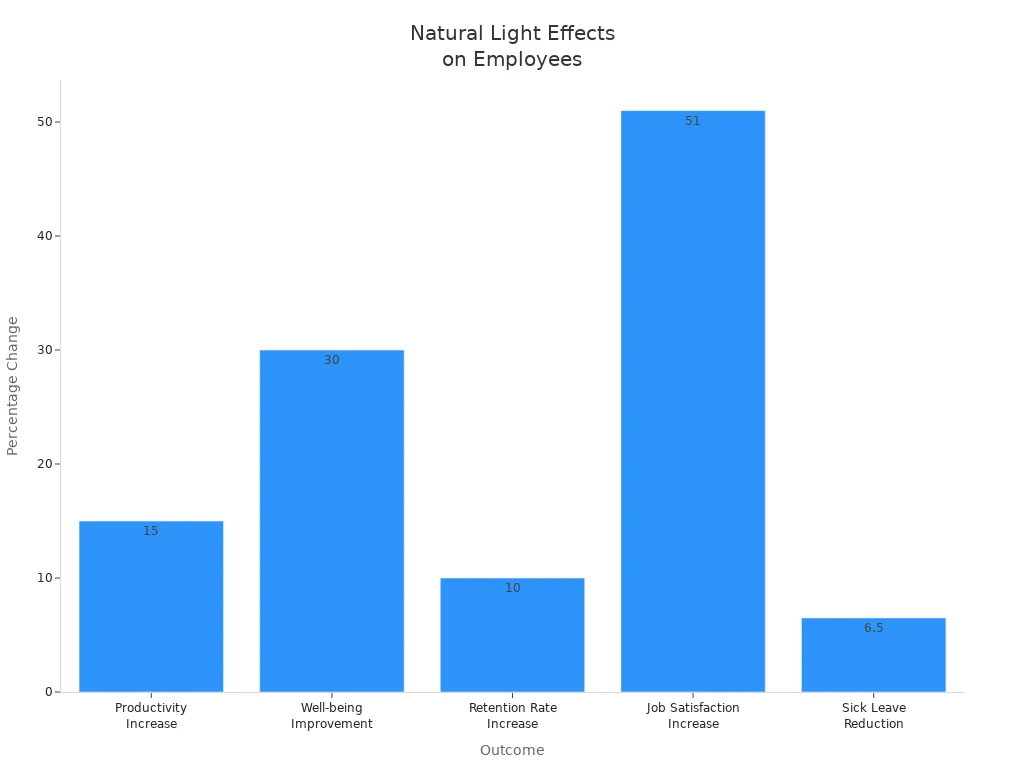
Incorporating natural light into your workspace not only enhances your performance but also reduces absenteeism rates. You’ll find that a bright environment fosters creativity and keeps you motivated throughout the day.
Incorporating natural light into your interior design offers numerous benefits. It improves mood, boosts productivity, and enhances your overall well-being. Plus, it creates bright, inviting spaces that feel larger and more connected to the outdoors. To maximize these energy benefits, consider using lighter colors, oversized windows, and reflective surfaces. By making these changes, you can transform your home into a refreshing haven filled with sunlight. Embrace natural light and enjoy the positive impact it brings to your living environment!
FAQ
How does natural light affect my health?
Natural light offers numerous health benefits. It boosts your mood, enhances sleep quality, and can even improve your immune system. By letting sunlight into your space, you create a healthier environment.
What are some sustainable ways to maximize natural light?
You can use sustainable materials like energy-efficient windows and reflective surfaces. Consider adding skylights or larger windows to enhance natural light while reducing energy consumption.
Can natural light really improve productivity?
Absolutely! Studies show that natural light can increase productivity by up to 15%. A well-lit workspace keeps you energized and focused, making your tasks feel less daunting.
How can I incorporate natural light in small spaces?
In small spaces, use mirrors to reflect light and choose lighter colors for walls and furniture. Opt for sheer curtains to allow more sunlight in while maintaining privacy.
What are the best window treatments for maximizing light?
Consider using sheer or light-filtering curtains. They allow sunlight to enter while providing some privacy. Blinds that can be adjusted also help control the amount of light you let in.