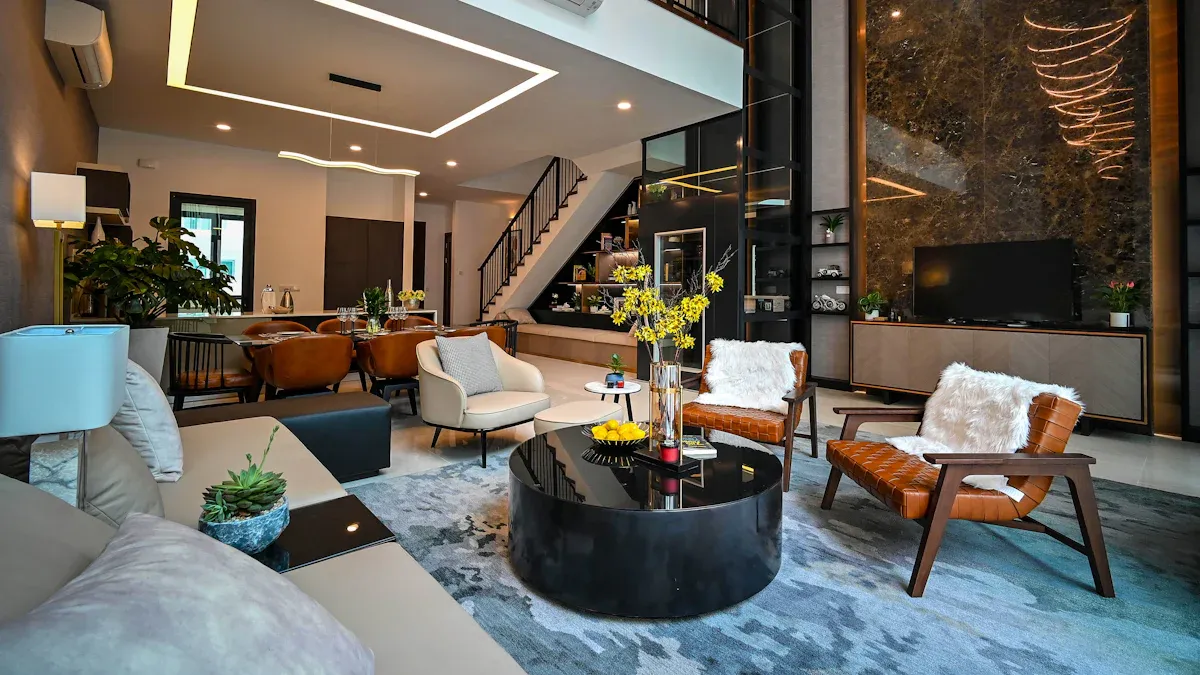
An open concept home creates a seamless flow between spaces, making your living area feel larger and more inviting. Imagine the benefits: natural light pours in, enhancing the atmosphere, while social interactions flourish as family and friends gather freely. According to recent surveys, 85% of homeowners prefer an open connection between the kitchen and dining room in their open concept home. This style not only promotes harmony but also allows for versatile furniture arrangements, adapting to your needs over time.
Key Takeaways
Enhance flow by merging spaces like kitchens and living rooms. This promotes interaction and makes your home feel larger.
Use a unified color palette throughout your home. This creates a clean look and helps define different areas without barriers.
Incorporate plants to add life and improve air quality. They enhance aesthetics and create a warm atmosphere.
Choose multi-functional furniture to maximize space. This keeps your home organized while maintaining style and functionality.
Define zones with area rugs and lighting. This helps create visual separation while maintaining a cohesive look.
Flow in Open Concept Home
Importance of Flow
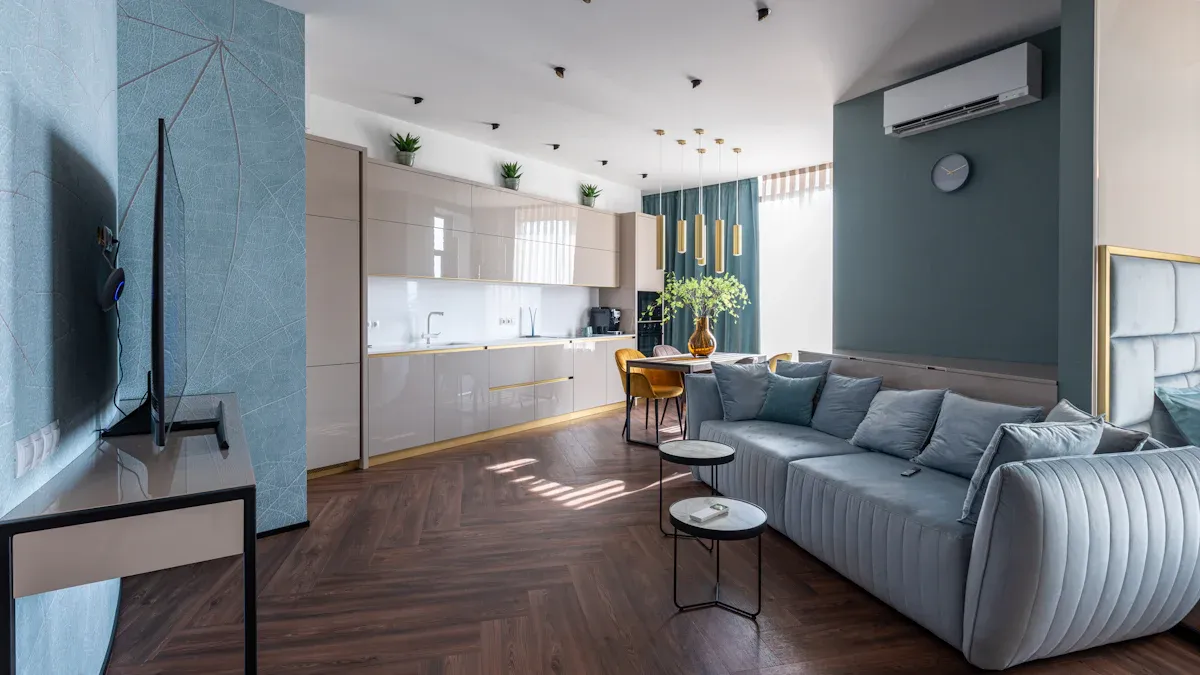
Flow in an open concept home means creating a seamless transition between different areas. It allows you to move freely from one space to another without feeling confined. This design choice enhances your living experience by promoting interaction and connectivity among family members. When you have a well-designed flow, you can enjoy a sense of openness that reduces stress and fosters emotional balance.
Here are some benefits of having good flow in your home:
Open-concept designs enhance emotional balance and reduce stress by creating a feeling of openness.
A well-designed flow can enhance feelings of peace and belonging.
Continuous paths of movement reduce feelings of restriction and promote natural transitions between activities.
Open layouts minimize physical barriers, fostering connectivity and communication among family members.
They help reduce clutter and promote a sense of openness, leading to improved emotional balance.
Tips for Enhancing Flow
To enhance flow in your open concept home, consider these practical tips:
Combine Spaces: Merge traditional areas like kitchens, living rooms, and dining areas into a larger space. This setup enhances interaction and accessibility.
Use a Unified Color Palette: Apply a consistent base color throughout the main level. This creates a clean look while allowing subtle variations to define different areas.
Continuous Color Planes: Use continuous color planes across shared walls to emphasize openness. Subtle shifts in sheen can help define functional zones, like using eggshell in living areas and satin in kitchens.
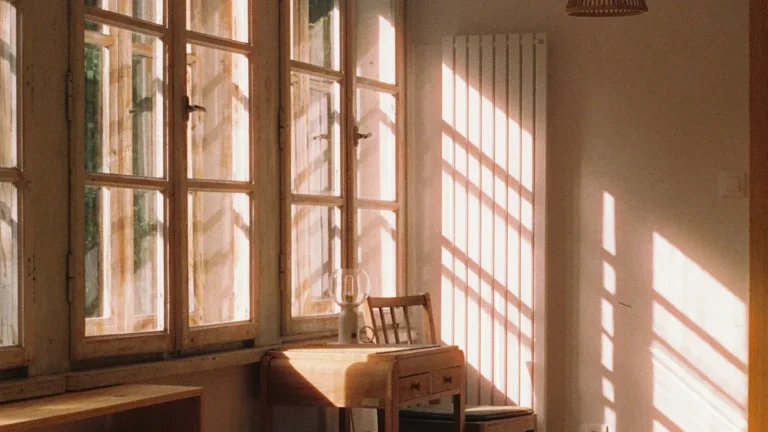
Natural Light: Ensure that natural light flows throughout the area. The absence of walls allows light to brighten your home, making it feel more inviting.
By implementing these tips, you can create a harmonious flow that enhances your open concept living space.
Balance in Home Décor
Achieving Visual Balance
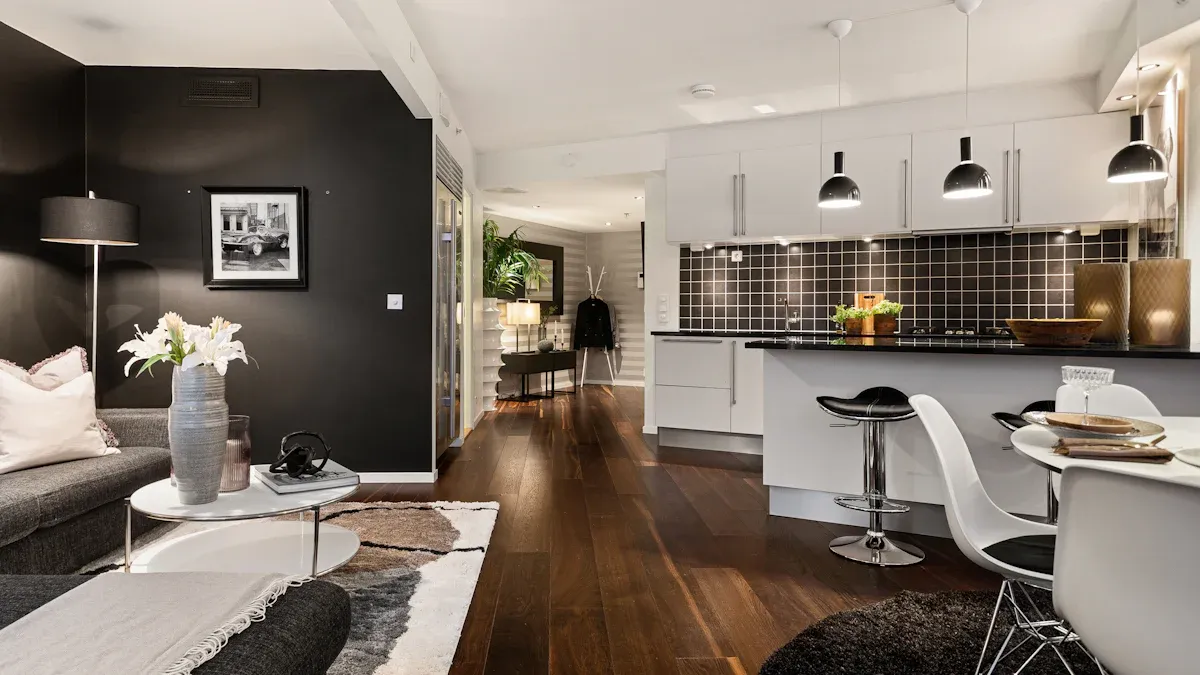
Balance in home design refers to the way you distribute elements like colors, textures, furniture, and lighting throughout your space. In open concept areas, achieving balance is especially important. You want each zone—like the kitchen, dining area, and living room—to feel connected without one overpowering the others. For example, if you use a limited color palette, such as red and blue, across these zones, you create a unified look. This approach ensures that your home feels harmonious and inviting.
To help you achieve visual balance, consider these key elements:
Replication: Use matching items, like rugs and curtains, to create visual continuity.
Balancing Visual Weight: Pair heavier furniture with lighter pieces. This prevents any area from feeling too crowded or sparse.
Accent Colors: Carry accent colors from one space to another. This maintains a cohesive look throughout your home.
Defining Spaces: Use rugs and lighting to delineate different areas within your open concept layout.
Elements of Balance
Understanding the elements that contribute to balance can help you design a more cohesive space. Here are some important aspects to consider:
Separating Zones with Colour: Different shades can visually separate spaces. For instance, contrasting dark green with white can create distinct areas.
Using Different Materials and Finishes: Varied materials, like carpets and wood, can define boundaries between zones.
Creating Different Levels: Elevating or lowering areas can enhance vertical space usage, adding interest to your design.
Using Room Dividers: Curtains can provide privacy and separate areas while being adjustable.
Partitioning with Furniture: Rearranging furniture can create zones, with larger pieces acting as dividers.
Achieving balance impacts the overall cohesiveness of your open concept interiors. When all elements—furniture, colors, and materials—work together harmoniously, you create a unified aesthetic. This makes your spaces feel connected and inviting. Balancing proportions and styles also prevents a flat appearance in your design, adding depth and character.
By focusing on balance, you can transform your open concept home into a beautifully cohesive environment that feels both functional and welcoming.
15 Ideas for Open Concept Home Décor
Color Schemes for Flow
Choosing the right colors can significantly impact how your open concept home feels. Light colors can make spaces feel larger, while darker tones can create cozy corners. Consider using a unified color palette throughout your home. This approach helps maintain a sense of flow. For instance, pairing light colors with darker accents can define different areas without physical barriers. Accent walls painted in bold colors can also serve as focal points, guiding movement and enhancing visual interest.
Furniture Arrangement Ideas
Arranging furniture effectively is key to maintaining flow in your open-plan living space. Use furniture placement to create distinct zones. For example, position a sofa to separate the living area from the dining space. Ensure that pathways remain clear to allow easy movement. Choose furniture that complements the size of your space. Oversized pieces can overwhelm a small room, while appropriately scaled items enhance balance.
Accent Chairs for Definition
Accent chairs can add character and help define different areas in your open concept home. A well-placed chair can enhance traffic flow and visually separate functional spaces. For example, using a pair of mismatched chairs can create interest while distinguishing the living area from the dining zone. Angling the chair slightly can establish a subtle boundary, organizing the space without closing it off.
Console Tables as Dividers
Console tables can serve dual purposes in an open layout. They act as stylish dividers while providing functionality. Place a console table behind a sofa to create a natural separation between the living and dining areas. You can also use it to display decorative items or store essentials, adding both style and practicality to your space.
Decorative Elements for Interest
Incorporating decorative elements can enhance the overall aesthetic of your open concept home. Use artwork, sculptures, or decorative trays to add personality. These items can serve as conversation starters and help tie different areas together. Choose pieces that resonate with your style and complement the color scheme for a cohesive look.
Lighting Solutions for Flow
Lighting plays a crucial role in enhancing flow in open concept homes. Use a mix of ambient, task, and accent lighting to create a warm atmosphere. Pendant lights over the kitchen island can delineate the cooking area, while floor lamps in the living room can create cozy reading nooks. Accent lighting can help define functional spaces without walls, making your home feel inviting and well-lit.
Textures and Materials
Mixing textures and materials adds depth to your open concept décor. Combine smooth leather with soft fabrics for a dynamic atmosphere. Layering a plush rug over hardwood floors can create warmth and comfort. Contrasting materials, like sleek metal with natural wood, can enhance the visual appeal of your space.
Area Rugs for Space Definition
Area rugs are essential for defining spaces in an open layout. They help create visual separation while enhancing cohesion among different areas. Choose rugs that vary in scale, color, and texture to maintain harmony. A large rug under the seating area can anchor the living space, while a smaller one can define the dining area.
Plants for Natural Flow
Incorporating plants can bring life to your open concept home. Floor plants can fill empty corners, adding freshness to your décor. Replacing knick-knacks with greenery creates a warm and inviting atmosphere. Plants not only enhance aesthetics but also improve air quality, making your home feel more vibrant.
Mirrors to Enhance Space
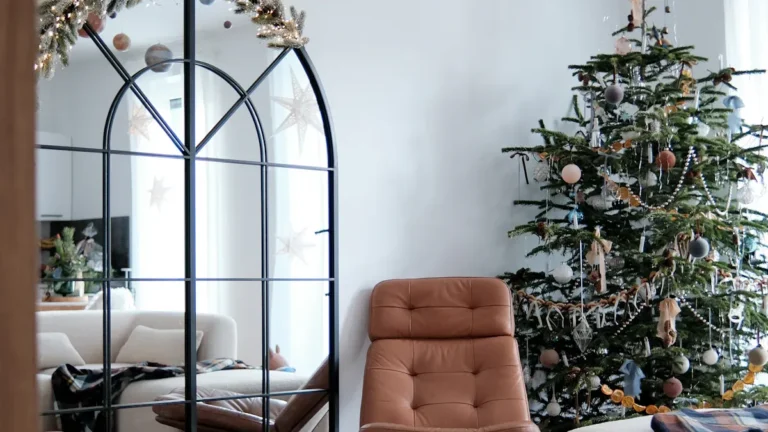
Mirrors can amplify natural light and create the illusion of more space. Place a large mirror on a wall to reflect daylight, making your home feel brighter. Mirrors can also serve as decorative pieces, adding character to your décor. Use them strategically to enhance the overall flow of your open concept layout.
Seasonal Décor for Freshness
Updating your décor seasonally can keep your open concept home feeling fresh. Incorporate seasonal touches like flowers in spring or cozy blankets in winter. This practice allows you to experiment with different styles without committing to a permanent look. Natural elements like wood and seasonal colors can help you feel more connected to the outdoors.
Personal Touches for Warmth
Adding personal touches can make your open concept home feel inviting. Use area rugs to define zones, and incorporate soft textures like throw pillows and blankets. Replace harsh overhead lighting with lamps for a softer atmosphere. Maintaining visual flow by using similar materials throughout the space can enhance warmth and comfort.
Patterns and Wallpaper
Patterns and wallpaper can add visual interest to your open concept home. Use them sparingly to avoid overwhelming the space. Consider an accent wall with a bold pattern to create a focal point. This approach can enhance the overall design while maintaining a sense of flow.
Unique Ceiling Designs
Don’t forget about the ceiling! Unique ceiling designs can draw the eye upward and add character to your open layout. Consider using beams, coffered ceilings, or even painted designs to create visual interest. This element can enhance the overall flow and balance of your space.
Multi-Functional Furniture
In small homes, multifunctional furniture is a game-changer. Look for pieces that serve multiple purposes, like a coffee table that doubles as storage. This approach maximizes square footage while maintaining functionality. It’s a smart way to keep your open concept home organized and stylish.
Creating Zones in Small Room Décor
Creating functional zones in small open concept rooms can be challenging but rewarding. Start by outlining your primary needs. Use furniture placement to define areas without walls. Position a sofa to create a natural divide, and incorporate lighting to delineate vertical spaces. This strategy helps maintain flow while ensuring each zone serves its purpose.
In summary, creating flow and balance in your open concept home can transform your living space into a welcoming haven. By experimenting with color schemes, furniture arrangements, and decorative elements, you can define areas while maintaining a cohesive look. The pandemic has shown us the importance of cozy, human-scale spaces within larger areas. So, don’t hesitate to try out different décor ideas. You might find the perfect combination that enhances both comfort and style in your home.
Embrace the journey of decorating your space, and enjoy the process of making it uniquely yours!
FAQ
What is an open concept home?
An open concept home features interconnected spaces without walls separating them. This design promotes flow and interaction, making your living area feel larger and more inviting.
How can I enhance flow in my open concept space?
To enhance flow, use a unified color palette, arrange furniture to create clear pathways, and maximize natural light. These elements help create a seamless transition between areas.
What are some tips for achieving balance in décor?
Achieve balance by using matching items, varying textures, and incorporating accent colors throughout your space. This creates visual harmony and prevents any area from feeling overwhelming.
How do I choose the right furniture for an open layout?
Select appropriately sized furniture that complements your space. Use multi-functional pieces to maximize utility and ensure clear pathways for easy movement between areas.
Can I use rugs in an open concept home?
Absolutely! Rugs help define different zones within an open layout. Choose rugs that vary in size, color, and texture to maintain harmony while creating visual separation.