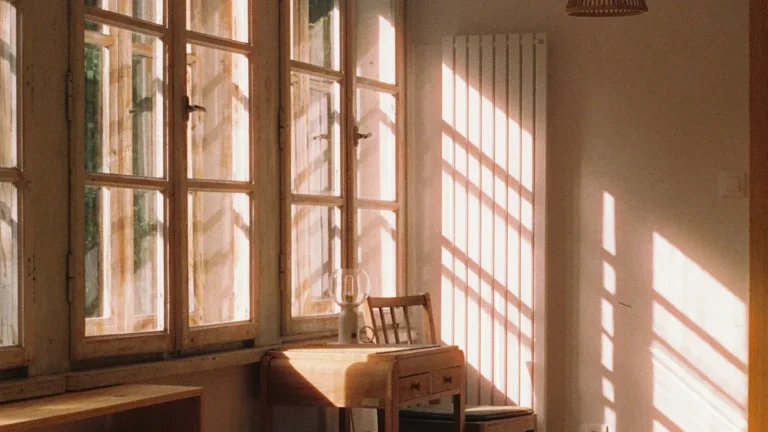

Lighting plays a crucial role in your sleep quality, and exploring various Bedroom Lighting Ideas can enhance this experience. Studies show that different lighting conditions can significantly affect how well you sleep. For instance, a study using wrist actimetry found connections between lighting and important sleep metrics like total sleep time and sleep efficiency. Creating a sleep-friendly atmosphere in your bedroom with thoughtful Bedroom Lighting Ideas can help you relax and drift off more easily. By selecting the right lighting, you can transform your space into a sanctuary that promotes restful sleep.
Key Takeaways
Choose warm, soft lighting (2700K-3000K) to create a cozy atmosphere that promotes relaxation and better sleep.
Layer your lighting with ambient, task, and accent options to achieve a balanced and inviting bedroom environment.
Incorporate dimmable fixtures to adjust brightness based on activities, helping to signal your body that it’s time to wind down.
Limit exposure to bright light at least three hours before bedtime to maintain your natural sleep rhythms.
Create cozy nooks with bedside lamps or reading corners to enhance relaxation and make your bedroom a sanctuary for sleep.
Lighting Types for Better Sleep
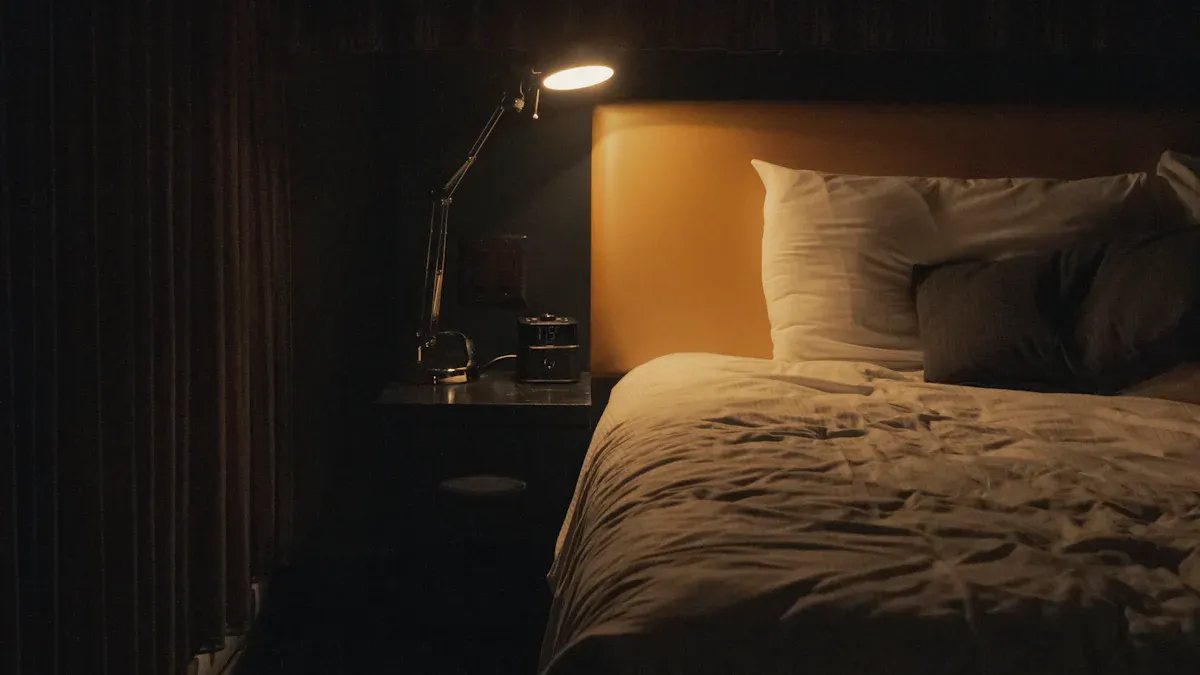
Creating a calming atmosphere in your bedroom starts with understanding the different types of lighting. Each type serves a unique purpose and can significantly impact your ability to relax and fall asleep. Let’s explore ambient, task, and accent lighting to help you achieve better sleep.
Ambient Lighting
Ambient lighting provides the overall illumination in your bedroom. It sets the mood and creates a comfortable environment. To enhance your sleep atmosphere, consider these tips:
Use soft, diffused lighting to avoid harsh glare. This type of light helps you wind down and prepares your body for sleep.
Smart lighting technology can be a game-changer. You can control brightness and color temperature, allowing you to create a warm, inviting glow as bedtime approaches.
Layer your lighting. Combine ambient lighting with task and accent options for a balanced look. This approach not only enhances comfort but also improves functionality.
Did you know that exposure to room light before bedtime can significantly suppress melatonin production? In fact, studies show that it delays melatonin onset in 99% of individuals and shortens its duration by about 90 minutes. This means that keeping your ambient lighting soft and warm is crucial for promoting better sleep.
Task Lighting
Task lighting is essential for activities you do before bed, like reading or journaling. It should be bright enough to help you see but not so bright that it disrupts your sleep cycle. Here are some effective strategies:
Choose LED task lighting with biologically supportive spectral characteristics. This type of lighting can improve sleep quality and reduce daytime dysfunction.
Opt for warm-toned bulbs in the evening. They promote relaxation and help signal to your body that it’s time to wind down.
Limit exposure to bright light at least three hours before bedtime. This practice helps maintain your natural circadian rhythms.
Using task lighting wisely can enhance your bedtime activities without compromising your sleep.
Accent Lighting
Accent lighting adds a touch of style to your bedroom while creating a relaxing environment. It highlights specific areas and minimizes harsh shadows, contributing to a soothing atmosphere. Here’s how to use accent lighting effectively:
Incorporate bedside lamps or wall sconces to create cozy nooks for reading or relaxing.
Use dimmable options to adjust the brightness according to your mood. This flexibility allows you to create a tranquil space that feels just right.
Consider using LED strips or fairy lights to add a soft glow around your bed or along shelves. These lights can enhance the visual appeal without overwhelming your senses.
By thoughtfully combining ambient, task, and accent lighting, you can create a bedroom that not only looks beautiful but also promotes better sleep.
Selecting Fixtures for Bedroom Lighting Ideas
Choosing the right fixtures can make a big difference in creating a calming atmosphere in your bedroom. Let’s dive into the types of light bulbs, fixture styles, and placement tips that can help you achieve that cozy vibe.
Light Bulb Types
When it comes to light bulbs, you want to focus on warmth and softness. Here are some key points to consider:
Warm bulbs: Opt for soft white or warm white bulbs (2700K–3000K). These help create a restful environment, perfect for winding down.
Color temperature: Aim for warm light, as it creates a cozy atmosphere. Bulbs with a color temperature between 2700K and 3000K are ideal for bedrooms.
Sleep-friendly hues: Warm hues like red, orange, and yellow are best for promoting sleep. They have less impact on your circadian rhythms compared to cooler colors.
Fixture Styles
The style of your fixtures can enhance the overall sleep atmosphere. Here are some tips:
Textural layering: Choose fixtures that add depth and warmth to your space. This creates a sensory-rich environment that feels inviting.
Dimmable options: Look for flexible lighting solutions, such as dimmable fixtures. They allow you to adjust the brightness based on your needs, whether you’re reading or relaxing.
Personal touch: Customize your bedroom decor with fixtures that reflect your style. This makes your space feel unique and truly like home.
Placement Tips
Where you place your lighting fixtures matters just as much as the type you choose. Consider these strategies:
Avoid overhead lights: Instead of harsh ceiling lights, use lamps placed below eye level. This softens the light and creates a more inviting atmosphere.
Layer your lighting: Combine overhead lights with accent lamps to achieve a balanced and cozy environment.
Maximize natural light: Allow natural light to flow in during the day. It enhances the room’s ambiance and promotes relaxation.
By selecting the right fixtures and placing them thoughtfully, you can create a cozy bedroom lighting setup that promotes better sleep.
Dimming and Color Temperature for Better Sleep
Understanding Color Temperature
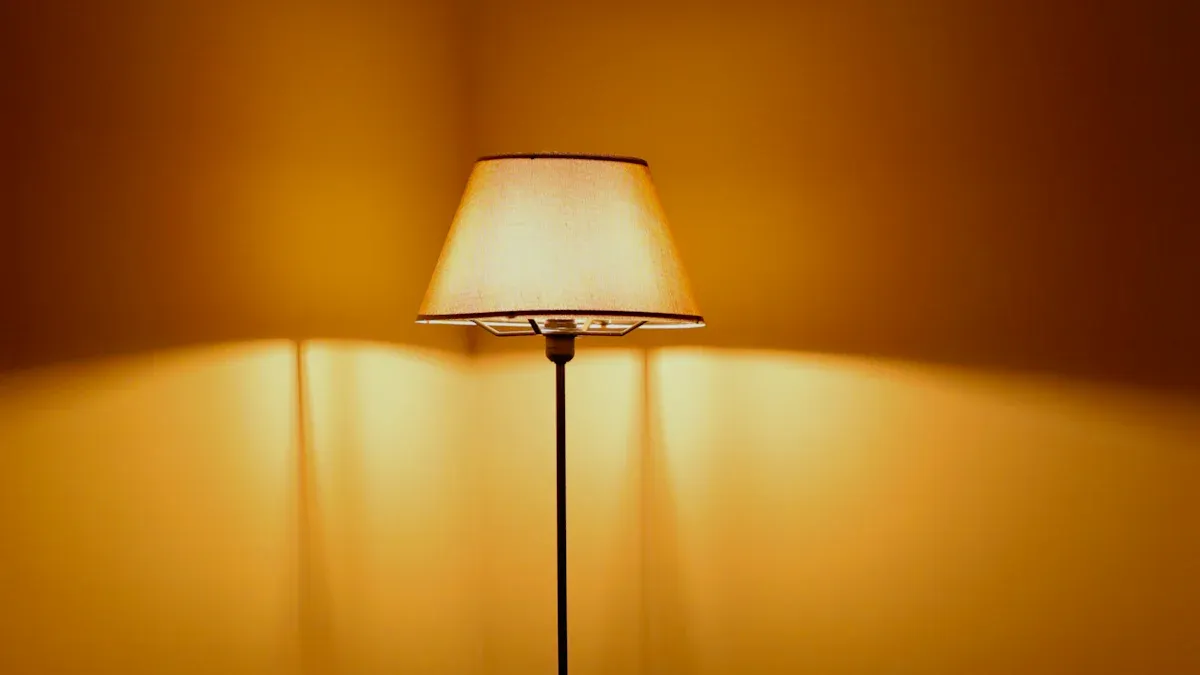
Color temperature plays a vital role in how well you sleep. It refers to the warmth or coolness of light, measured in Kelvin (K). For your bedroom, you want to focus on warmer tones. Research shows that a well-designed nocturnal light environment with lower correlated color temperature (CCT) can enhance sleep quality. This is because warmer light minimizes melatonin suppression, which is crucial for a restful night.
Here’s how different color temperatures can affect your sleep:
Warm Lighting (2700K-3000K): Ideal for relaxation areas like bedrooms. This range creates a cozy atmosphere that helps signal to your body that it’s time to wind down.
Balanced Light (3000K-4000K): Best for task spaces like kitchens and offices, where you need to stay alert and productive.
Bright Light (5000K and above): Suitable for detail-oriented areas like garages, where precision tasks are essential.
Incorporating warmer tones in the evening can promote relaxation and help you prepare for sleep. Studies indicate that environments with higher illuminance improve cognitive performance and contribute to better sleep continuity, which is essential for overall sleep quality.
Benefits of Dimming Options
Dimming options in your bedroom lighting can significantly improve your sleep experience. Here’s why you should consider them:
Flexibility: Dimming allows you to adjust the brightness based on your activities. Whether you’re reading a book or winding down for the night, you can create the perfect ambiance.
Reduced Eye Strain: Lower light levels can help reduce eye strain, making it easier for you to relax before bed.
Enhanced Sleep Quality: Studies show that exposure to bright light during night shifts can disrupt sleep patterns. In contrast, dim light conditions can help maintain your natural circadian rhythms, leading to better sleep quality.
Study | Findings |
|---|---|
Mitchell et al. (1997) | Combined bright light (≈5,000 lux) and dim light (<500 lux) during night shifts strongly shifted sleep schedules, indicating the importance of light exposure in sleep timing. |
Crowley et al. (2003) | With bright light during night shifts, participants achieved complete re-entrainment, suggesting that light conditions, including dim light, can significantly affect sleep patterns. |
Dawson et al. (1995) | Exposure to bright light during night shifts resulted in improved sleep quality, particularly in the later hours of sleep, compared to dim light conditions. |
By incorporating dimmable lighting in your bedroom, you can create a soothing environment that promotes better sleep.
Practical Bedroom Lighting Ideas
Creating a peaceful sleep environment starts with effective lighting setups. You can use layered lighting techniques to enhance your bedroom’s atmosphere. This approach combines different types of lighting to create a cozy and inviting space.
Layered Lighting Techniques
Layering your lighting involves using multiple sources to achieve a balanced look. Here are some effective strategies:
Ambient Lighting: This provides overall illumination. Use dimmable fixtures to control brightness. A soft glow helps you relax as bedtime approaches.
Task Lighting: For activities like reading, bedside lamps work wonders. Choose warm-toned bulbs to keep the mood calm.
Accent Lighting: Highlight artwork or architectural features with accent lights. This adds character and enhances the environment.
You can also use dimmer switches to lower lighting in the evening. This helps regulate your circadian rhythm, making it easier to wind down. Consider combining different light sources with varying color temperatures for day and night use.
Creating Zones for Relaxation
Creating distinct zones in your bedroom can promote relaxation. Research shows that personalized lighting environments significantly affect well-being. Here are some ideas to consider:
Cozy Nooks: Set up a reading corner with a comfortable chair and a warm lamp. This space invites you to unwind with a good book.
Bedside Glow: Use lamps or wall sconces on either side of your bed. This creates a warm glow around your sleeping area, making it feel inviting.
Mood Lighting: Incorporate LED moon lamps or a northern lights projector for a whimsical touch. These can create a unique ambiance that soothes your senses.
By thoughtfully layering your lighting and creating relaxation zones, you can transform your bedroom into a sanctuary that promotes better sleep.
Creating a sleep-friendly atmosphere in your bedroom starts with thoughtful lighting choices. By using ambient, task, and accent lighting, you can set the perfect mood for relaxation. Remember, warm light and dimmable options help signal your body that it’s time to wind down.
Check out how effective lighting can improve your sleep metrics:
Sleep Metric | Improvement Description |
|---|---|
Sleep Quality | Significant improvements noted under dynamic lighting |
Total Sleep Time (TST) | Longer total sleep time observed |
Sleep Efficiency | Greater sleep efficiency reported |
Bedtime Timing | Earlier bedtimes achieved |
Time in Bed (TIB) | Longer time spent in bed |
Sleep-Onset Latency (SOL) | Shorter sleep-onset latency recorded |
Wake After Sleep Onset (WASO) | Reduced wake after sleep onset |
Nocturnal Awakenings | Fewer nocturnal awakenings experienced |
Wake-Up Time | Remained stable |
With these tips, you can transform your bedroom into a sanctuary for better sleep. 🌙
FAQ
What type of lighting is best for sleep?
Warm, soft lighting is best for sleep. Aim for bulbs with a color temperature between 2700K and 3000K. This range creates a cozy atmosphere that helps signal your body to wind down.
How can I layer my bedroom lighting?
Layer your lighting by combining ambient, task, and accent lights. Use dimmable fixtures for overall illumination, bedside lamps for reading, and accent lights to highlight decor. This creates a balanced and inviting space.
Are smart bulbs worth it for sleep?
Yes! Smart bulbs allow you to control brightness and color temperature. You can set them to gradually dim as bedtime approaches, helping your body prepare for sleep.
How does color temperature affect sleep?
Color temperature affects your circadian rhythm. Warmer tones (2700K-3000K) promote relaxation, while cooler tones can keep you alert. Using warm light in the evening helps signal that it’s time to wind down.
Can I use fairy lights in my bedroom?
Absolutely! Fairy lights add a soft, whimsical glow to your bedroom. They create a calming atmosphere without overwhelming your senses, making them perfect for relaxation.