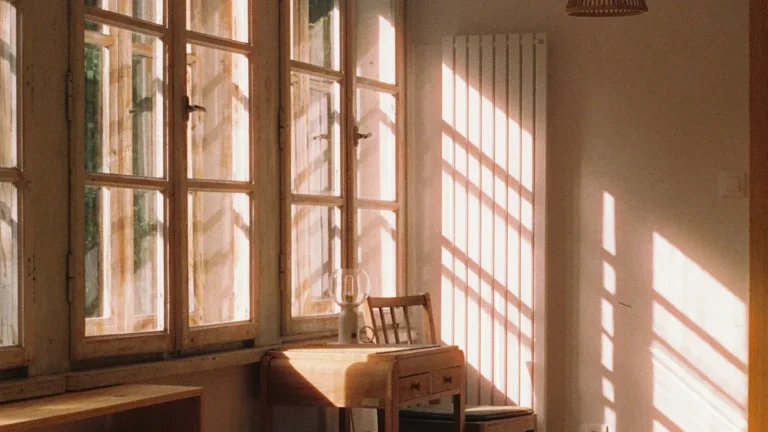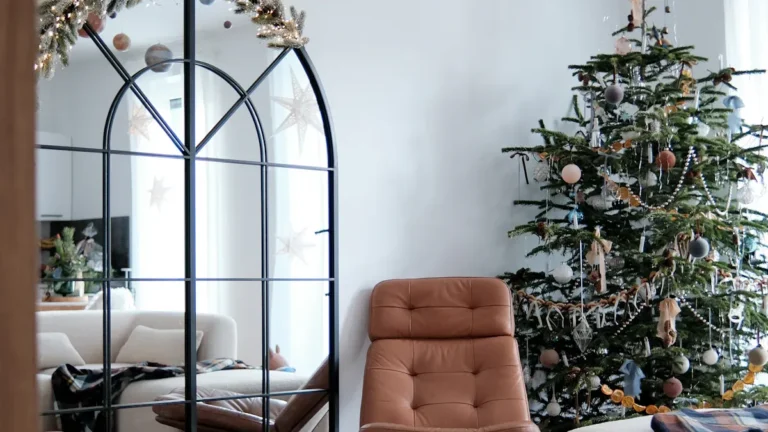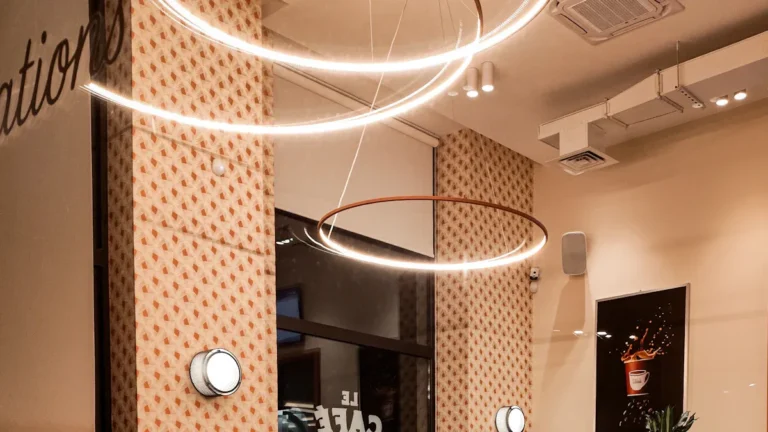
Lighting plays a crucial role in home decor. It sets the mood and highlights your space’s best features. When you combine lamps and ceiling lights, you create a dynamic atmosphere that enhances both functionality and aesthetics. For example, ceiling lights often provide general illumination, while lamps focus light on specific areas. This mix not only improves usability but also adds visual interest. Your goal should be to achieve a balanced and inviting environment where every corner feels warm and welcoming.
Key Takeaways
Layer different types of lighting: Use ambient, task, and accent lights to create a balanced and inviting atmosphere.
Match aesthetics: Choose lamps and ceiling lights that complement your decor style for a cohesive look.
Consider brightness levels: Adjust lighting based on room function to enhance usability and comfort.
Experiment with color temperature: Select warm tones for cozy spaces and cooler tones for work areas to set the right mood.
Avoid common mistakes: Ensure fixtures are the right size and use multiple light sources to prevent harsh shadows.
Lighting Types
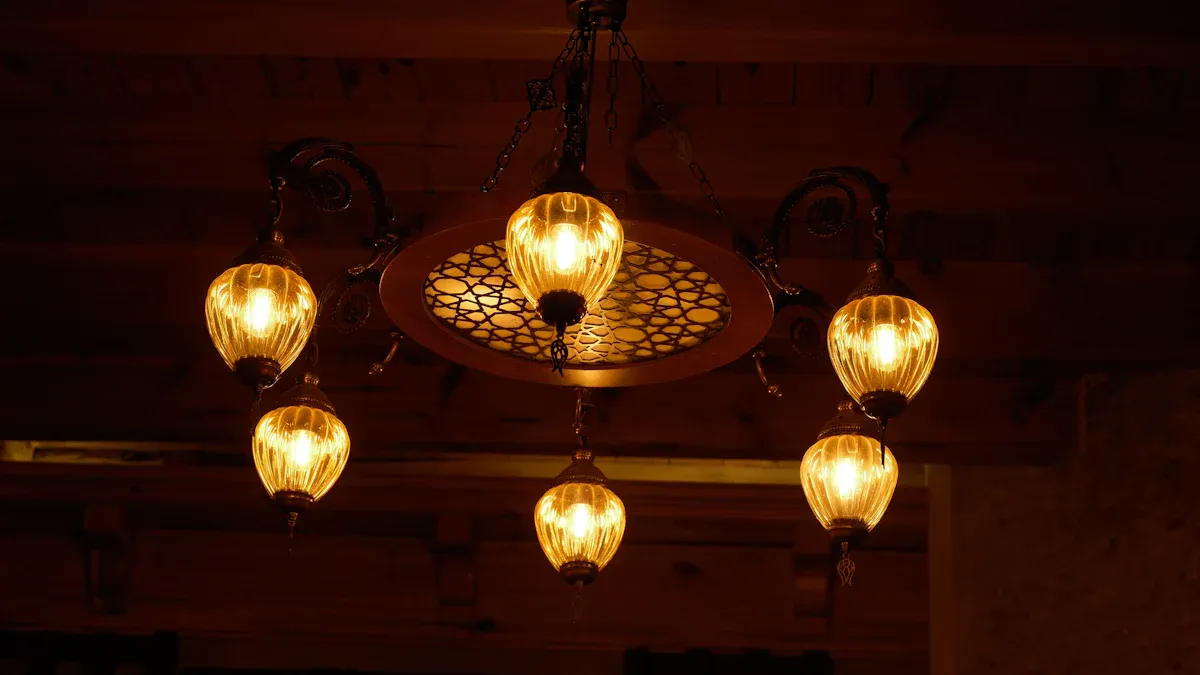
When it comes to creating a well-lit space, understanding the different types of lighting is essential. Each type serves a unique purpose, and combining them effectively can transform your home into a cozy haven.
Ambient Lighting
Ambient lighting sets the mood for your entire room. It provides general illumination, ensuring that every corner is well-lit without harsh shadows. Here are some key characteristics of ambient lighting:
Characteristic | Description |
|---|---|
Overall Mood and Atmosphere | Sets the foundational layer of illumination, providing general, even light throughout a room. |
Fixture Types | Ceiling-mounted fixtures, chandeliers, and floor lamps create a balanced, welcoming atmosphere. |
Natural Light Incorporation | Architectural features like large windows and skylights maximize natural light, reducing artificial lighting needs. |
Layering Lighting | Combining different light sources helps avoid harsh shadows and bright spots, offering even light distribution. |
Balance and Aesthetics | The key is to balance lighting elements for comfortable and aesthetically pleasing illumination. |
You can achieve ambient lighting through various fixtures. Consider using chandeliers for elegance, wall sconces for style, or recessed lighting for a clean look. Each option contributes to a warm and inviting atmosphere.
Task Lighting
Task lighting is all about functionality. It focuses on specific areas where you need extra light for activities like reading, cooking, or working. This type of lighting minimizes shadows and enhances visibility, making tasks easier and safer. For instance, in kitchens, task lighting illuminates countertops, allowing you to chop vegetables or read recipes without straining your eyes. In home offices, it complements ambient lighting, ensuring your workspace is bright enough to keep you productive.
To create effective task lighting, consider using desk lamps, under-cabinet lights, or pendant lights over work areas. These fixtures provide the focused illumination you need to get things done comfortably.
Accent Lighting
Accent lighting adds drama and highlights specific features in your home. Whether it’s a piece of artwork, a beautiful architectural element, or a stunning plant, accent lighting draws attention to these focal points. You can use it both indoors and outdoors to enhance visual interest.
Here are some ways to incorporate accent lighting:
Use spotlights to illuminate sculptures or paintings.
Install LED strips to highlight shelves or architectural details.
Consider low-profile fixtures that subtly enhance minor features.
When done right, accent lighting directs focus to the highlighted object rather than the light itself, creating a captivating atmosphere.
By layering ambient, task, and accent lighting, you create a space that is not only practical but also inviting. This combination ensures that each area serves its purpose while contributing to the overall design of your home. So, as you plan your lighting ideas, think about how these types can work together to enhance your living space.
Combine Lamps and Styles
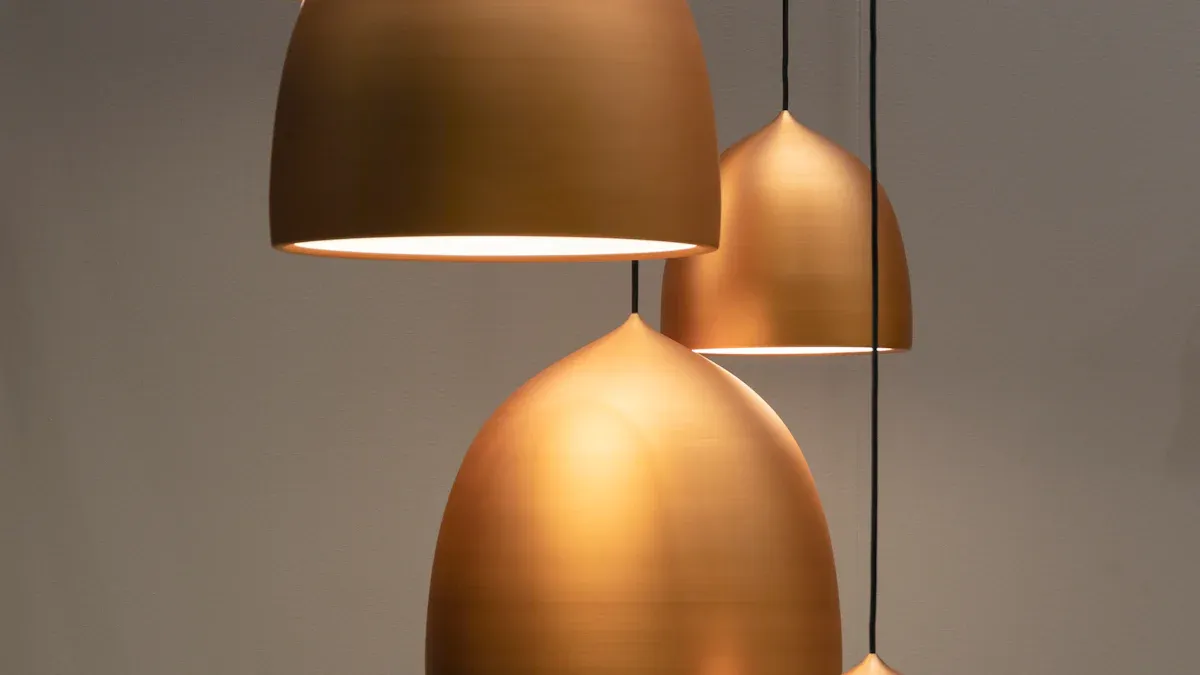
When you combine lamps and ceiling lights, matching aesthetics is key. You want your lighting to complement your overall decor style. Think about the vibe you want to create. Are you aiming for a modern look, or do you prefer something more traditional?
Matching Aesthetics
To achieve a cohesive look, consider these tips:
Identify Your Style: Determine the primary style of your space. Is it minimalist, bohemian, or industrial? This will guide your choices.
Choose Complementary Designs: Select lamps and ceiling lights that share similar design elements. For example, if you have a sleek, modern ceiling fixture, pair it with a lamp that has clean lines and a contemporary feel.
Use a Consistent Color Palette: Stick to a color scheme that ties your lighting together. This could mean using lamps and lights in similar hues or finishes.
Here’s a quick look at some popular styles currently trending in interior design:
Style Type | Description |
|---|---|
Artisan Craftsmanship | Emphasizes handmade elements and unique designs, becoming foundational in luxury interiors. |
Large-Scale Fixtures | Oversized chandeliers and elongated multi-pendant arrays are favored for visual balance in spaces. |
Warm Illumination | A shift towards amber and warm-tone LED options creates a cozy atmosphere. |
Customizable Options | Tailored fixtures reflect personal style and fit specific design visions. |
Nature-Inspired Color Palettes | Grounded tones like smoky ambers and warm sand complement artisanal lighting designs. |
Mixing Finishes
Mixing finishes can add depth and interest to your lighting design. It’s a great way to express your personality. However, there are some guidelines to follow:
Mixing metal finishes is an easy way to express yourself. There are a couple of simple rules to remember, and everything else is fair game. Determine the space’s finish palette, one main finish, and one or two finishes to highlight. When mixing finishes, focus on how the eye will flow to these features.
Here are some tips to keep in mind:
Balance is Key: Distribute different metals evenly throughout the room. This helps achieve a balanced appearance.
Consider the Background: Using a neutral background allows mixed metals to stand out without clashing.
Match the Style: Ensure that the metals match the overall style of the room to maintain visual harmony.
Marie-Joe Bouffard highlights that mixing wood tones and species can create inviting and layered spaces. By carefully selecting finishes that complement each other, you can achieve a sophisticated look that enhances the overall visual harmony of a room.
Avoid common mistakes when combining lamps and ceiling lights. Here are a few to watch out for:
Choosing the Wrong Size Light Fixture: Ensure your fixtures are proportionate to the space.
Using Only One Source of Light: Layer different types of lighting for proper illumination.
Ignoring Energy Efficient Lighting Methods: Opt for energy-efficient options like LED bulbs to save costs and enhance the lighting experience.
By thoughtfully combining lamps and ceiling lights, you can create a layered look that feels both inviting and stylish. Experiment with different styles and finishes until you find the perfect combination that reflects your taste.
Layering Light Fixtures
Creating depth in your lighting design can transform your space from ordinary to extraordinary. By layering different types of light, you can achieve a more dynamic and inviting atmosphere. Here’s how to do it effectively:
Creating Depth
To create depth, you should incorporate ambient, task, and accent lighting. Each type serves a unique purpose:
Type of Lighting | Purpose |
|---|---|
Ambient Lighting | Provides overall illumination, making the room usable and inviting. |
Task Lighting | Focused lighting for specific activities, reducing eye strain and enhancing functionality. |
Accent Lighting | Adds depth and visual interest by highlighting features like artwork or architectural details. |
For example, in your living room, you might use a chandelier for ambient light, floor lamps for task lighting, and picture lights to accentuate artwork. This combination creates a layered lighting effect that adds dimension and warmth to your space.
Balancing Brightness
Balancing brightness is crucial for a comfortable atmosphere. You want to avoid a room that feels too bright or harsh. To achieve this, layer your fixtures intentionally. Aim for a warm, flattering tone. Using dimmers can help you control brightness as the mood or function of a room changes.
Here are some benefits of balancing brightness:
Enhances the mood and functionality of every room.
Allows flexibility for every activity and time of day.
Highlights your home’s best features while reducing shadows and glare.
When selecting bulbs, consider the color temperature. For living spaces, bulbs in the 2400-3000K range create a cozy vibe. In contrast, kitchens may benefit from a brighter 2700-5000K range for clarity during cooking. By mixing these temperatures, you can create a harmonious balance throughout your home.
Incorporating layered lighting ideas not only improves functionality but also elevates your design. So, experiment with different fixtures and placements to find what works best for you!
Room Function and Lighting
When it comes to lighting, different rooms have unique needs. You want to create the right atmosphere based on how you use each space. Here’s a quick look at how lighting requirements differ across various rooms:
Room Type | Recommended Brightness (lux) |
|---|---|
Living Room | 50-150 |
Bedroom | 50-150 |
Kitchen (General) | 150 |
Kitchen (Working Areas) | 400 |
For instance, living rooms and bedrooms benefit from softer lighting, typically between 50-150 lux. This creates a cozy vibe perfect for relaxation. On the other hand, kitchens require brighter lighting, especially in work areas, where you need at least 400 lux to ensure safety and functionality.
Lighting for Spaces
Effective lighting setups require strategic planning. You should layer your light sources to create inviting atmospheres for different activities. For example, in a reading nook, combine a floor lamp with a ceiling light to enhance visibility. In dining areas, consider pendant lights above the table to create a warm, welcoming environment.
Here are some effective lighting setups for various room functions:
Reading: Use a combination of ambient and task lighting to reduce eye strain.
Dining: Pendant lights can create a focal point while providing adequate illumination.
Relaxing: Soft, warm lights help set a calming mood.
Establishing Focal Points
Focal points in your lighting design can dramatically enhance your space. To establish these points, start by identifying areas you want to highlight. Here are some tips:
Use a spotlight or pendant light to draw attention to the focal point.
Consider ambient lighting for a soft glow around the area.
Use accent lighting, like wall sconces, to add depth.
For example, picture lights over artwork can highlight details beautifully. Chandeliers can draw the eye upwards, creating an elegant atmosphere. By combining lamps and ceiling lights thoughtfully, you can create stunning focal points that elevate your home’s design.
Combining lamps and ceiling lights can truly elevate your home’s atmosphere. Here are some key takeaways to keep in mind:
Key Takeaway | Description |
|---|---|
Brightness | Evaluate lighting brightness using lumens, not wattage. |
Color Temperature | Select color temperature to match the room’s mood and function. |
Color Rendering Index (CRI) | Aim for a CRI above 90 for vibrant colors. |
Layering | Use ambient, task, and accent lighting for flexibility. |
Spacing | Properly space ceiling lights for even illumination. |
Smart Controls | Consider smart controls and dimmers for mood and energy savings. |
Feel free to experiment with different combinations in your own spaces. You might find that adjusting light levels and color temperature throughout the day creates a more dynamic environment. Remember, the right lighting can make all the difference in how you feel at home. So go ahead, play around with your lamps and ceiling lights, and discover the perfect balance that suits your style! ✨
FAQ
What is the best way to combine lamps and ceiling lights?
To combine lamps and ceiling lights effectively, layer different types of lighting. Use overhead lighting for general illumination, task lighting for specific areas, and accent lighting to highlight features.
How do I choose the right size for my light fixtures?
Select light fixtures based on the room size. For overhead lighting, ensure the fixture is proportional to the space. A larger room needs bigger fixtures for balance, while smaller rooms benefit from more compact designs.
Can I mix different styles of lamps and ceiling lights?
Absolutely! Mixing styles can add character to your space. Just ensure that the colors and finishes complement each other. This creates a cohesive look while allowing for personal expression.
How can I make my lighting more energy-efficient?
Opt for LED bulbs in your lamps and overhead lighting. They consume less energy and last longer. Additionally, consider using dimmers to adjust brightness and save energy when full illumination isn’t necessary.
What color temperature should I use for my lighting?
For a cozy atmosphere, choose warm white bulbs (2700K-3000K) for lamps and overhead lighting. Cooler temperatures (3500K-5000K) work well in workspaces like kitchens or offices for better visibility.