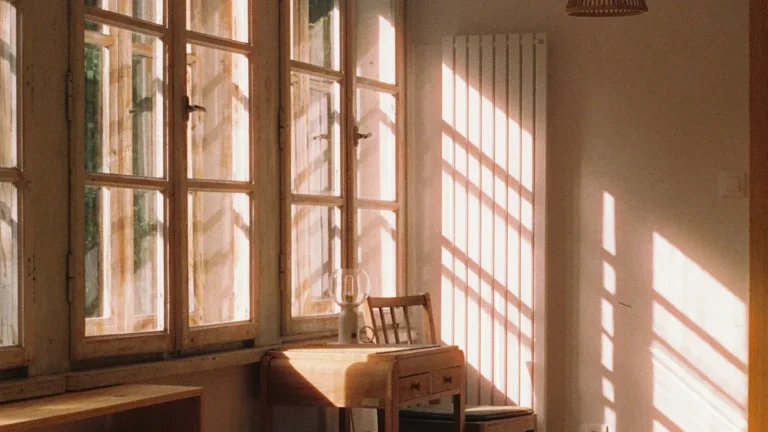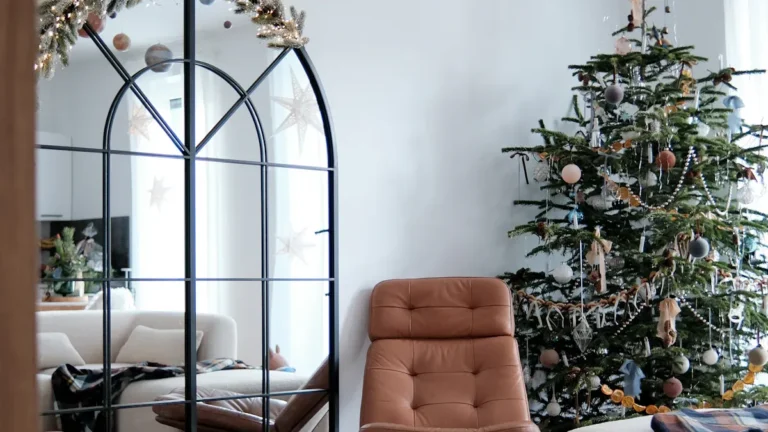
Create a calm, organized mudroom by giving each item a clear place: slim hooks for coats, low cubbies for shoes, open shelves for bags, and a wall pocket for mail. Keep the center path open with a floating bench and boot tray to simplify daily comings and goings. Soften the palette with sage, misty gray, or oat finishes for a relaxed, cohesive look. Balance storage and airiness, then add layered lighting and thoughtful details to make the entry feel welcoming and functional.
Start With a Mudroom Layout That Works
Start with the way your mudroom moves: where you enter, drop bags, kick off shoes, and grab what you need on the way out. Map the path so traffic flow stays clear, even as everyone arrives at once.
Use zone planning to give each task a place: one edge for coats, another for shoes, and a small landing spot for keys or mail. Keep the center open so you can step in without bumping into boots or backpacks.
If you have a bench, place it where you can sit, turn, and leave smoothly. As you shape the room around movement, you create a calm threshold that feels welcoming, lived-in, and shared. Your entry starts working like it knows your family’s rhythm.
Choose the Right Mudroom Storage
Once your mudroom layout is set, the next step is choosing storage that keeps the space calm and easy to use.
You can create storage zoning through giving each wall, shelf, and hook a clear purpose, so coats, bags, shoes, and mail don’t blur together. Mix open shelving for baskets and decorative touches with concealed compartments that hide gloves, leashes, and seasonal clutter. Choose wall-mounted hooks to lift items off the floor, and use labeled bins to make every family member feel considered. A bench with concealed storage adds a soft landing zone without crowding the room. Keep taller pieces slim, so movement stays easy and the entry still feels welcoming, balanced, and beautifully organized.
Add Built-Ins to Tidy the Entry
Built-ins can turn a busy entry into a customized, polished zone that works hard without looking crowded. You can shape custom built ins to fit your wall width, ceiling height, and daily rhythm, so every inch feels intentional.
Add fitted cubbies for each person, and you’ll give everyone a clear place for backpacks, shoes, and the small things that usually scatter. A bench with concealed storage softens the space while making it easy to sit, drop, and go.
Above, open shelving lets you layer baskets, framed photos, or a vase for warmth and welcome. Hooks and labeled slots keep coats and mail in sight, so your entry feels calm, personal, and ready for the people who come home there.
Use Durable Floors and Finishes
A hard-working mudroom needs surfaces that can take a beating and still look polished. You’ll want durable tile underfoot, because it shrugs off muddy boots, wet paws, and daily traffic without losing its crisp edge.
Sealed concrete gives you a smooth, grounded look, and it wipes clean fast after rain or snow. Choose finishes with subtle texture so you can move safely through the entry zone, even whenever the floor’s damp.
Protect walls near benches and hooks with wipeable paint or rugged paneling that stands up to backpacks and coat hardware. Whenever every surface feels intentional, your mudroom becomes a shared landing place that welcomes everyone in with ease, order, and a sense of home.
Pick Fresh Mudroom Colors
Fresh mudroom colors can make all that durable function feel lighter, brighter, and more inviting.
You can soften a narrow entry with warm white, oat, or misty gray, then add depth with sage, clay, or muted blue on one wall or inside cubbies. Try paint swatches in both daylight and evening light, because this room changes with every arrival and departure.
Choose finishes that feel calm, washable, and cohesive with nearby spaces, so the mudroom feels like part of your home’s rhythm. Seasonal palettes help you refresh the mood without repainting everything; swap in richer tones for fall, airy hues for spring.
Whenever your colors work with your layout, everyone feels welcomed before they step farther inside.
Add Seating for Daily Use
As you add seating to a mudroom, you give the space a practical pause point where shoes can come off, bags can land, and the day can reset. Choose bench seating that fits the wall length without crowding the walkway, so you can sit, slip off boots, and keep movement easy. A built-in bench feels calm and custom, while a hall tree adds a welcoming vertical profile that anchors the room.
Add a cushion in durable fabric for comfort, and let the base hold shoes or seasonal gear. Whenever the proportions feel balanced, the entry starts to feel like it’s made for your family’s rhythm, not just for passing through. This small gesture can make every arrival feel steadier, warmer, and more connected.
Use Walls for Hooks, Shelves, and Bins
Use the wall to free up the floor: install hooks at a comfortable reach for coats, bags, and backpacks, so daily gear lands in a clean vertical line.
Add floating shelves above to hold keys, mail, and a few handsome essentials without crowding the space.
Finish with labeled bins below or beside them, and you’ll keep everything sorted while the mudroom still feels open and polished.
Wall Hooks For Daily Gear
Wall hooks are one of the easiest ways to keep daily gear orderly without crowding the floor. You can use daily accessory hooks and vertical wall hooks to give each coat, bag, and leash a clear place, so your entry feels calm and welcoming.
| Item | Hook Spot |
|---|---|
| Coat | Shoulder height |
| Backpack | Lower row |
| Keys | Slim hook |
| Dog leash | Near the door |
| Hat | Top hook |
Choose finishes that echo your trim or hardware for a cohesive look. Leave enough spacing so sleeves don’t bunch and bags hang cleanly. Add a small bin below for gloves, and you’ll create a shared landing zone that feels thoughtful, lived-in, and easy to keep up with every day.
Floating Shelves For Essentials
Floating shelves give your mudroom a lighter, more open feel while still keeping essentials close at hand.
You can use floating shelf styling to frame a narrow wall without crowding the walkway. Place shelf decor essentials like a small dish for keys, a lantern, or a framed photo so the space feels lived in and welcoming. Keep the layout balanced: one shelf for daily grab-and-go items, another above for folded scarves or gloves. Pair the shelves with hooks below to create a vertical rhythm that feels intentional and calm. Choose wood tones or painted finishes that echo your home’s palette, then leave enough breathing room so every item has a clear place. That balance helps your entry feel organized, personal, and easy to return to.
Bins For Quick Storage
Bins make quick work of mudroom clutter because they keep small items grouped, labeled, and easy to grab on the way out. Mount them beneath hooks or tuck them on open shelves so your wall works harder without feeling crowded.
Use quick access bins for gloves, leashes, and seasonal gear, then choose labeled storage bins for hats, scarves, and mail. Whenever each bin has a clear purpose, you create a calm rhythm at the door and a sense that everyone belongs here.
Pick woven, metal, or matte containers that echo your finishes, and leave enough breathing room between them for visual balance. You’ll enjoy a tidy entry that feels warm, practical, and ready for daily comings and goings.
Organize Shoes, Coats, and Bags
You can keep shoes contained with a dedicated tray, cubby, or low bench compartment that leaves the floor clear and easy to clean. Place coat hooks at a comfortable height near the entry so jackets and bags land neatly without crowding the wall.
Give bags a defined drop zone, like an open shelf or labeled bin, so everything feels orderly and visually balanced.
Shoe Storage Solutions
For a mudroom that feels orderly and inviting, start with dedicated shoe storage so the whole space works harder. You can keep the floor calm with low shoe racks that let every pair breathe, and place boot trays beside the door to catch slush, grit, and rainwater. Should you’ve got a bench, tuck daily shoes beneath it so the seating doubles as a landing zone.
Use cubbies for each family member, and label bins so everyone knows where their pair belongs. Open shelving works well whenever you want quick access without visual clutter, while enclosed drawers hide seasonal pairs. Keep the layout tight, leaving clear walking space so the entry feels welcoming, balanced, and easy to share each day.
Coat Hook Placement
When you place coat hooks at shoulder height near the door, the mudroom starts working like a well-planned drop zone. You give every family member a clear landing spot, and the room feels calm instead of crowded. Keep hook height easy to reach for adults and older kids, but high enough to lift coats off the floor.
Use coat spacing that leaves room for sleeves, hems, and quick grabs, so nothing tangles as you’re rushing out. A neat row of wall-mounted hooks also preserves walking space and lets the entry feel open and welcoming. Pair them with a simple shelf above if you want a polished look, and choose finishes that echo your home’s style. That way, your entry feels organized, lived-in, and genuinely shared.
Bag Drop Zones
A well-planned bag drop zone takes the pressure off your mudroom through giving shoes, coats, and bags their own clear landing spots.
You can pair a slim bench with cubbies beneath it, then add wall-mounted hooks above for coats and backpacks.
These bag landing zones work best whenever each person gets a labeled bin or basket, so everyone knows where to tuck daily gear.
Place backpack drop spots near the door, with a shelf overhead for gloves, hats, and lunch kits.
Keep a boot tray below to catch wet soles and protect the floor.
Whenever you use warm wood, clean lines, and coordinated hardware, the space feels welcoming, calm, and intentionally shared.
Choose Lighting That Feels Inviting
Choose lighting that softens the mudroom and makes it feel like part of your home, not just a pass-through.
A pendant glow above the bench can define the center of the room, while sconce warmth along the walls keeps corners calm and welcoming. You’ll want fixtures that cast even light across hooks, cubbies, and the floor, so the space feels open, not harsh.
Choose shades, metals, or glass that echo your home’s style and create a gentle shift from outdoors to in. Should the ceiling be low, use slim profiles that don’t crowd the sightline. Dimmers help you shift from bright morning function to a softer evening welcome, giving every arrival a sense of ease and belonging.
Add Cozy Decor Without Clutter
Soft textures can warm a mudroom without crowding the space, so keep décor intentional and easy to maintain. You can layer cozy textiles like a slim runner, a woven bench cushion, or a small throw folded neatly in a basket.
Choose decorative accents that feel personal, such as a framed print, a ceramic vase, or a simple hook rack with a soft finish. Limit each surface to one or two pieces so the room still feels open and calm.
Natural materials, muted tones, and tactile details create welcome without visual noise. Whenever you edit with care, you make the entry feel lived-in, polished, and ready to greet everyone with ease.
Keep a Small Mudroom Open
Whenever every inch counts, keep the layout light and purposeful so your mudroom still feels easy to move through. You’ll preserve open sightlines through choosing slim pieces and spacing them with intention, letting the room breathe. Favor airy transitions between the door, bench, and wall so each step feels natural and welcoming. A floating bench, wall hooks, and one narrow shelf can define the zone without crowding it.
| Choice | Effect |
|---|---|
| Floating bench | Frees floor space |
| Wall hooks | Keeps walls active |
| Narrow shelf | Adds height |
| Light palette | Softens visual weight |
| Clear paths | Improves flow |
As soon as you keep surfaces visually quiet, you create a small entry that still feels like it belongs to everyone who comes home.
Maintain an Organized Mudroom Look
To keep a mudroom looking orderly, give every item a clear home and let the storage read as part of the decor.
You can use built-in lockers, labeled baskets, and wall-mounted hooks to create visual order without sacrificing warmth.
Place a bench with concealed compartments under a shelf for bags, shoes, and gloves, so the room feels grounded and easy to move through.
Keep a boot tray and umbrella stand near the door to catch wet items, then use overhead cabinets for overflow.
Whenever you repeat finishes, basket textures, and hardware tones, you strengthen decor balance and make the space feel welcoming.
A simple command center with mail bins and notes also helps you belong to the rhythm of the home, not just the clutter.